
Have you ever felt like you just missed the perfect trade? Crypto algo trading could change that. It works like a well-tuned engine, making trades at breakneck speed without any second guessing.
The idea is pretty simple, set up a few basic rules and let a computer handle orders in real time. This way, you can catch those key moments for profit. In this blog, we look at how using automated trading patterns can boost your efficiency and lower your risks, keeping your strategy sharp and steady.
Crypto Algo Trading: Boost Trade Success Fast
Crypto algo trading uses computer programs to automatically place orders based on set rules. In other words, the system looks for market signals and then makes trades for you, just like following a recipe. For instance, it might trigger a buy signal when a trend line is crossed, similar to when your coffee maker starts brewing once the room hits a set temperature. These preset rules help take out the guesswork so you can follow your strategy without straying off course.
Speed is a major perk of using automated crypto trading platforms. They use math models and real-time data to trade faster than any human can. This means trading happens all day and night, so you don’t miss out on chances even when you’re asleep. Plus, trading is done without the delays that come from emotions, much like having a nonstop assistant keeping an eye on the market every minute.
Making a profit with crypto algo trading depends on several factors like the strength of your strategy, data accuracy, trading costs, and how wild the market swings are. A well-designed algorithm can grab tiny profit chances that add up over time. Still, even the best setup has to deal with sudden fee changes or surprising market shifts. In short, these systems offer a steady way to take advantage of opportunities while reducing mistakes from human emotions.
Crypto Algo Trading Setup and Requirements

Getting started with crypto algo trading means having the right tools. You need solid hardware and a fast internet connection to keep your trading software running smoothly. Think of it like having a race car engine that needs to stay powerful and responsive. If your system lags even a little, your trades might suffer. For example, using a dedicated VPS is like tuning up a race car engine so your orders hit the market at lightning speed.
On the software side, you want a platform that keeps your data safe while giving you all the tools to improve your strategy. Look for features like encryption and two-factor authentication (2FA), which adds an extra layer of security, and handy backtesting tools so you can fine-tune your approach. Direct access to exchange APIs is key because it lets you send orders quickly and pull in live market data. Whether you’re using a ready-made bot or coding your own setup, there are options that suit both beginners and seasoned traders, making the move to automated trading smoother and more effective.
Designing and Backtesting Crypto Algo Trading Strategies

When you’re starting out, building a strong crypto trading plan comes down to knowing exactly when to get in and get out. Think about using tools like moving averages, RSI (which helps measure if a coin is overbought or oversold), or Bollinger Bands to guide your decisions. For example, you might say, "I’ll buy when a short-term moving average crosses above a long-term one." This simple rule turns market signals into friendly, clear steps you can follow.
Once you have your plan, the next step is to test it out using historical data, a method known as backtesting. This stage lets you see how your plan might have worked in the past using record data and simulated real-time trading. It’s like trying out a recipe before dinner to see if it tastes right. You have to pick the right timeframe, double-check that your data is solid, and even factor in things like transaction fees. Picture a test run that shows a 10% gain but also reveals high trading costs that eat into your profits; these insights help you tweak your strategy so it stays real and effective.
Finally, keep refining your trading rules bit by bit without making them too tailored to past data. This step, called iterative parameter optimization, is about finding the best mix of rules that works across different market moods. You might notice that, after some tweaks, the number of false signals drops, boosting your overall success. In short, this careful work ensures your digital asset strategy stays strong, ready to adapt to whatever twist and turns the crypto market throws your way.
Comparing Crypto Algo Trading Platforms

When you're checking out crypto algo trading platforms, it helps to compare a few key features like liquidity, API speed (the tool that lets different software talk to each other), available bot choices, and fee structures. Each platform brings something unique to the table. Some offer deep pools of liquidity and quick API responses, while others focus on simple, friendly bot interfaces that make trading a breeze.
For instance, you might go for a platform with strong API performance to catch a chance at crypto arbitrage. At times, you might prefer advanced security or a variety of ready-to-use trading bots. The table below gives you a quick look at what each platform offers:
| Platform | Liquidity | API Features | Built-In Bots | Fees |
|---|---|---|---|---|
| Binance | Deep | Robust | Standard | Competitive |
| Kraken | Moderate | Secure | Limited | Higher |
| KuCoin | Moderate-to-high | Advanced | Customizable | Competitive |
| Pionex | Moderate | Integrated | 16 free bots | Low |
| 3Commas | Varies per exchange | Multi-exchange | Pre-built templates | Varied |
| OKX/SpeedBot | Deep | Customizable | Multiple | Low |
Platforms that shine with strong API performance and varied bot choices give you the freedom to tailor your trading approach. Some traders might lean toward Binance because of its massive trading volume, while others find Pionex's ready-to-use bots ideal, whether you're a beginner or a seasoned pro. And if low-latency execution is important to you, OKX with SpeedBot could be just what you need.
At the end of the day, choose the platform that fits your trading style and comfort with risk. It’s all about balancing automation, security, and overall cost to create a setup that feels right for you.
Implementing Crypto Algo Trading with Python Code
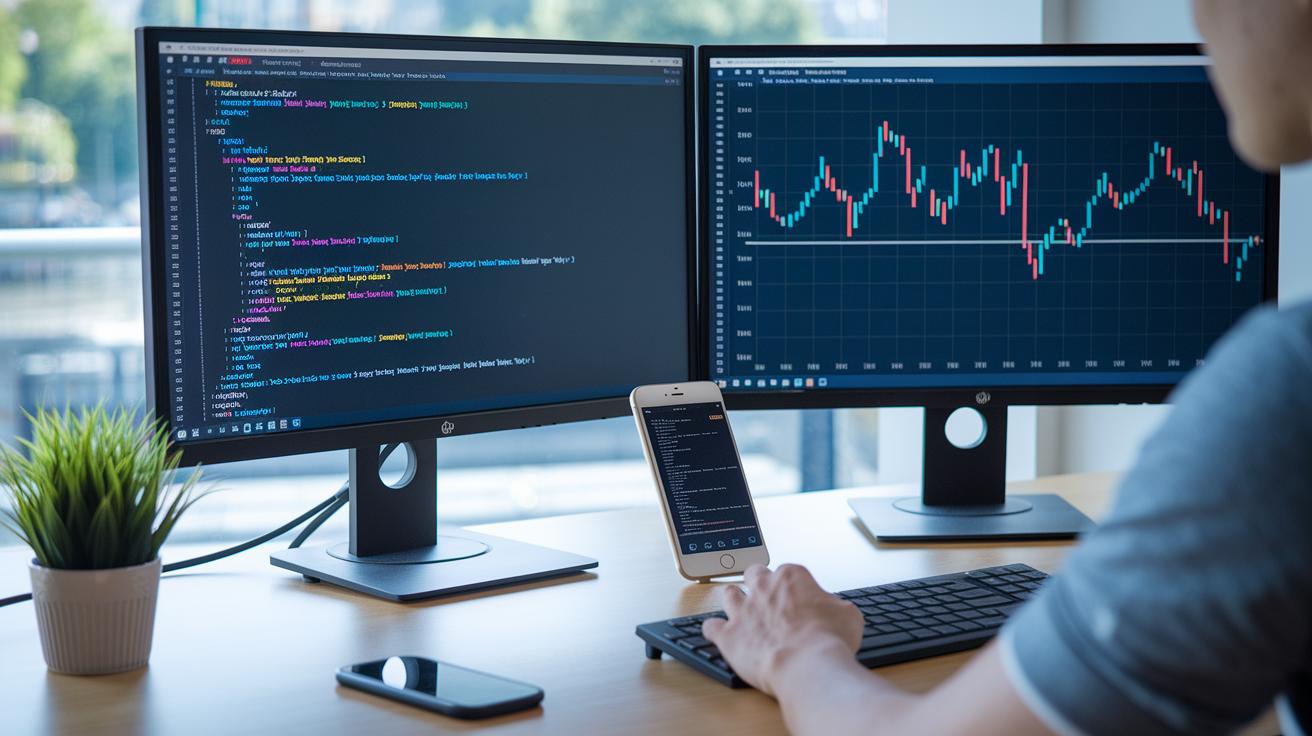
Here’s a simple Python script that shows you how to set up crypto algo trading using a few handy libraries. We use CCXT to connect to an exchange (it handles the API details), Pandas to work with data, and TA-Lib to calculate technical indicators like the RSI. This example guides you through fetching data, checking signals, placing orders, and handling any errors that pop up.
import ccxt
import pandas as pd
import talib
import time
import logging

# Set up logging so you can see info messages in your console
logging.basicConfig(level=logging.INFO)

# Connect to the Binance exchange using your API details.
exchange = ccxt.binance({
    'apiKey': 'YOUR_API_KEY',
    'secret': 'YOUR_SECRET',
    'enableRateLimit': True
})

def fetch_data(symbol, timeframe='1h', limit=100):
    # Get recent market data (OHLCV) from the exchange.
    ohlcv = exchange.fetch_ohlcv(symbol, timeframe=timeframe, limit=limit)
    # Create a DataFrame using clear column names.
    df = pd.DataFrame(ohlcv, columns=['timestamp', 'open', 'high', 'low', 'close', 'volume'])
    # Convert the timestamp to a readable datetime format.
    df['timestamp'] = pd.to_datetime(df['timestamp'], unit='ms')
    return df

def calculate_indicator(df):
    # Compute the RSI (Relative Strength Index) using closing prices.
    df['RSI'] = talib.RSI(df['close'], timeperiod=14)
    return df

def execute_trade(signal, symbol, amount):
    try:
        # If the signal says 'buy', place a market buy order.
        if signal == 'buy':
            order = exchange.create_market_buy_order(symbol, amount)
        # If the signal says 'sell', place a market sell order.
        elif signal == 'sell':
            order = exchange.create_market_sell_order(symbol, amount)
        logging.info(f"Order executed: {order}")
    except Exception as e:
        logging.error(f"Trade execution error: {e}")

# Main loop that keeps checking market data and trading based on RSI.
while True:
    data = fetch_data('BTC/USDT')
    data = calculate_indicator(data)
    # Generate a simple trading signal:
    # Buy when RSI is below 30, and sell when RSI is above 70.
    last_rsi = data['RSI'].iloc[-1]
    if last_rsi < 30:
        execute_trade('buy', 'BTC/USDT', 0.001)
    elif last_rsi > 70:
        execute_trade('sell', 'BTC/USDT', 0.001)
    # Wait a minute before checking again.
    time.sleep(60)
This script not only sets up the connection and gets market data, but it also shows a straightforward method for generating trading signals based on RSI. The try-except block helps catch any problems when placing orders, ensuring your trading loop remains steady even when things go a bit sideways. Isn't it cool how a few lines of Python can create a self-operating trading setup?
Advanced Crypto Algo Trading Techniques

When you dive into high-frequency trading, you need setups that are incredibly fast. Your system must handle delays that are measured in tiny micro-seconds. Placing your server right beside the exchange is like having your race car lined up at the starting line. Your orders can zoom off in a flash, much like a sports car racing past blinking traffic lights. Whether you use co-location or direct market access, these setups give your trading algorithms a real advantage.
Building a solid arbitrage model is all about spotting small price gaps across different platforms. You use simple mean-reversion models to catch tiny differences in coin prices between exchanges. Imagine it like noticing a small sale before the offer disappears. With a smart digital arbitrage strategy, all those little trades can quickly add up.
AI-driven coin management takes trading to the next level by using machine learning to spot subtle market trends. These adaptive systems adjust right away when market conditions change. Think of a trailing-stop DCA bot that keeps recalculating its targets, or a volatility-breakout scalper that tweaks its settings every minute. Each example shows how AI turns raw data into smart, automated decisions.
Risk Management and Security in Crypto Algo Trading

When you're using automated crypto trading, keeping an eye on risk and having strong security is a must. These systems run 24/7, and sudden market moves or glitches can hit any time. So, it's smart to set up several safeguards that avoid a single weak spot and keep unwanted access out.
- Spread your funds across different bots and exchanges so that one slip-up doesn't threaten your whole portfolio.
- Use stop-loss orders and circuit breaker setups to protect against a quick market drop.
- Keep your API keys safe with regular checks, two-factor authentication, and encrypted storage to fend off hacks.
- Let your system automatically rebalance your portfolio so it stays aligned with your goals, even when the market is wild.
A key part of this plan is to regularly monitor your trading system. By checking that every safeguard works as it should, you can catch and fix any weak links early. Plus, periodic reviews of your strategy help spot new risks, so you can adjust on the fly. This way, you not only keep your setup secure but also let it work smoothly while you look for the next big opportunity.
Final Words
In the action, we’ve seen how crypto algo trading can improve decision-making with its automated, data-driven approach. The post broke down basic strategies, technical setups, and ways to boost performance with smart coding. It also highlighted how risk management and platform choice play key roles.
This post helps you stitch together technical know-how with practical insights for a more vibrant digital investment mix. Keep exploring, stay curious, and let crypto algo trading guide your next smart move.
FAQ
What is the best crypto algo trading platform?
The best crypto algo trading platform is one that fits your needs by offering strong API integration, built-in bots, and competitive fees, which helps manage automated trades effectively.
What exactly is a crypto algo trading bot?
The crypto algo trading bot is software designed to execute trades automatically based on set rules and indicators, letting you trade without letting emotions influence your decisions.
What does a crypto algo trading strategy entail?
The crypto algo trading strategy entails defining clear entry and exit points using technical indicators and historical data, which helps manage risk and improve trade execution.
What do people share on crypto algo trading Reddit?
The crypto algo trading Reddit community shares user experiences, practical tips, and strategy improvements, offering a friendly space to learn and exchange ideas on automated trading.
What crypto algo trading courses, including Udemy, are available?
The crypto algo trading courses available, such as those on Udemy, teach you how to design, test, and deploy automated strategies with hands-on coding examples and practical market insights.
Can I find crypto algo-trading projects on GitHub?
The crypto algo-trading projects on GitHub offer ready-made code examples and community-contributed strategies that can help you customize your bot and understand automated trading methods.
How can you perform cryptocurrency algorithmic trading with Python and Binance?
The cryptocurrency algorithmic trading with Python and Binance works by using libraries like CCXT and Pandas to fetch live data, compute indicators, and send orders automatically via Binance’s API.
Do crypto trading algorithms work?
The crypto trading algorithms work by following strict, computed rules to react faster than human traders, although their success depends on the quality of your strategy and the conditions of the market.
Can you make $100 a day with crypto trading algorithms?
The potential to earn $100 a day with crypto trading algorithms exists, but it varies depending on market conditions, strategy effectiveness, and proper risk management in your trades.
What is the best algorithm for crypto trading?
The best algorithm for crypto trading depends on your risk profile and market conditions; it often blends key technical indicators with backtested insights to support informed trading decisions.
How much can you earn day trading crypto with $1000?
The earnings from day trading crypto with $1000 can vary widely, as they depend on your strategy, risk management, and the market’s volatility, meaning results differ from trader to trader.