
Ever wondered why some NFTs climb to such high values? Often, it's all about a few key factors working together. Think of it like a rare trading card, when there's a limited supply, everyone wants a piece. And if the creator is well-known, it instantly grabs your attention.
Sometimes, extra perks add that special touch, making an NFT even more appealing. And when there's a buzz on social media, prices tend to soar as more people jump on board. In short, we'll explore five main factors that shape the value of NFTs and explain why these elements make digital art investment so exciting.
5 factors influencing nft market prices: Bright Outlook

NFT prices are set by a blend of important factors that work together to decide value. First off, supply and demand matter a lot. When only a few of an NFT are made, its rarity makes people want it more. It’s like having a rare trading card that only a few people own.
Another key element is the reputation of the creator. When a popular artist makes an NFT, it gains extra value right away. For example, if an artist is known for starting trends, their new NFT is likely to catch collectors' eyes quickly. This is also linked to current cultural trends, tokens that match what’s popular right now are often in high demand.
Next, the usefulness of an NFT plays a big role. NFTs that offer special perks, like access to unique experiences or exclusive content, attract buyers who want more than just a digital image. Think of it like owning a special pass that gets you into a members-only club. That extra benefit makes the NFT more appealing.
Collector mood and social buzz can also push prices higher. When people chat on social media and share their excitement, it can spark sudden interest and drive up demand.
In short, a mix of limited supply, rarity, the artist’s reputation, practical benefits, and social buzz all work together to create the lively NFT market we see today.
Supply Constraints and Scarcity Influencing NFT Price Volatility

Limited editions and small minting batches make NFTs rare and heighten their appeal. When only a few tokens are available, buyers compete more, driving prices higher. Picture a digital artwork drop that only offers 50 tokens, the rarity sparks more interest and bidding.
Scheduled drops and release cycles add their own twist to market behavior. Developers set specific dates for minting, and these events can stir up a flurry of excitement that then eases off until the next cycle. This pattern mirrors how market moods shift over time.
Scarcity indicators, like total editions, burn rates, and how many pieces show up in resale markets, often hint at future price moves. Investors keep a close eye on these numbers to decide just how rare an NFT really is, and that sense of rarity can push market trends in new directions.
Controlled minting and planned release cycles clearly shape NFT price swings. This regular rhythm helps buyers and investors predict market changes. Think about a drop where every token is snapped up quickly; it’s a perfect display of how a tight supply paired with planned releases can boost market value.
Demand, Community Engagement, and Hype Driving NFT Market Prices

NFT prices can really jump when collectors show strong interest and actively chat in community groups. Buzz on social media and the popularity of trending tokens make people race to grab NFTs. For example, picture a project being mentioned on Twitter and in Discord groups, all the chatter can quickly lift prices.
Community interactions pack a punch. Posts on sites like Discord and Twitter, plus shout-outs from well-known voices, create waves of excitement. When influencers praise a collection, their followers jump right in. This buzz acts like a spark that lights up wide interest. You might even hear someone say, "A sudden surge in Twitter mentions caused NFT prices to jump 40% one morning!"
Speculation also plays its part. When collectors worry about missing out, they dive in fast, sending prices soaring in no time. Prices can swing quickly as excitement builds and then fades, sometimes leading to sharp corrections. Meanwhile, real-time signals like on-chain activity, who owns the tokens, and how often NFTs change hands help guide investors' decisions.
All these factors, active interest, online chatter, and quick speculation, work together to shape NFT market prices. They create an environment where both buyers and sellers react to the community’s vibrant energy.
Rarity, Provenance, and Creator Impact on NFT Market Prices
When you look at an NFT's background, details like mint records and ownership trails act as clear proof of its past. This full history gives buyers peace of mind because it shows that the token was created securely and that each change in ownership was verified through solid smart-contract data.
This on-chain record reduces risk and helps keep values steady by linking the NFT's history with its limited supply.
- Picture this: you check an NFT ledger where every mint and transfer is carefully noted. That detailed trail builds real confidence in the token’s worth.
Utility, Functionality, and Technological Innovations Shaping NFT Market Prices
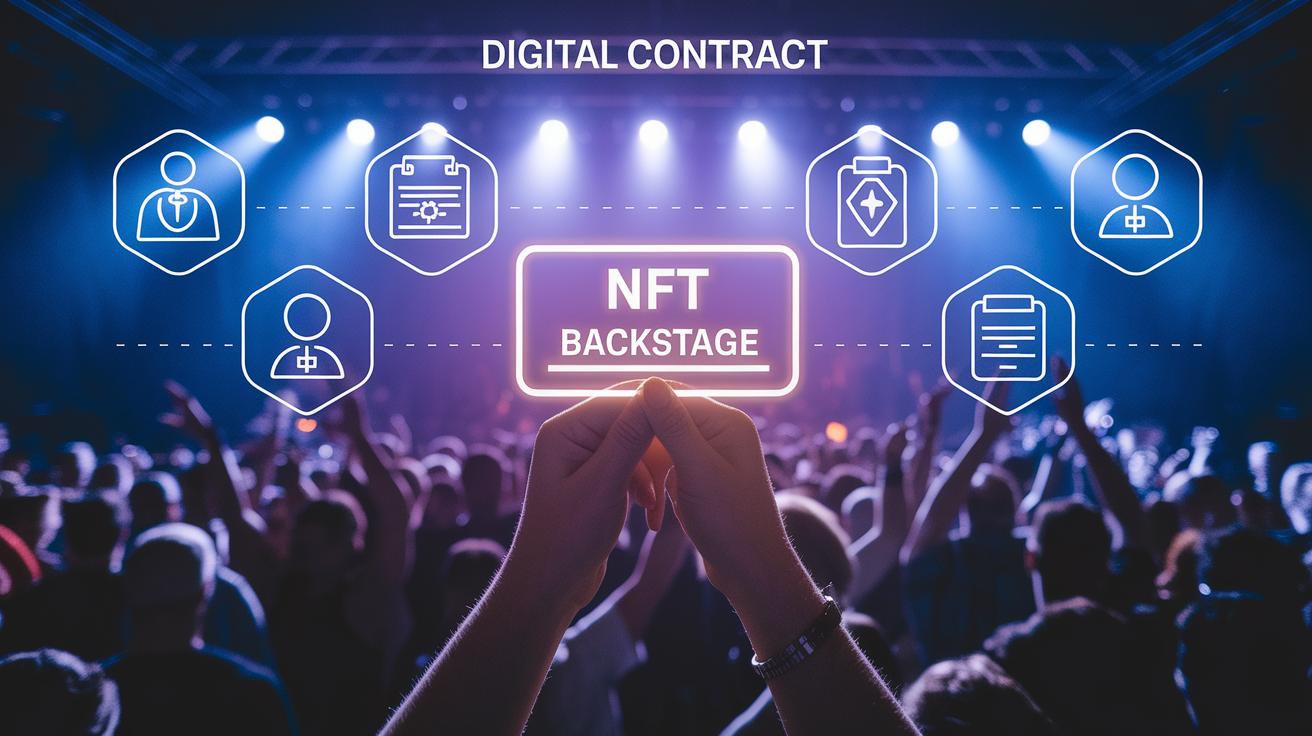
NFTs aren’t just about cool digital art anymore. They now pack real-world perks that catch the eye of serious buyers. Think of them like a backstage pass, you might get access to special events or exclusive content much like getting VIP treatment at your favorite concert. Imagine holding a token that lets you skip the line at a live show!
Smart contracts are making these tokens even more attractive. These are self-running agreements that handle things like royalty payments automatically. They even support group decisions and connect different blockchain networks to secure and brighten up each transaction. When payments for resales are managed without any hassle, both artists and buyers feel a lot more confident.
Technology is fueling even broader appeal. With standard rules in place, NFTs can now work across multiple platforms, making them easier to trade and enjoy. New twists like tokens that change based on real-time events or ones that work with virtual or augmented reality add a fun, interactive layer. Imagine an artwork that morphs with the news of the day, wow, that sure beats a static image!
Integration with other online systems takes NFTs to a whole new level. When these tokens link up with popular communities or decentralized finance setups, they become more than just art; they offer practical features that keep users engaged. This mix of artistic flair with smart utility not only spices up the user experience but also helps prices climb as more investors look for tokens that do double duty.
In short, these innovations turn NFTs into true multi-use assets. They combine art, technology, and community perks, steadily driving up market prices and proving that today’s digital collectibles are here to stay.
Regulatory Shifts and External Events Affecting NFT Market Prices

Changes in tax rules and updates to securities laws can quickly shake up NFT prices because investors need to factor in new costs. When a government tweaks tax laws, traders often re-calculate NFT values in the same quick way you adjust your speed at a changing traffic light.
Big downturns in the crypto world, economic shocks, or even high-profile hacks can also jolt NFT markets. For example, there was a time when a major hack made prices drop fast, and even careful investors backed off a bit. Moments like these make the market feel riskier, and many people take a closer look at their portfolios.
Clear and steady legal rules can give buyers confidence and might even push prices up by attracting big institutional investors who prefer lower risks. On the flip side, confusing or strict rules can slow down market activity. It’s important for investors to weigh tax effects, like choosing between buying with cash or swapping one crypto for another, and to keep their digital wallets secure, which helps lower potential losses.
- Imagine traders using digital finance risk management tools to check how sensitive the market is to these changes.
- Picture an investor reviewing new compliance fees and shifting strategies to match updated tax laws.
By keeping a close eye on these legal updates and external events, market players can better adjust their expectations and manage risk in a fast-changing NFT market.
Platform Mechanics, Liquidity, and Transaction Dynamics in NFT Market Prices

When you visit an NFT marketplace, a place where unique digital assets are bought and sold, the way the platform works can really change what you pay in the end. Auction styles, like English, Dutch, or reserve auctions, set the tone by raising the price in small, steady steps that encourage buyers to make quick decisions. Think of it like a small push that steadily drives the price higher.
The fees charged by the platform also play a big role. When fees and royalty splits are built into the sale, they affect what the creator actually earns and can even influence what buyers are willing to pay. For example, if a sale automatically factors in a creator royalty, it might make a piece feel less attractive to a buyer.
Then, there’s market liquidity, which is about how smoothly items can be resold. Active marketplaces with plenty of buyers and sellers help keep prices steady. This means you can usually buy or sell an NFT quickly, even when the market feels a bit up and down.
Finally, how fast transactions occur and changes in gas fees, fees paid for processing transactions, can shift the overall vibe of the market. Quick transactions and lower fees tend to boost trading activity. Imagine a time when gas fees are low and trades happen rapidly; this can spark extra buyer interest and help set prices in real time.
Metrics, Analysis Tools, and Predictors for NFT Market Prices
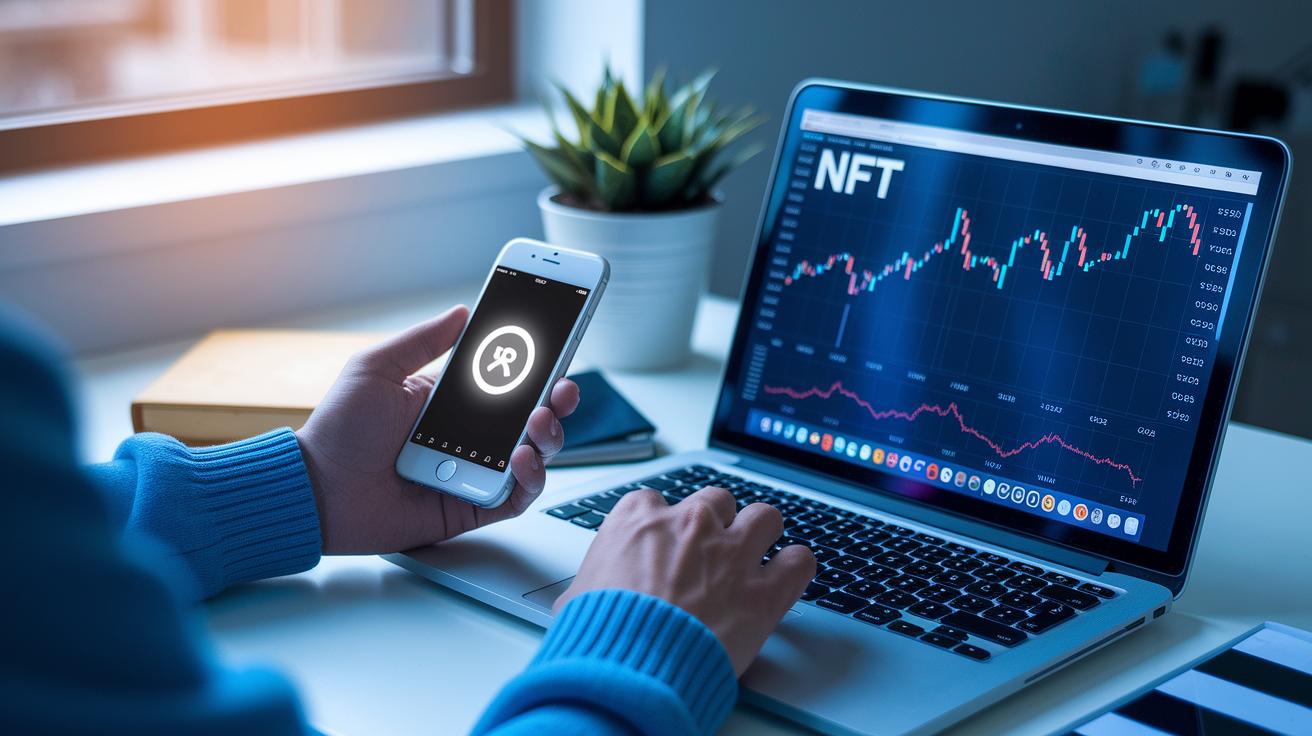
Understanding NFT price moves starts with solid data. Sales volume, floor-price history, unique holder counts, and average transaction size all give you a clear picture of market activity. For example, checking the average transaction size might show you that many small trades are happening – meaning lots of people are joining in.
On-chain analysis tools keep track of things like how long holders keep their tokens and what big investors (or "whales") are doing. Imagine looking at a digital ledger and spotting a spike in whale transactions – it’s a bit like noticing a sudden rush of shoppers in your local market. This kind of early sign can help you catch trends before they hit the mainstream.
Investors also use tools like volatility indexes and trend-analysis charts to see short-term price swings and market cycles. Think about a tool that flags a rapid drop in floor prices; it could be hinting at an upcoming upswing. It’s similar to checking a temperature gauge to know if you should grab an extra sweater. And if you want to dive deeper, crypto technical analysis resources can offer even more insights.
Adoption metrics, such as a rise in new wallet addresses and smoother protocol integrations, also influence how buyers feel about tokens over time. When more users come in and systems link together seamlessly, it can signal that the digital asset is gaining real-world value.
| Metric | Why It Matters |
|---|---|
| Sales Volume & Floor-Price History | They show how fast the market is moving |
| On-Chain Holder Data & Whale Activity | They give early hints about big changes |
| Volatility Indexes & Trend Tools | They help predict short-term cycles |
| Adoption Metrics | They point to long-term growth potential |
Watching these data points closely can help you spot patterns and make more informed guesses about where NFT prices are headed. Have you ever noticed how small shifts in data can lead to big changes in the market? It's all about staying tuned to the details.
Final Words
In the action, we explored factors influencing nft market prices by examining supply, scarcity, and rarity alongside creator reputation and practical benefits that drive demand. We touched on how scheduled drops, community buzz, and tech trends shape pricing and how changes in regulations and platform fees impact market shifts. We also highlighted data tools and indicators that help guide smart moves. Each element combines to paint a clear picture of a dynamic market filled with potential. Stay engaged and keep making informed moves!
FAQ
What factors influence NFT market prices (including trends from 2021, 2022, and available PDFs)?
NFT market prices are shaped by limited supply, rarity, creator reputation, practical utility, and collector interest, with reports often summarizing these core drivers.
What determines the price of NFTs?
NFT prices stem from a mix of supply and demand, unique digital traits, the fame of the creator, added functionality, and social buzz among collectors.
Do NFT prices fluctuate?
NFT prices change as a result of varying demand, scheduled releases, market sentiment, and shifts in regulation or external market events.
What gives NFTs their value?
NFTs are valued based on their unique attributes, documented authenticity, the reputation of the artist, and any practical uses or exclusive features they offer.
Why do some NFTs sell for so much?
High-selling NFTs typically feature scarce attributes, come from well-known creators, offer special utility, and carry cultural significance that drives strong buyer interest.
What is the NFT coin price prediction for 2030?
Predicting NFT coin prices for 2030 is uncertain, as future values depend on technological advances, widespread adoption, and changes in market regulations.
What is a Treasure NFT?
A Treasure NFT refers to a unique digital asset that often includes special benefits or access features, making it a highly sought-after collectible.