
Ever wonder why some NFTs sell for top dollar while others just can’t seem to get moving? It might seem confusing to figure out how digital assets get their worth. We break it down into two simple ideas: one method looks at future earnings like royalties, and the other checks out current sales. Together, these methods give you a clear snapshot of market trends and help you make smarter choices. In this article, we share the secrets behind NFT valuation so you can boost your investment strategy and take on the digital market with confidence.
Comprehensive NFT Valuation Methods Overview

Investors usually rely on two main ideas to figure out how much an NFT is worth. One way is called the Discounted Cash Flow method. This method looks at the future earnings an NFT might bring in, like periodic royalty payments or licensing fees, and then brings those future amounts back to today's value. Basically, if you know an NFT pays out regular royalties, you estimate its future cash flow and then apply a discount rate that takes into account market jitters and blockchain risks. It’s a neat, data-heavy approach that works best when you can expect steady income.
The other idea is the Market Approach. This method figures out an NFT’s value based on actual sales data. It checks out things like the floor price, the average sale, and even sales weighted by volume, to see what buyers are really paying right now. Think of it as looking at the latest sales in a collection to set a fair, realistic price for an NFT.
There are, however, a few hurdles with NFT valuation.
- Each NFT is one-of-a-kind, which can make fair comparisons tough.
- The market can be wild, so past sales might not always guide you well.
- Sometimes, data isn’t reliable, for example, if a small collection’s floor prices get manipulated.
- And with the market changing so fast, pinning down an exact price becomes a moving target.
Next up, we’ll take a closer look at each framework to help you get a better feel for digital asset pricing and equip you with smart insights for your investment journey.
Discounted Cash Flow Method in NFT Valuation
This method takes a close look at the future cash an NFT might bring in from royalties or licensing fees and then brings those amounts down to today's value. It's best suited for NFTs that have clear rights to income. In simple terms, it’s a step-by-step process that uses real numbers to give you a clearer picture of what a digital masterpiece might be worth today.
The approach works like this: first, you figure out the NFT-related revenue streams. Next, you estimate the cash coming in each year. Then, you pick a discount rate that fits the market risks and blockchain quirks. After that, you work out the present value of each future cash flow. Finally, you make adjustments for any uncertainty. Each of these steps helps weigh future payments in today’s dollars, so you get a realistic idea of the NFT’s value.
While this method gives a pretty systematic view, it’s not without its challenges. The accuracy of the valuation depends a lot on your assumptions. If your guesses about revenue or risk aren’t spot on, the final number might miss the mark. It works great when earnings are steady and predictable, but it can struggle with irregular or unpredictable cash flows. Still, many investors use it because it offers a clear, data-driven way to compare NFTs and gauge their future potential.
Market Approach and Comparative NFT Pricing Methods
The Market Approach measures NFT value using real sales data. It looks at things like the lowest asking price (floor price), average sale values, and a volume-weighted average that gives more importance to trades with lots of sales. It even adjusts for special traits that might make an NFT more unique. To get a true picture, you check recent sales from the same collection and factor in overall market trends and changes in cryptocurrency prices. Sometimes a floor price in a small collection might be set low on purpose or by chance, which could give you a misleading idea of the NFT’s real value.
When you dig into sale data from an NFT marketplace, it helps to look beyond just the basic numbers. Instead of only relying on the average sale price, think about the number and frequency of trades. A volume-weighted average can reveal where active buyers are putting their money. And when you see that NFTs with rare traits often sell for more, it all fits together like pieces of a puzzle that show the NFT’s true worth.
| Metric | Description | Best Use |
|---|---|---|
| Floor Price | The cheapest price at which an NFT is available, acting as a basic value marker. | Setting entry-level pricing and understanding market sentiment. |
| Average Sale Price | The simple average of recent NFT sale prices. | Getting a quick look at overall demand and trade value. |
| Volume-Weighted Price | An average that gives more weight to sales with higher volume. | Spotting where the most active trading is happening. |
| Rarity-Adjusted Price | Prices that take into account the NFT’s unique traits and scarcity. | Understanding why especially rare NFTs might command a higher price. |
Adjusting these metrics to match broader market trends and shifts in cryptocurrency gives you smart insight into digital asset pricing. This all-in view lets you compare similar pieces and see what's really driving market changes, helping you make smarter investment choices.
Algorithmic Price Discovery and Automated Valuation Models for NFTs
Today’s NFT platforms bring together blockchain, wallet, and exchange data with business systems to make compliance, accounting, and valuation much easier. They use smart price algorithms that mix different data sources to offer estimates in real time. Machine-learning models check out things like trading volume, the rarity of certain traits, and past price patterns to figure out what an NFT is worth on the market right now. In short, they use statistical market modeling to fine-tune their guesses, giving insights that are tough to match with manual work.
These systems often blend predictive market algorithms with extra analytics to deliver almost instant feedback. This means investors enjoy quick and precise valuations, something older methods just can’t provide. For example, when data from an NFT marketplace is fed into these models, you get a clear picture of both the rapid changes and the long-term trends happening in the market.
On the upside, automated valuation systems cut down on the time and effort needed for manual data collection, making the whole process smoother. They also integrate nicely with current ERP and reporting tools, which is a big win for managing larger portfolios. But remember, these models depend a lot on good, clear data. If the data isn’t accurate or if the assumptions behind the model aren’t clear, the estimates might be off. So, it’s smart to always weigh the benefits against the system’s limitations.
On-Chain Metrics and Rarity Scoring Methods in NFT Valuation
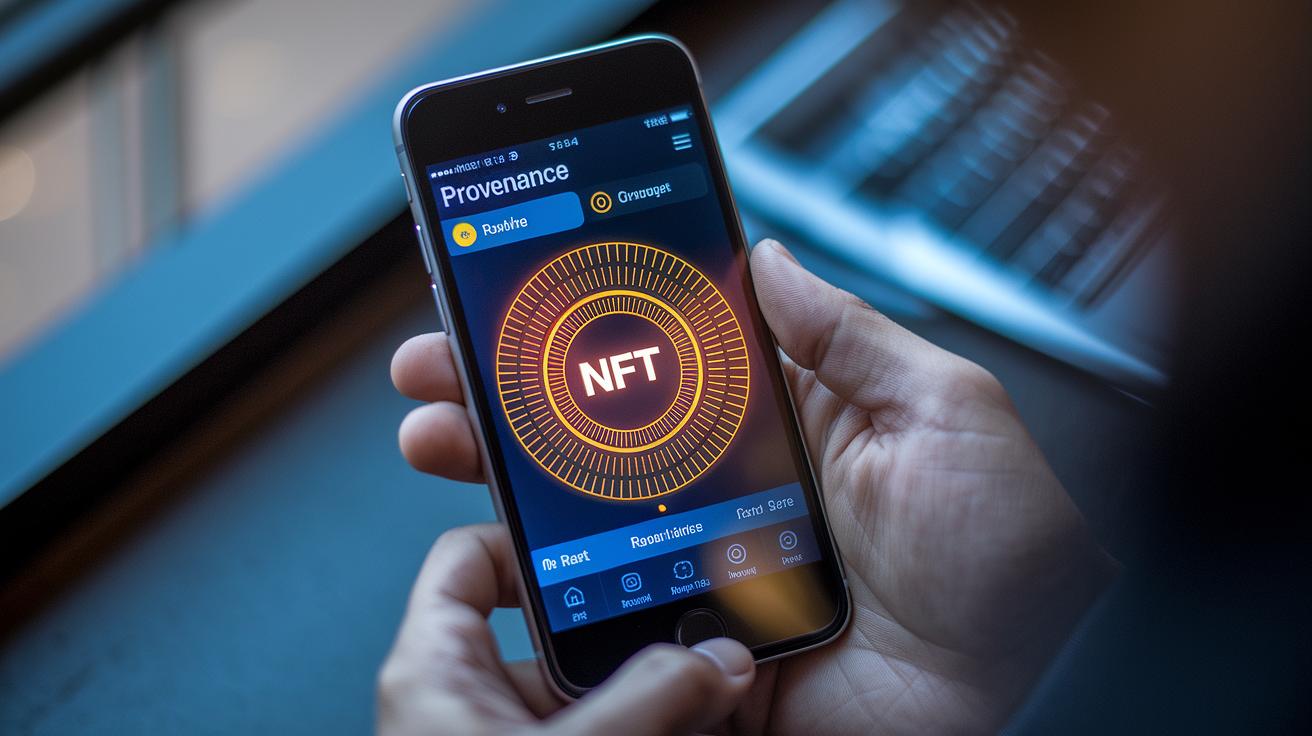
On-chain metrics let you see how rare an NFT really is by checking its traits, total supply, and transfer history, all stored on the blockchain. Tools like rarity.tools give each NFT a numeric score, kind of like a digital report card that shows how unique it is. Imagine tracking your digital art's story like a family tree, where every branch is an authentic transfer of ownership.
Provenance tracking is just as important. It means looking at the full chain of a token's ownership to make sure the NFT is genuine and hasn’t been passed around in sketchy deals. When you see a verified chain, like checking with a trusted blockchain wallet (https://nftcellar.net?p=678), it adds extra security and trust, often boosting the NFT's value.
Put simply, when an NFT is scarce and has a clear, transparent history, it usually commands a higher price. This approach gives investors confidence by basing decisions on solid, recorded data instead of the ups and downs of the market.
Risk Assessment and Storage Security in NFT Valuation
When looking at NFTs, security really matters in how we value them. NFTs that are stored completely on-chain have all their information recorded on the blockchain, which means there’s less chance of losing data or having it tampered with. This extra security can even drive up the price because buyers feel safer with them. Plus, a strong blockchain network boosts investor trust right away.
It’s also important to check if the smart contract has been properly audited. A good audit means experts have reviewed the code to make sure it doesn’t have any hidden weak spots. Keeping your digital wallet safe adds another layer of security, guarding your assets against hacking or other issues.
On the flip side, NFTs tied to off-chain assets or those with weak security measures can be seen as riskier. This lowers their appeal in the market. When you’re figuring out an NFT’s price, it helps to think about these risks, including what might happen if there’s a breach or a failure on the other side. For more details on how risk in digital finance is managed, check out this resource: https://nftcellar.net?p=715.
Case Studies Applying NFT Valuation Methods

Case Study 1 looks at a Bored Ape NFT using the Market Approach. Investors kept an eye on its floor price and a score based on cool traits like unique background colors and rare accessories. They noticed that as special traits came into play, even lower starting bids began to rise. Analysts compared a bunch of recent sales from the same collection to come up with an estimate that balanced current demand with past performance. The final sale price really showed the collectible's worth, and looking at auction results confirmed how spot-on the estimate was. They also tracked how often the NFT sold above its usual price, which gave extra clues that its value was shifting. In short, real sale comparisons like this one show how even small changes in rarity and sales activity can affect an NFT's price and hint at future returns.
Case Study 2 centers on a music NFT that comes with built-in royalty rights, using the Discounted Cash Flow method. Here, experts projected cash flows mainly from expected royalty payments over a five-year stretch. They estimated each year’s income, then used a 12% discount rate to account for the ups and downs in the blockchain market and uncertainties in streaming revenue. This approach helped them calculate a present value to compare with actual market trends. By looking at auction results and secondary sales of similar music NFTs, they provided a clear picture of what the DCF method can show. Overall, while the Market Approach gives you a feel for current market vibes, the DCF method lays out a forecast of future income. Both examples offer practical insights and clear data to help investors make smart decisions in the ever-changing world of digital assets.
Practical Guide to Selecting NFT Valuation Methods
When you're figuring out how to value an NFT, start by checking out its main features. Ask yourself if the NFT gives you recurring income rights, because that could mean using a Discounted Cash Flow method, which is a way to estimate current worth based on future income. Also, see if there’s solid data from recent similar sales. This info is key, especially if you're looking at art or collectible pieces.
Next, take a look at the NFT’s on-chain provenance. In simple terms, this means its clear digital record of past ownership. A good record proves the NFT is genuine and adds trust to its value. Also, think about your own comfort with risk. For example, if you don’t mind a bit of uncertainty, you might pick a method that takes market ups and downs into account. On the other hand, if you prefer steady, reliable data, go for methods that show stable income.
Experts say it’s smart to match the valuation tool with the type of NFT you’re looking at. For artworks that mainly get their value from collector interest, a market approach works well. Tokens that generate consistent revenue are a better fit for the Discounted Cash Flow method, and for larger portfolios, algorithmic valuations might be your best bet.
Here’s a simple checklist to help you decide:
| Step | Consideration |
|---|---|
| 1 | Does the NFT offer recurring income rights? |
| 2 | Is there reliable data from recent comparable sales? |
| 3 | How clear is its on-chain provenance? |
| 4 | What is your risk tolerance level? |
| 5 | Which valuation method fits the asset type best? |
Final Words
in the action, we've unpacked key strategies for valuing NFTs. We walked through the DCF method, examined the market approach, and looked into automated tools and on-chain scarcity measures. Each method offers unique insights, aiding in identifying risk factors and bolstering portfolio decisions. Using nft valuation methods helps you tailor your investments given the vibrant, fast-paced digital asset market. The insights shared here aim to fuel smarter, confident moves in your digital investment strategy. Enjoy exploring these signals!
FAQ
How do you value an NFT, what is the NFT valuation model, and how do you price your NFTs?
The NFT valuation process combines methods such as discounting future revenue streams (like royalties) and comparing recent sales of similar digital assets. This approach helps set a fair market price amid market fluctuations.
Are NFTs worth anything anymore?
The value of NFTs comes from their digital uniqueness, creator reputation, and potential income rights, even amid market swings. Careful study of market trends and asset quality can reveal strong collectible value.