
Ever wondered if a little cash could make a big splash in crypto trading? With leverage trading, you can use a small deposit to control a much larger sum. Think of it like turning a $1,000 stake into a $10,000 move on Bitcoin or Ethereum. Gains can ramp up quickly, yet even a slight downturn might hit harder than you’d expect.
In this post, we’ll chat about using that extra trading power while keeping risks in check. Have you ever thought about how using leverage smartly could help you target smarter gains in the crypto world?
2. leverage trading crypto for smarter gains
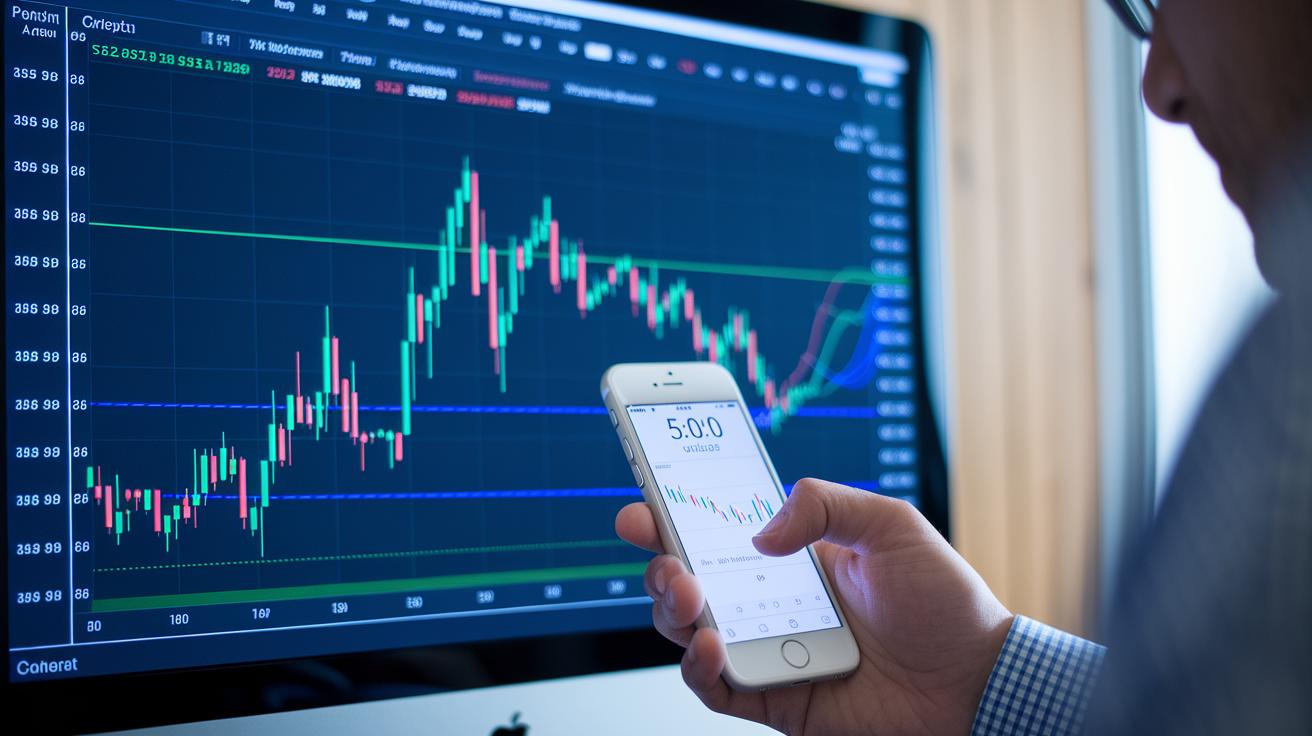
Leverage trading in crypto lets you control a much bigger position than the funds you actually have, kind of like borrowing extra buying power. You simply post a small deposit as collateral, which then boosts your exposure. For example, with 10x leverage, a $1,000 deposit can manage a $10,000 Bitcoin or Ethereum position. It’s a neat way to jump into larger market moves, but remember, both profits and losses get magnified.
There are a couple of different methods here. With spot margin, you borrow assets directly from the exchange using your deposit as backing. On the other hand, futures and perpetual contracts let you trade on digital exposure by simply posting collateral instead of taking a full loan. Picture it like this: your $1,000 deposit becomes a $10,000 position, and if the market jumps, your gains grow fast, but if it dips, you feel the hit even harder.
For beginners, think of these trades like high-stakes experiments. It’s best to only risk a small portion of your portfolio and always have stop-losses in place to protect you from a rapid downfall. In short, if you handle your risk smartly and keep an eye on your margin needs, leverage trading can be a powerful tool to aim for smarter gains in the crypto world.
Margin vs Synthetic Crypto Leverage Strategies
When you trade on margin, you borrow money from the exchange using your own funds as backup. You pay interest on what you borrow, and if the market moves against you, you risk losing your entire safety net. Imagine putting your money behind a trade, only to see it vanish if things turn sour.
On the other hand, synthetic leverage in futures and perpetual contracts works a bit differently. It mimics the effect of borrowing without actually taking out a loan. You put up collateral to back contracts that follow real market moves, so you don't pay regular borrowing fees. But remember, even with synthetic leverage, losses can grow quickly when prices shift.
There’s also a key difference in how collateral is handled. With cross margin, your funds support several trades at once. This means if one trade goes wrong, all your open trades might suffer. It’s like putting all your eggs in one basket, a small drop in the market can affect everything. In contrast, isolated margin keeps each trade’s funds separate, so a bad move in one trade doesn’t spill over to the others.
- Margin-based coin transactions let traders borrow money directly from the exchange.
- Advanced margin strategies for digital coins call for careful risk checks on each trade.
This clear difference between margin and synthetic leverage helps traders choose the best tactic for high-ratio altcoin moves.
Comparative Review of Crypto Leverage Trading Platforms

Binance is a favorite among crypto traders who want more than just regular coin exchanges. Starting in 2017, this platform lets you trade with up to 125× leverage, and it sees about $65 billion in trades every day. It’s a solid choice if you need deep liquidity and plenty of market options, though U.S. users can’t access its high-leverage features.
MEXC really stands out by offering super high leverage. Traders can go up to 500× leverage on more than 800 different futures pairs. With a community of 40 million users in over 170 countries, it’s perfect for those who are up for an aggressive trading strategy, especially when dealing with big names like Bitcoin and Ethereum.
If you’re interested in contracts that keep going, especially using stablecoins like USDT or USDC, then Bybit has you covered with up to 125× leverage for perpetual contracts. However, U.S. traders aren’t allowed to join because of regulatory rules. Its easy-to-use design and $30 billion in daily trading volume make it a trustworthy choice.
OKX offers up to 100× leverage on futures and lists over 350 different cryptocurrencies. This platform is great for traders looking for a variety of digital assets and more advanced margin trading options, though it does face similar country-specific restrictions as some others.
KuCoin gives you access to over 700 assets, perfect for margin trading with a wide range of altcoins. Meanwhile, Bitget is known for its futures copy trading, with a near-perfect uptime of 99.99%, but keep in mind it has higher fees for copy trading.
Coinbase is made especially for U.S. traders and offers up to 10× leverage, focusing strongly on regulatory compliance and top-notch security. BingX provides grid trading with similar leverage, and dYdX offers decentralized perpetual contracts with up to 20× leverage, giving you a more hands-on experience.
| Platform | Max Leverage | Key Features/Metrics |
|---|---|---|
| Binance | 125× | $65B daily volume, non-U.S. for leverage |
| MEXC | 500× | 800+ futures pairs, 40M users |
| Bybit | 125× | USDT/USDC perpetuals, high daily volume |
| OKX | 100× | 350+ cryptocurrencies |
| KuCoin | Varies | 700+ assets, extensive altcoin support |
| Bitget | Varies | Futures copy trading, reliable uptime |
| Coinbase | 10× | U.S. compliant, secure trading environment |
| BingX | 125× | Grid trading, lower trading volumes |
| dYdX | 20× | Decentralized perpetuals |
If you want to learn more about each platform’s features and fees, be sure to check out the crypto exchange comparison link.
Calculating Exposure & Technical Charting for Crypto Leverage Trades

Leverage lets you control a bigger trade with a smaller deposit. For instance, if you use 10× leverage, you only need to put up about 10% of the trade’s total value. So, a $1,000 deposit could let you handle a $10,000 trade. But be careful, if you move to 20× leverage, even a 2% drop in price might wipe out your deposited funds. That’s why it’s super important to check your exposure using a calculator before starting any trade.
Figuring out how big your trade should be starts with knowing how much money you’re willing to risk. Think of your margin as a safety net. With isolated margin, if one trade goes bad, only that trade suffers. However, cross margin ties all your trades together. And if several trades start to lose, it can feel like a domino effect.
Another smart move is to keep an eye on your liquidation levels. Watching the liquidation price closely can help you set stop-loss orders to limit losses when things head in the wrong direction. Technical charting gives you a visual look at where prices might bounce back or break down. Tools like trendlines, support and resistance levels, plus the relative strength index (RSI), which shows whether a digital asset is overbought or oversold, can be super helpful at spotting those key moments.
For more on these charting tools, check out What is technical analysis in investment – https://nftcellar.net?p=177. This method helps you set smart exposure limits and study high-risk setups before you jump into or exit a trade.
Risk Management for Amplified Crypto Positions

When you trade with leverage, even a tiny shift in market prices can shake up your entire portfolio. A smart move is to risk only 1-2% of your account on any trade. This way, one loss won't drag down all your funds. Plus, using stop-loss and take-profit orders helps lock in gains and cut losses automatically when prices move too far against you.
It also helps to lean on technical signals, like momentum indicators and price patterns, to avoid snap decisions. Make sure you check the margin requirements and know your exchange’s rules. Trading fees and funding rates on futures can chip away at your profits if you're not careful. So, keep an eye out for fast price moves that might put a strain on your collateral.
Consider these steps to manage risk:
- Limit each trade to 1-2% of your total account equity.
- Use stop-loss and take-profit orders effectively.
- Regularly monitor funding rates on futures contracts.
- Stay updated on your exchange’s margin call settings and fee structures.
Following these guidelines is crucial. Without them, even a small market swing might trigger a margin call and wipe out your collateral. It’s all about balancing potential gains with the risks involved. For more insights, check out Crypto trading strategies (https://nftworthit.com?p=101).
Real-World Examples in Crypto Leverage Trading

Imagine a trader investing $1,000 in Bitcoin using 10x leverage. This means that if Bitcoin goes up by 5%, the trader might earn roughly $500 in profit. But if Bitcoin falls by the same percentage, their entire investment could vanish in an instant. It’s a clear case of high risk for high reward.
Now, think about using 20x leverage. With this kind of boost, even a small 2% drop in Bitcoin’s value could wipe out all the funds put in. It really shows how a tiny move in the market can mean a huge win, or a complete loss.
Some traders are now turning to automated tools to better time their trades. They use bots that keep a close eye on market signals every second. This helps cut down on human mistakes because the bots act fast, closing positions when the market starts turning sour.
Another popular approach is hedging. In simple terms, traders might take a short position or use leveraged tokens to help balance out the risk of their main trade. Think of it as setting up a safety net that can help reduce losses when the market shifts quickly.
Regulatory & Tax Considerations for Crypto Leverage Trading
In the US, getting into spot margin trading can be really challenging because most platforms demand you hold assets worth around $10 million. Futures trading, on the other hand, is accessible on exchanges that are registered with the CFTC. Leverage trading is legal, but it comes with tight rules to verify your identity and stop money laundering. So before you start, you’ll need to hand over clear identity documents and meet these standards.
Every time you wrap up a leveraged trade, it's treated as a taxable event. That means you must report any gains or losses when you file your taxes. Funding-rate taxes can also sneakily impact your profits, so tracking these rates is key. It’s smart to keep detailed records of all your transactions, which makes tax time a lot easier.
It’s also wise to follow the latest crypto rules. Check out the Emerging crypto regulatory policies to stay ahead of any changes that could affect your margin investments or risky trades. Playing it safe with compliance not only helps shield your investments but also keeps you in good stead with the regulators.
Final Words
In the action, we saw how crypto leverage trading fundamentals work, comparing margin to synthetic strategies while evaluating digital trades using excess exposure. We broke down top platforms, calculated exposure, and examined technical charting methods that help manage risk in dynamic markets. The article also touched on regulatory and tax factors that affect every trade. By focusing on prudent tactics, you can better navigate your investments and seize opportunities with leverage trading crypto. Keep learning, stay alert, and turn challenges into smart moves for your portfolio.
FAQ
What is leverage trading in crypto?
The concept of crypto leverage trading means using borrowed funds to control a larger position than your actual deposit, which increases both potential gains and losses while requiring collateral.
What does 20x leverage on $100 mean?
The idea of 20x leverage on $100 means you control $2,000 worth of crypto, so even small market moves can result in significant profit or loss, making proper risk management crucial.
Is crypto leverage trading profitable?
Crypto leverage trading profitability relies on market movements and smart risk management; while high leverage can lead to quick gains, it also greatly magnifies potential losses during adverse price shifts.
How much can I lose with a 10x leverage?
The risk with 10x leverage means that even a minor drop in the market could wipe out your collateral, as losses are multiplied tenfold compared to a standard trade without leverage.
What are some examples of crypto leverage trading?
An example of crypto leverage trading is using a small deposit to control a larger Bitcoin or Ethereum position, where a moderate price change either multiplies profits or may trigger a liquidation of your collateral.
Which leverage trading app is best for crypto?
The notion of selecting a best crypto leverage trading app depends on your needs; platforms like Binance, Bybit, and Coinbase offer varying features, ease of use, and security levels suited for different traders.
Are there crypto leverage trading platforms available in the USA?
In the USA, leveraged trading options exist on regulated platforms such as Coinbase, where compliance with strict financial rules ensures that traders have access to secure margin trading features.
What does 100x leverage crypto mean?
The term 100x leverage crypto means using one unit of capital to control a trade worth 100 times that amount, significantly boosting both the profit potential and the risk of dramatic losses.
What are some recommended crypto leverage trading platforms?
Recommended platforms include Coinbase for US users, Binance for broad offerings, Bybit for specific perpetual contracts, and others like Bitget, KuCoin, and OKX, which provide various high-leverage options.
What tips help crypto leverage trading beginners?
Advice for beginners is to use lower leverage, start with small positions, practice risk management techniques like stop-loss orders, and gain familiarity through educational resources before scaling up.
How does the crypto community on Reddit view leverage trading?
The sentiment on Reddit around crypto leverage trading reflects a blend of excitement and caution, as traders share practical tips, personal experiences, and strategies to manage risks effectively.
What are safe practices for crypto leverage trading?
Safe practices in crypto leverage trading include setting stop-loss orders, keeping leverage ratios low relative to your account size, and monitoring positions carefully to guard against rapid market downturns.