Have you ever wondered if NFT trading is just a gamble or if it could really boost your portfolio? NFTs aren’t just about digital art, they might actually open the door to smart market gains. In this guide, we chat about simple strategies that help you start trading NFTs. We break things down to basics, like setting up your crypto wallet (a tool that lets you store and trade digital money) and spotting trends in the digital world. With these easy steps, even if you’re just starting out, you can enter the market with a clear plan and smart moves.
Getting Started with NFT Trading: Setup & First Steps
NFT trading is all about buying and selling one-of-a-kind digital assets on sites like OpenSea and Rarible. It works by linking your cryptocurrency wallet to these platforms, letting you own unique digital art, music, or virtual items. Before you start, set up a digital wallet and remember that NFT prices change with market demand and the project’s features. Investing in NFTs comes with risk, so do your homework first.
Begin your NFT trading journey with these simple steps:
- Set up your cryptocurrency wallet and connect it to a trusted marketplace.
- Add enough cryptocurrency to your wallet to cover your planned trades.
- Explore different NFT collections to find ones that catch your eye.
- Check the details of each asset to make sure it’s genuine and rare.
- Place a bid or use the “buy now” option, depending on how the project works.
- Finish the transaction and save your purchase details safely.
For your first few trades, remember to take your time. Double-check any fees and look into the project’s background before buying. Keep a close eye on market trends, since digital asset values can shift quickly. Stay patient and make choices based on what makes each asset special, like the reputation of the artist or the rarity of the item. Every trade is a chance to learn something new while you build your digital asset portfolio.
NFT Trading Strategies: Buy, Sell & Flip Techniques

Long-Term Trading Methods
If you're looking to hold onto your NFTs for a while, long-term trading might be the path for you. Many investors stick with a buy-and-hold approach, searching for digital items that really stand out. You know, collectibles with limited availability tend to grow in value over time. Plus, if an NFT is created in partnership with a well-known digital artist, that collaboration can boost its appeal as it gains cultural significance.
Trend-Based Approaches
This approach is all about paying attention to market signals and timing your moves. Traders often study simple chart patterns and moving averages to decide when it might be smart to buy or sell. In a busy trading session, a sudden spike in volume can signal a major market move, much like a wave building up before it crashes on shore. By keeping an eye on market mood and price changes, you can better align your strategy with current trends.
Short-Term Techniques
Short-term techniques focus on grabbing quick gains. This might mean buying an NFT at a lower price and flipping it soon after for a profit. Sometimes, getting in early during a pre-sale or earning bonus rewards from yield-farming can give you that extra edge. If you're into swift transactions and rapid shifts, this strategy can be a great way to potentially boost your returns by using smart market timing.
NFT Trading Platforms: Choosing the Right Marketplace
When picking an NFT marketplace, check a few key points. Look for platforms with lots of active users, steady monthly transactions, and fees that make sense. These signals show that the marketplace is bustling and reliable. Plus, make sure the site lets you connect your digital wallet safely so your assets stay protected.
Some marketplaces even offer extra features like decentralized auctions and built-in DeFi tools, which can add more safety and convenience. It all comes down to matching the platform with your own style of trading. Have you ever thought about how a few smart features can change your trading experience?
| Marketplace | Monthly Volume | Fee Structure | Unique Users | Key Features |
|---|---|---|---|---|
| MarketAlpha | High | Low | Over 1M | Secure wallet, DeFi integration |
| CryptoBid | Moderate | Moderate | 500K+ | Decentralized auctions, active support |
| AssetXchange | High | Variable | 750K+ | High liquidity, community focus |
| NFTHub | Moderate | Low | 600K+ | User-friendly, robust security |
For traders with a high frequency of transactions, a busy platform is often the best choice. If you’re more about saving on fees and keeping your digital wallet secure, options like MarketAlpha or NFTHub might suit you better. Compare these features carefully and pick a platform that offers the right mix of liquidity, security, and innovative auction options.
NFT Trading Analysis: Technical vs Fundamental Approaches

When it comes to NFT trading, there are two popular ways to study the market. Some look at charts and trends to decide the best moments for a trade, while others focus on an NFT’s true value by checking its unique features and the buzz around it.
Technical Analysis in NFT Trading
Technical analysis is all about spotting patterns in charts and using moving averages. Think of it like watching the tide, you see a steady rise or fall, and it might be just the right time to make a move. It’s a straightforward way to read the pulse of the market.
Fundamental Analysis in NFT Trading
Fundamental analysis digs deeper than just numbers. This method checks if an NFT is genuine by looking at blockchain records (a digital tool that tracks transactions) and verifying the artist’s background. It also considers the power of community talks. When lively discussions pop up on social media and forums, an NFT can suddenly become much more valuable. For instance, one verified digital artwork tripled in value in a week once community chats confirmed its authenticity. Impressive, isn’t it?
| Aspect | Indicator |
|---|---|
| Authenticity | Blockchain records and artist reputation |
| Community Impact | Social media buzz and online forum activity |
NFT Trading Risk Management: Security & Fraud Prevention
The NFT market can be wild and unpredictable. Prices can jump or drop in no time, and because the market isn’t tightly controlled, you might face big losses if things shift suddenly. Plus, working with unverified projects or sketchy platforms may expose you to scams. It’s important to watch out for red flags like mismatched platform details or unclear token info.
Using stop-loss orders and spreading out your investments can help protect you from sudden market dips. It’s always a good idea to research each project thoroughly and run through a simple risk checklist to see if it’s solid. Checking that tokens meet known standards, like ERC-721 or ERC-1155, is like confirming you’re trading a genuine digital item. And keeping an eye on market buzz can give you early hints about potential fraud.
Staying alert is key in this fast-changing scene. Regularly update your security practices and be on the lookout for scam signals. Taking the time to review and tweak your risk strategies as new info comes out builds a sturdy defense against unexpected pitfalls. Stay informed, stay cautious, and your NFT trading journey will be much smarter.
NFT Trading Market Trends: Interpreting Charts & Data
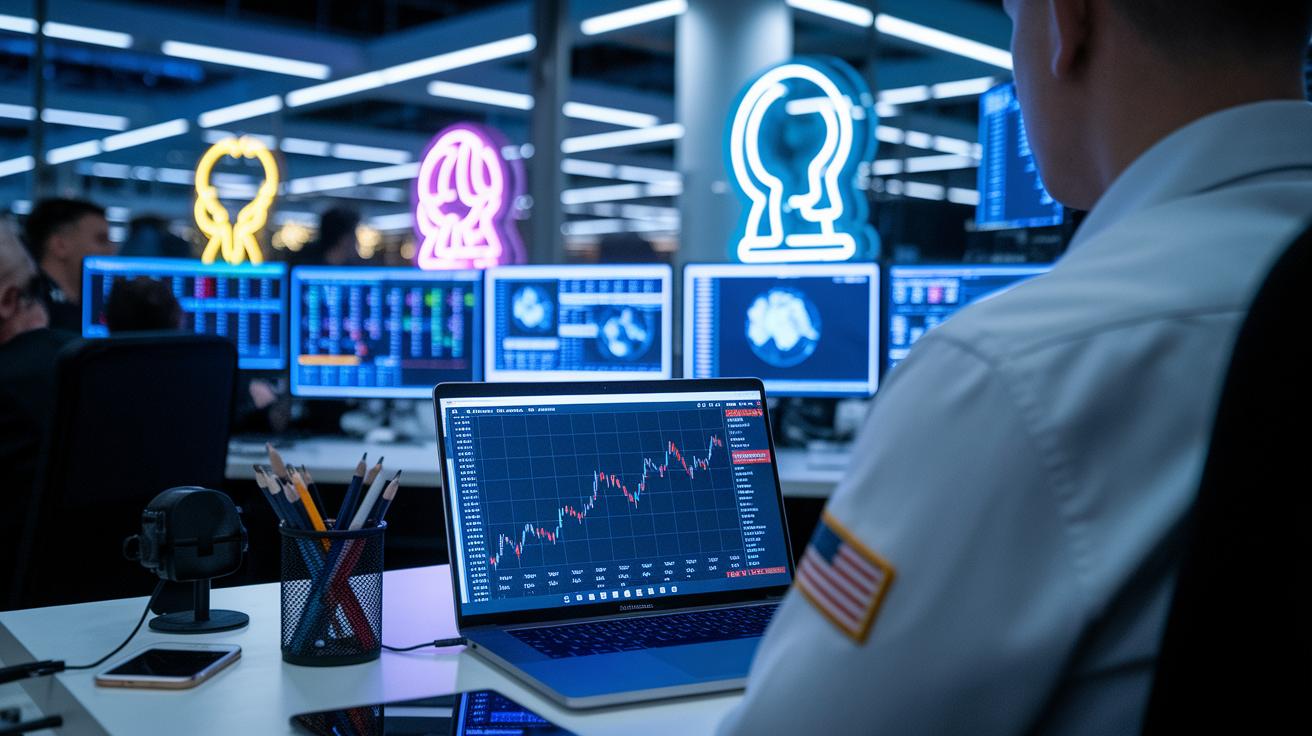
The NFT world is full of signals that grab your attention. Celebrity shout-outs can kick off a buying spree, and when different platforms team up, it gets even more buzz around these digital items. Big holidays tend to create sudden spikes in interest, and as more people join in, the popularity of certain NFTs grows even faster. Keep an eye on these telltale signs to decide when to dive in or hold off. For instance, if a renowned artist gives a nod, expect a rush of new buyers, kind of like when your favorite product suddenly flies off the shelves.
Looking at simple charts is a bit like using a map to navigate your trades. High volume readings show that lots of people are buying, signaling that demand is on the rise. Meanwhile, liquidity tells you how quickly you can buy or sell without causing big price swings. When you see a lot of trading but low liquidity, it might mean a price shift is coming up. By spotting these patterns, you can better decide the right moment to make your move. So, check out live market trends and data feeds, they’re like a real-time guide to what’s coming next.
NFT Trading Compliance: Taxation & Regulatory Considerations
When you trade NFTs, you deal with gains or losses just like any other investment. Buying and selling these one-of-a-kind digital items means the crypto you use can change in value. This means you might pay taxes on profits, and sometimes, losses can even lower your overall tax bill. Keeping clear records of every trade is really important for figuring out your true gains or losses.
There are many tools available to make reporting easier. For example, NFT Tax Software, DeFi Tax Software, and portfolio trackers let you simply enter your trade details. They then calculate the tax effects for you, turning complex data into a clear summary. Using these tools helps you avoid mistakes and saves time during tax season, they act like a trusted sidekick keeping your records neat.
Staying compliant isn’t just about filing the correct numbers. You also need to keep up with changing rules and regulations. The market doesn’t have a lot of strict rules right now, so it’s wise to keep an eye on any policy updates to avoid fines. Checking sites like Emerging Crypto Regulatory Policies can help you stay on top of the latest changes. This way, you protect yourself from tax surprises and any legal issues.
Final Words
In the action, we explored the basics of NFT trading, from setting up your wallet and bidding processes to spotlighting key trading strategies. We broke down ways to buy, sell, and flip collectibles, while comparing platforms for liquidity and security. We also examined technical versus fundamental analysis and outlined risk management tips alongside tax and regulatory pointers.
This guide brings clear insights for anyone stepping into nft trading. Keep exploring fresh trends and smart investments. Enjoy the excitement that comes with every successful trade!
FAQ
What is an NFT trading platform, app, website, or marketplace?
An NFT trading platform is a digital site where you buy and sell unique digital assets. It includes apps, websites, and marketplaces that link to crypto wallets for secure transactions.
What does NFT trading for beginners mean?
NFT trading for beginners means starting simply by connecting a crypto wallet, funding it, and using a trusted platform. Beginners benefit from step-by-step guides to safely enter NFT trading.
What is free NFT trading?
Free NFT trading means using platforms that allow listing and purchasing without upfront costs. Some platforms may charge a small fee when a sale closes, making trades more accessible for users.
What is NFT art?
NFT art refers to digital art verified on a blockchain that proves its originality and owner. This verification gives artists a way to share their work and lets collectors secure unique pieces.
What is NFT Treasure?
NFT Treasure often refers to special digital collectibles that hold extra value or benefits. They work like rare finds, attracting collectors with the promise of unique and coveted items.
What is NFT trading?
NFT trading involves buying and selling unique digital assets on the blockchain. Trades occur using crypto wallets and online marketplaces that confirm ownership and secure transaction records.
Is NFT trading profitable?
NFT trading can be profitable, but it also involves risks like market swings and evolving trends. Profitability depends on research, timing, and understanding the true value of each asset.
Can I convert an NFT to real money?
Converting an NFT to real money is possible by selling it on a digital platform. After the sale, the cryptocurrency received can be exchanged for cash using crypto-to-cash services.
How much does one NFT cost?
The cost of one NFT varies widely based on rarity, artist reputation, and market demand. Some NFTs are quite affordable, while others may sell for thousands of dollars.