
Ever thought about how a digital token could shake up entire industries? NFTs, which started as a digital art craze, have quickly grown to influence areas like gaming, music, and even real estate. They’re like unique digital badges that show ownership and offer experiences traditional methods just can’t match.
These tokens are growing fast, and that hints at big changes in our everyday lives. In this post, we’re chatting about how NFTs are sparking innovation and changing the way we interact with the world around us.
NFT Use Cases Across Key Sectors
The NFT market exploded in 2021, growing by over 21,000%. It started as a small digital art experiment, but now there are more than 14 ways to use these digital tokens. Imagine a digital collectible that doubles as an official certificate for an achievement, no more keeping track of paper records. This sharp growth shows how digital tokens, using secure technology, can quickly change how we verify assets.
Big names in the industry are exploring NFTs in many areas. In gaming, NFTs create unique skins, weapons, and avatars. The music world uses them for album art and special content. Virtual real estate is redefining how we buy and sell digital properties, while brands are building loyalty with rare collectibles. NFTs are even shaking up ticketing and credentialing, blending the gap between online assets and traditional systems.
Looking ahead, future case studies will reveal even more benefits and new trends. Up next, we’ll see how gaming platforms are reimagining player rewards, how digital art opens new income streams for creators, and how music and real estate are shifting ownership models. By mixing easy-to-use digital tokens with everyday experiences, NFTs are breaking barriers and setting new standards. Exciting times lie ahead in this remarkably evolving world of NFTs.
NFT Use Cases in Gaming and Metaverse Environments
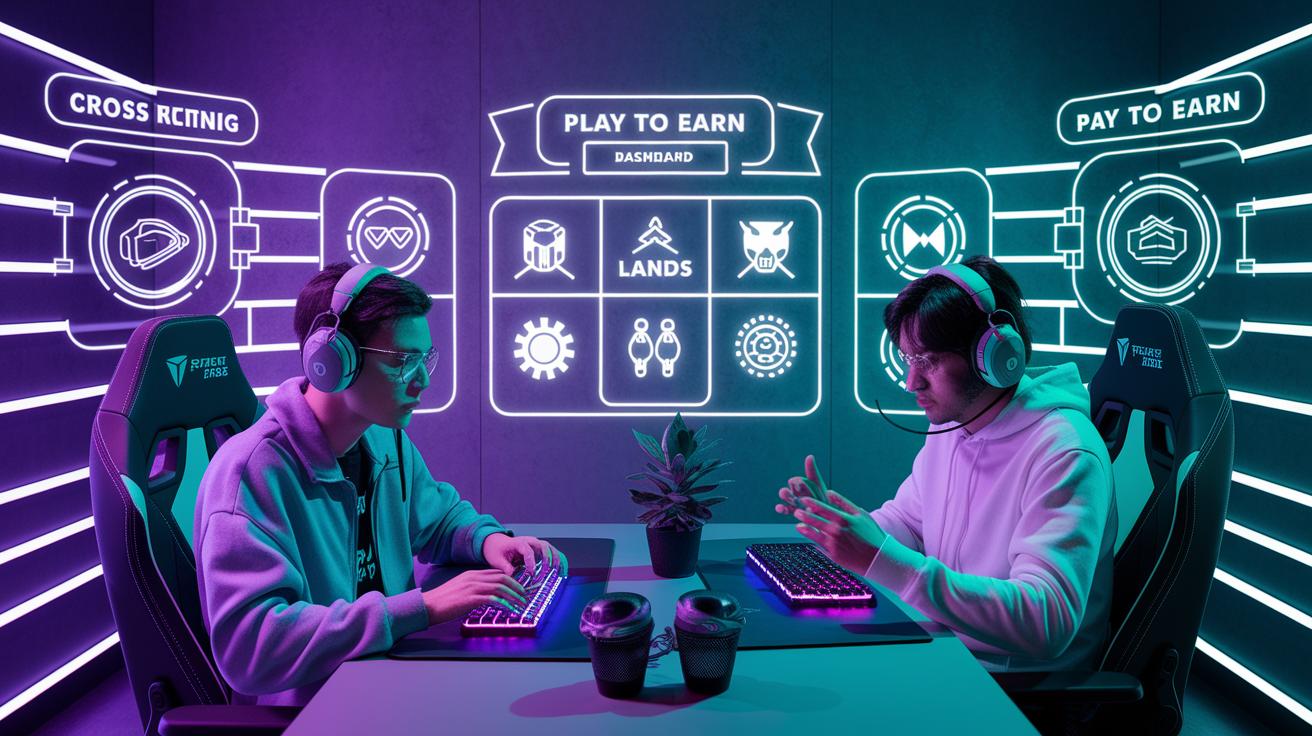
Gaming and virtual worlds are quickly emerging as hubs for NFT innovation. In these areas, fun meets real value as players earn rewards along with digital items they can trade.
- Unique skins, weapons, and avatars that you truly own
- A play-to-earn system where your gaming pays off
- Virtual real estate that you can buy or lease
- In-game NFTs that come with real use
- Items you can use across different gaming platforms
Market trends look really bright. Experts say that play-to-earn models might push the NFT gaming market to an $80 billion value by 2025. For example, platforms like Sandbox and Decentraland recently saw virtual land sales top $100 million in just one month! This shows that gamers are not just playing, they’re also investing in digital assets that can grow in value. And because you can trade these items on NFT marketplaces, each digital asset serves both fun and financial purposes. As developers roll out new gaming features and metaverse ownership ideas, the line between playing for fun and investing is getting blurrier. It's an exciting time for both creators and players alike.
NFT Use Cases for Creative Projects and Digital Art
Digital art has entered a whole new era with NFTs. Artists now have an easy way to sell their one-of-a-kind digital creations, thanks to blockchain verification that proves each piece is real. They also enjoy automatic royalty payments every time their art is resold, much like a physical painting that keeps earning value over time.
Virtual art installations are changing how we see creativity too. Digital galleries in metaverse spaces let art lovers explore new works from anywhere, breaking away from the old constraints of traditional galleries. This means artists can get creative with funding and reach a much broader audience.
- Tokenized single-edition digital paintings
- Blockchain-based commissioned art projects
- Virtual reality gallery exhibitions (similar to those on nft art platforms)
- Decentralized crowdfunding for artists
- Dynamic NFTs with visuals that change
These NFT projects give artists and collectors a fresh, interactive way to connect with art. Artists are reaching new fans and earning ongoing income, while collectors enjoy the peace of owning a verifiably unique digital piece. This blend of art and technology is totally reshaping how creative work is funded, displayed, and valued.
NFT Use Cases in Real Estate and Tokenized Assets

Imagine owning a tiny piece of a big property without buying the whole thing. NFT tokens work like digital certificates that show your share in a building or land. This means you can invest even if you don’t have enough money to buy an entire property. For example, you might own just one share of a downtown apartment complex, with each NFT showing exactly what part of the property you own. It also makes transferring ownership much easier because everything is recorded in a safe, permanent digital ledger.
New digital trading platforms are making property investment fast and transparent. They let people swap these property tokens quickly and securely, even across borders. This helps improve liquidity because you can buy and sell these tokens much faster than traditional real estate, which is often bogged down by mountains of paperwork and lengthy legal steps.
Of course, there are still challenges to face. One big hurdle is that current laws might not fully address the idea of owning just a piece of a property digitally. Plus, it can be hard to match the token’s market price with the real value of the property behind it. These issues need to be sorted out before NFTs can truly unlock their potential in the world of real estate.
NFT Use Cases for Intellectual Property and Licensing
NFTs are digital tokens that work like certificates showing you have certain usage rights for creative work. In plain terms, these tokens include rules that say how a piece of art or digital content can be used. A digital artist, for example, might create a token that spells out how their work can be shared or reproduced. The rules are built in, so they can't be easily changed.
Another cool part is automated royalty distribution. When a digital asset is sold again, a blockchain system can automatically send a royalty payment back to the creator. This clear and automatic process helps prevent disputes over payments and makes it easy to keep track of who owes what. It’s like having a digital accountant working in the background, handling details that used to need constant checking.
Take music, for example. A musician can turn a song into an NFT with a built-in smart contract that sets out licensing rules. Every time the song is resold, the contract makes sure the musician gets paid directly, without the need for any middlemen. This not only protects the musician’s rights but also changes the way digital media is managed and shared, making the whole process fairer and more efficient.
NFT Use Cases in Ticketing and Access Control
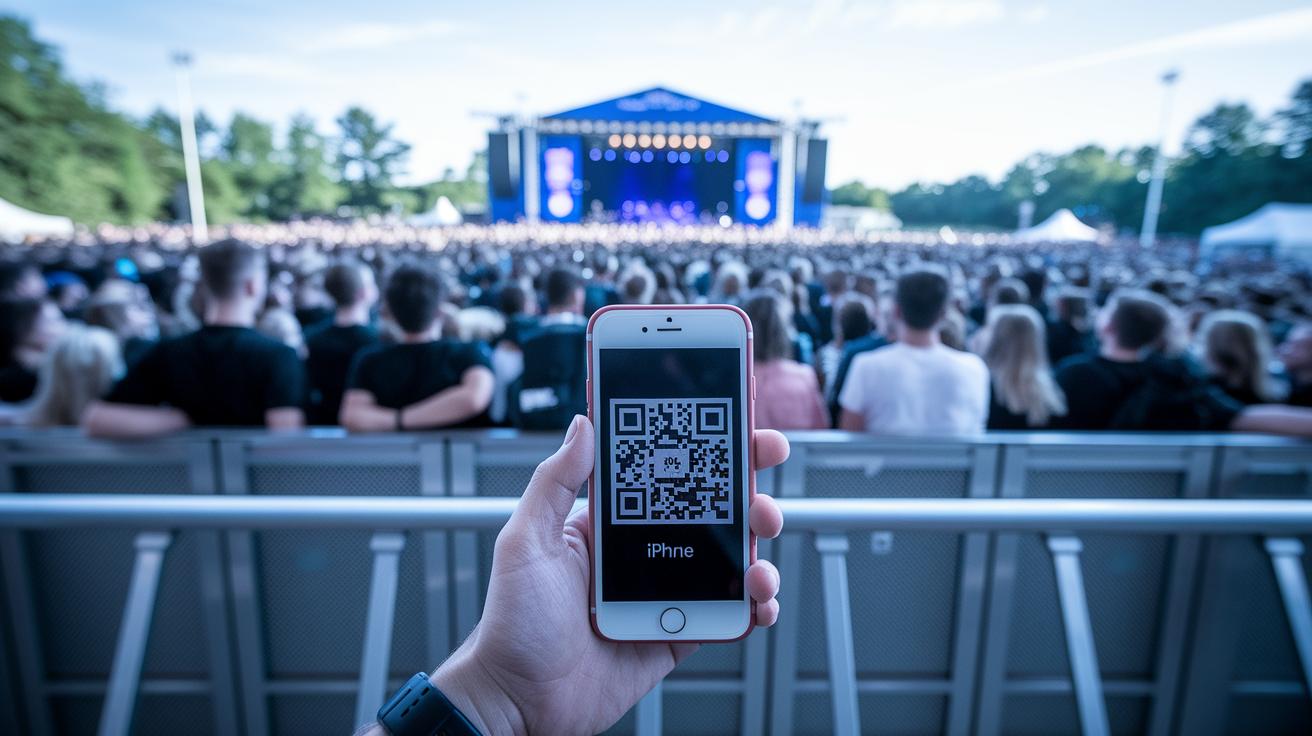
Traditional ticketing systems often miss the mark when it comes to keeping events secure and fair. Many events suffer from fake tickets and buyers trying to flip tickets for a huge profit. Even systems that seem reliable can be tricked by counterfeit passes, leaving the resale market murky. For example, one big concert reported over 30% of its tickets being forged, which sparked chaos at the entrance.
NFT tickets handle these issues right out of the box. They come with smart features like ever-changing QR codes that link to secure digital records, making every ticket unique and nearly impossible to copy. With NFT-based ticketing, event organizers can cut down on scalping and limit how tickets are resold. Imagine each scan at the event instantly confirming that your ticket is genuine, just like having a high-tech pass in a secure space.
Several music festivals and sports events are already testing these NFT passes with great early success. Music festivals use NFT passes in a scan-to-enter setup, while sports arenas are trying out digital tickets that streamline check-ins. These trials show that NFT ticketing is setting a fresh, trustworthy standard for event entry.
NFT Use Cases for Identity and Certification
NFTs are shaking up the way we handle academic and professional credentials. Instead of paper certificates, schools and employers are now using digital tokens to mark your achievements. These tokens put your records on a digital ledger, which means they can’t be changed once they're in place. Picture this: after finishing your course, you get an NFT as a diploma, and you can easily show it off to prove your degree. It’s a neat way to boost trust in your academic records.
Government agencies are also giving NFT-based digital IDs a try. These digital IDs use a secure blockchain record to stop any tampering and cut through the red tape of identity checks. Imagine having a government-issued digital passport that, when scanned, confirms your identity in just seconds. Trials like these are setting high standards for reliable document verification.
The big win with NFT credentials is that they reduce fraud and simplify verification. Without the need for manual checks, there's less chance of fake documents slipping through the cracks, which really helps hiring teams and admissions officers. In short, this digital method not only saves time but also makes sure that your important records are safe, simple, and secure.
Emerging and Future NFT Use Cases

NFTs are now mixing with augmented reality to change how we interact with digital assets. These AR tokens give collectors fun, interactive experiences with their digital items. Picture scanning your phone over a digital sculpture to see it pop out in 3D, or trying on art pieces virtually that seem to leap off the screen. It turns a simple image into an exciting, almost touchable experience.
Social tokens and community governance NFTs are stepping up, too. They let fans and community members join in decision-making and unlock special events or content. When you have a say in future releases or community projects, it takes you from just owning an asset to being a real part of something special.
New ideas like sustainable token projects and cross-chain interoperability are setting up the future of NFTs. Some NFT projects now help fund environmental projects, proving that digital innovation can also make a positive impact in the real world. With token standards improving and new technology making it simpler to trade NFTs across platforms, these changes promise even more uses for NFTs. In short, this mix of eco-friendly efforts, tech advancement, and community focus is paving the way for NFTs to boost both innovation and broader societal goals.
Final Words
In the action, the blog highlighted how NFTs stretch beyond digital art into gaming, real estate, intellectual property, ticketing, and identity certification. We saw examples like in-game asset ownership, blockchain-based royalties, and tokenized real estate, each demonstrating clear value. These insights carve a path for smart digital strategies and balanced portfolios. Exploring such nft use cases reveals promising trends and measurable market shifts. Keep this positive outlook as a reminder that smart moves today can pave the way for tomorrow’s gains.