
Have you ever wondered what the lowest priced NFT in a collection really tells you? The floor price is like the heartbeat of the market, showing you how buyers and sellers are feeling about a digital asset. Think of it like checking the weather before you leave the house, it gives you a quick read on the market vibe. This key signal helps you spot whether interest is heating up or cooling down, so you can decide your next move in this fast-changing scene. Let's break it down and see what these numbers mean.
Current NFT Floor Price Snapshot: Live Data and Table

The floor price is simply the lowest price at which someone can buy an NFT from a particular collection. It gives you a quick peek into market vibes by showing the balance of supply and demand. Think about it like this: back when digital art was just getting popular, you could snag an NFT for about the cost of a fancy latte. That fun fact shows how the floor price sets the stage for what buyers and sellers expect.
We gather these live numbers from well-known NFT marketplaces and dig a little deeper with NFT price analysis. We also convert the ETH price into USD so you can easily compare costs. And remember, Ethereum Gas Fees can bump up the total cost when you make a purchase. With collections updating regularly, these figures help you make quick, informed decisions in a fast-moving market.
| Collection | Floor Price (ETH) | USD Equivalent | 24h Change |
|---|---|---|---|
| CryptoPunks | 75 | $135,000 | +2.5% |
| BAYC | 48 | $86,400 | -1.2% |
| Azuki | 12 | $21,600 | +0.8% |
| Doodles | 7 | $12,600 | -3.0% |
NFT Floor Price Significance: Market Sentiment and Value Baseline
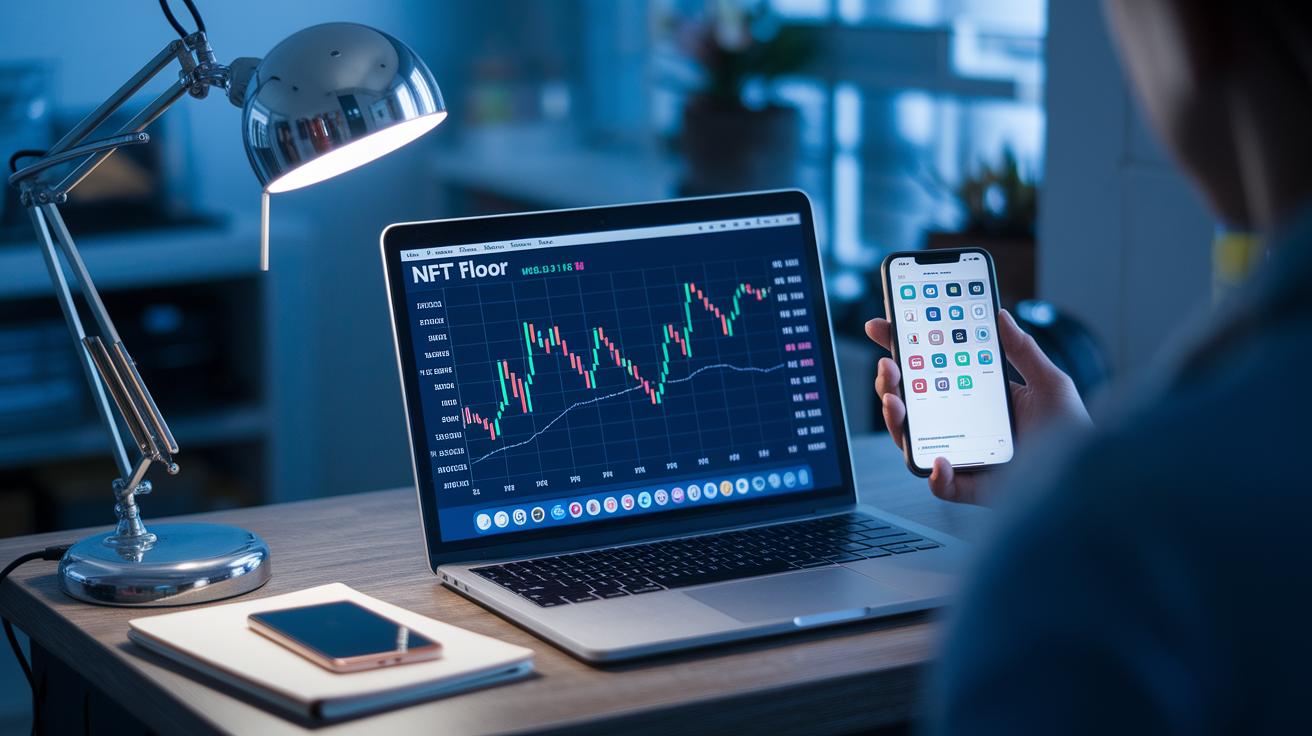
The floor price tells us the minimum collectors are willing to spend, acting like a simple snapshot of a collection’s overall vibe. It shows the balance between how much of the asset there is and how many buyers are interested. So, when the number goes up, it usually means more people are eager to jump in. But if it drops, that could be a hint that interest is cooling or there might be too many NFTs available.
Key factors that shape the floor price include:
- Supply volume
- Buyer interest
- Rarity tiers
- Utility features
- Collection hype
When you see the floor price rising, it often means collectors believe in the long-term value of the assets. On the flip side, a dip might signal that market dynamics are shifting. And let’s not forget about high Gas Fees, they can bump up the overall cost beyond what’s listed, making the real price higher than expected. This can throw off your risk versus reward analysis in NFT investing.
A steady floor price is a dependable sign, helping both newcomers and seasoned collectors feel more confident about the health of the digital asset market.
Historical Trajectory of NFT Floor Price
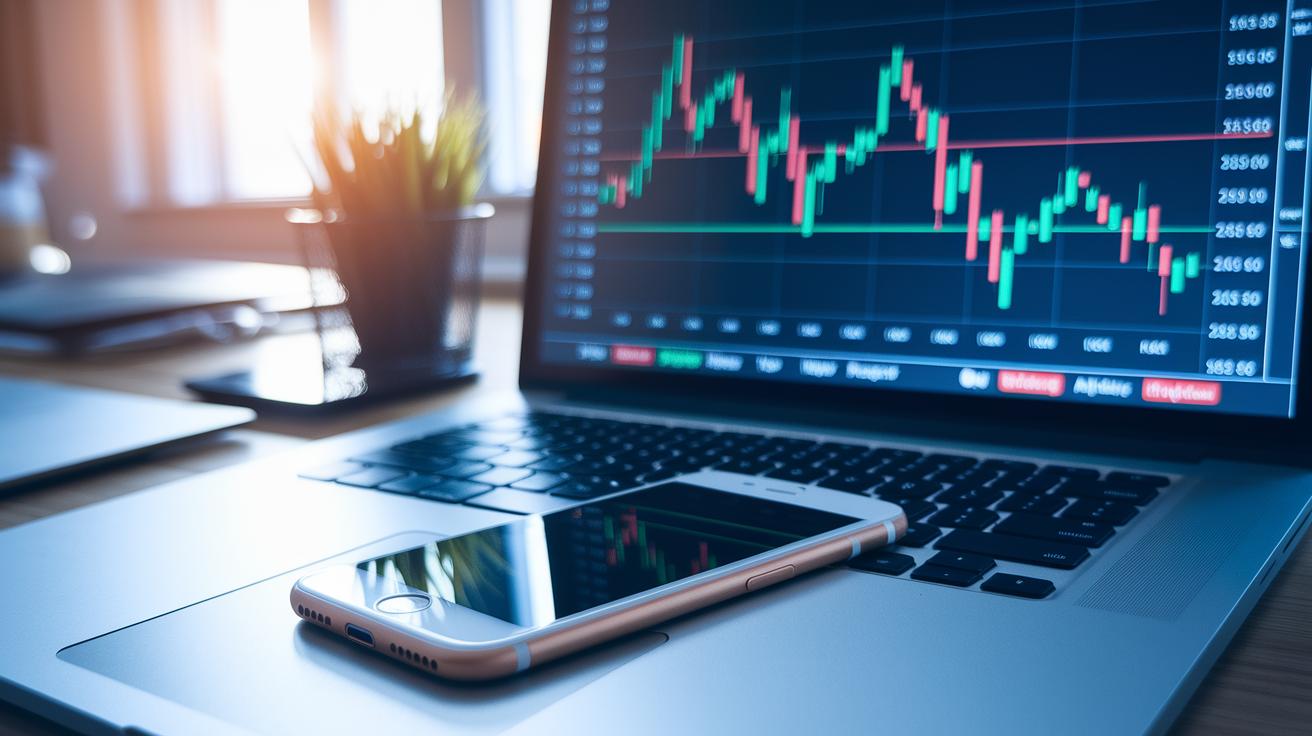
The journey of NFT floor prices is really fascinating. Prices started off small when collectors were just getting a feel for these digital collectibles. As more people began noticing these assets, the floor prices shot up. Eventually, the market calmed down and prices adjusted to a more balanced view. Each jump and dip tells a story about how collectors' opinions change as the digital asset world matures.
For instance, back in Aug 2021, BAYC made its debut at about 0.08 ETH, sparking some early buzz among collectors. Then by Dec 2021, BAYC’s floor shot up to roughly 16 ETH as interest really picked up. In Jan 2022, a new player, Azuki, appeared with a modest floor of around 1 ETH, drawing fresh attention. A few months later in Apr 2022, Azuki’s floor climbed all the way to 25 ETH, showing that its value was on the rise. Meanwhile, in Mar 2022, BAYC reached a peak near 150 ETH before settling down to around 80 ETH by Jun 2023. Most recently, in Apr 2024, CryptoPunks carved out a floor close to 75 ETH, reminding us of their enduring appeal.
These key moments show a trend that, while sometimes wild, generally moves upward. Big jumps point to times of heavy buying, while later corrections hint at the market finding its balance.
Note: Add a line-chart of floor price versus date to give a clear look at these shifts.
| Date | Event | Floor Price (ETH) |
|---|---|---|
| Aug 2021 | BAYC debut | 0.08 |
| Dec 2021 | BAYC floor surge | 16 |
| Jan 2022 | Azuki launch | 1 |
| Apr 2022 | Azuki floor climb | 25 |
| Mar 2022 | BAYC all-time high | 150 |
| Jun 2023 | BAYC correction | 80 |
| Apr 2024 | CryptoPunks legacy | 75 |
NFT Floor Price: Bold Market Signal
Getting instant data is key to catching the market’s vibe. Collectors need real-time info to keep an eye on NFT floor prices, which show shifts in supply and buyer interest almost immediately. Platforms like OpenSea and LooksRare let you sort collections by the lowest current price, giving you a clear view of today’s trends.
Here’s a simple way to stay ahead:
- Check out the filters on sites like OpenSea and LooksRare to get the latest floor price updates.
- Build custom dashboards on tools such as Dune Analytics to compare past and current prices.
- Watch on-chain data by looking at buyer and seller wallet activity to spot real-time changes.
- Turn on alerts with tools like Nansen or NFTPriceFloor so you don’t miss sudden price shifts.
Mixing these approaches with on-chain data gives collectors a complete picture. Using marketplace filters, custom dashboards, and alerts together helps you see price changes as they happen. In short, this full view shows how digital asset trends evolve, proving that up-to-the-minute market signals are essential for smart NFT investing.
NFT Floor Price Forecasting: Models and Prediction Apps
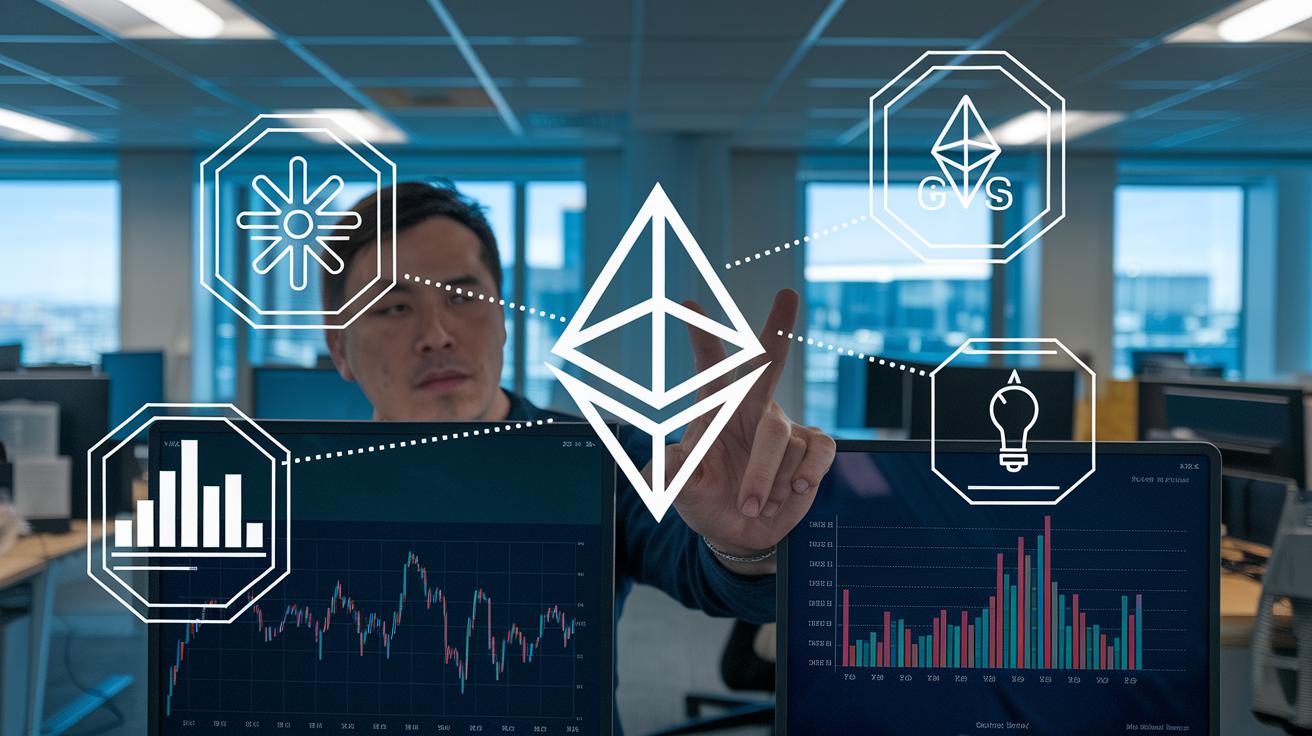
Regression Models for Floor Forecasting
Regression models look at old floor price data along with Ethereum (ETH, a popular digital currency) market info to guess where prices might go next. They work by gathering past floor prices and matching them with changes in ETH volatility and rising Gas Fees. This way, they spot clear trends that might signal a shift in how much collectors are willing to pay. By using methods like simple linear regression or moving averages, you can project future floor levels and get a better feel for what the market might do next. Have you ever noticed how past trends can give clues about future moves?
Using Dedicated Floor Price Prediction Apps
Some handy apps take all these factors and make forecasting a breeze for digital asset collectors. They pull in historical data, current Gas Fee patterns, and ETH movement to help estimate risks and rewards. For example, apps like these can quickly show you how market sentiment is shifting:
- Rarity.tools Insights keeps track of historical trends and the overall mood of the market.
- FloorSweep AI uses moving averages along with signals from sudden volatility.
- NFTPredict Pro blends several types of data to give a live, dynamic forecast.
| App Name | Key Feature | Pricing Tier |
|---|---|---|
| Rarity.tools Insights | Historical trend analysis | Premium |
| FloorSweep AI | Volatility trigger based models | Standard |
| NFTPredict Pro | Integrated data forecasting | Basic |
Final Words
In the action, the article broke down live market data, explained how floor prices set a baseline for sentiment, and traced key historical shifts. It also showcased tools that help track trends and forecast moves, blending hands-on analysis with clear insights for smart digital investments.
The discussion put a keen focus on how each metric, like the nft floor price, contributes to a balanced picture of risk and reward. Positive outlooks and careful monitoring set the stage for confident, informed choices.
FAQ
What is an NFT floor price?
The NFT floor price refers to the lowest price at which an NFT from a specific collection is currently listed, offering a baseline measure of supply and demand in the market.
How to sell NFT at floor price?
Selling an NFT at the floor price means listing it at the collection’s lowest current offer. This strategy helps ensure a quicker sale but might limit potential profit if market interest increases.
How much are NFTs worth now?
NFT values vary widely based on market demand, collection reputation, and current floor pricing. Evaluating live data and historical trends is key to understanding their present worth.
How much is 1 NFT today?
The price for one NFT depends on the specific project and market conditions. Typically, buyers reference the floor price of its collection as an indicator of its current market value.
What is an NFT floor price chart?
An NFT floor price chart visually represents the lowest listing prices for NFTs over time. It helps collectors spot trends, track market sentiment, and understand price movements across collections.
What is NFT floor price on Reddit?
Discussions on Reddit about NFT floor prices share firsthand insights and market observations. Users exchange experiences, emerging trends, and data analysis to help each other stay current.
How is NFT floor price prediction used?
NFT floor price prediction applies historical trends, ETH market activity, and price fluctuation patterns to project future low-listing prices, aiding collectors in planning their investments effectively.
What is the Bored Ape NFT price?
The Bored Ape NFT price often reflects strong market demand. The listed floor price serves as a quick gauge of collector interest and overall market sentiment within the high-profile collection.
What is Gecko Labs?
Gecko Labs is known as a platform that offers tools for tracking NFT analytics, including live floor pricing data. It provides insights into market trends for both new and established collections.
How is Binance connected to NFT floor pricing?
Binance plays a role in the NFT space through its integrated marketplace and price tracking features, allowing users to view current NFT listings alongside broader crypto asset information.
How can Coinmarketcap help track NFT prices?
Coinmarketcap includes various crypto assets and sometimes extends its data to include NFT market trends, offering users a broader perspective on pricing and overall market activity.
What role does Coinbase play in NFT pricing?
While Coinbase is primarily a crypto exchange, its data on Ethereum and other digital assets broadly influences NFT market trends, indirectly affecting how collectors value NFTs.
How does DappRadar “UAB” assist with NFT metrics?
DappRadar “UAB” provides detailed statistics on NFT collections, including floor prices and volume metrics. This tool helps collectors gain real-time insights into market performance.
What is Block Solutions Sdn Bhd?
Block Solutions Sdn Bhd is a firm offering blockchain services. Their work sometimes touches on NFT analytics, supporting market participants with technical insights and data intelligence.