Ever wondered if one NFT marketplace really stands out? In today’s digital trading world, the platform you choose shapes your whole experience.
You get everything from digital art and music wallets to one-of-a-kind collectibles. Each marketplace has its own perks, just like different flavors in an ice cream shop.
This guide takes a friendly look at top options to help you find the perfect fit for your needs and tastes. Get ready to make NFT trading simple and exciting.
Best NFT Marketplace: Stellar options to trade
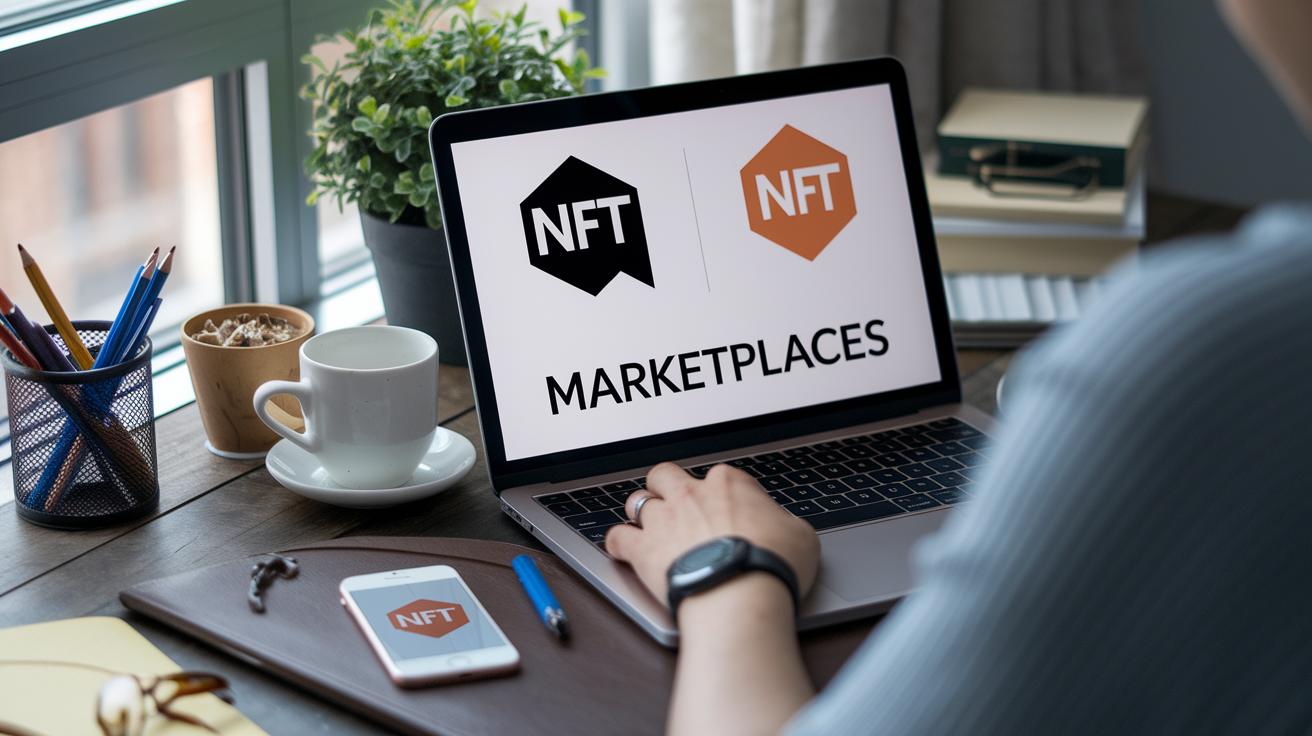
If you're looking to dive into the world of digital art, music, trading cards, or even virtual goods, you'll find a number of NFT marketplaces ready to welcome you. Each platform has its own style, and you can choose one that fits your needs best. Wondering where to start? Let's take a quick tour of some of these options.
OpenSea is one of the big names. It offers a broad range of digital assets and charges a small fee of 2.5% per trade. Meanwhile, Rarible gives creators a lot of freedom in a space that’s open and user-controlled, letting you manage your work without having to hand over control to someone else.
Then there's SuperRare. It’s known for its careful selection process and only accepts about 1% of the artists who apply. This means you get more exclusive art, but artists face a higher fee, around 15% on the primary sale. Nifty Gateway takes a different approach, focused on exclusive drops using Ethereum and teaming up with well-known brands.
Binance NFT stands out if you value security and multi-chain support. It connects smoothly with your Binance account and supports both Binance Smart Chain and Ethereum. And Magic Eden is catching eyes with its approach that works not just on one blockchain, but on Solana, Ethereum, Bitcoin, and Polygon, all while keeping fees low, perfect if you’re into art or gaming assets.
| Platform | Founded | Blockchain | Fee Structure | Unique Features |
|---|---|---|---|---|
| OpenSea | 2017 | Ethereum | 2.5% | Diverse range of art, music, trading cards, and virtual goods |
| Rarible | 2020 | Ethereum | Variable | Open-source platform giving full control to creators |
| SuperRare | 2018 | Ethereum | ~15% primary sale fee | Highly curated art selection with a low artist acceptance rate |
| Nifty Gateway | 2018 | Ethereum | Variable | Exclusive drops with strong brand and artist partnerships |
| Binance NFT | 2021 | Binance Smart Chain & Ethereum | Low fees | Seamless integration with Binance accounts and high security |
| Magic Eden | 2021 | Solana, Ethereum, Bitcoin, Polygon | Low fees | Supports art and gaming assets with a very user-friendly multi-chain interface |
In short, picking the right marketplace is all about what matters most to you, whether it’s the fee you pay, the type of blockchain it supports, or specific features like exclusive drops or a robust creator environment. Take a moment to reflect on what you value in a digital asset space, and you’ll surely find a platform that feels right. Happy trading!
How to Choose the Best NFT Marketplace: Key Factors Explained

When you're looking for the perfect NFT marketplace, it’s all about matching what the platform offers with what you need. You want a place that combines solid security, a simple user experience, and a community that fits your digital style. Think about what matters most to you, whether it's how fees are charged or the vibe of the community.
Here are the main points to keep in mind:
- Blockchain compatibility (how well the platform works with different digital ledgers)
- Fees and gas costs (what you pay to make transactions)
- Security and reputation (the trust and safety of the site)
- User interface and onboarding (how easy it is to start and use the platform)
- Community and curation (the quality of the network and the content)
- Minting capabilities (how you create new digital assets)
These factors can help you see the differences between ecosystems like Ethereum and Solana. User reviews and guides can also be really helpful, they might even explain how to set up your wallet and make your first purchase. Reflect on these aspects to make sure your choice feels right for your needs and comfort level in this ever-changing digital space.
Beginner-Friendly NFT Marketplaces: Guides and Tips for First-Time Users

Starting with a wallet is the first step in your digital trading journey. It may sound overwhelming, but it’s pretty simple. Pick a secure wallet that works with the main digital ledgers, then load it with funds by transferring crypto from another exchange or buying directly through the wallet’s service. This basic setup helps you confidently explore various marketplaces, much like making sure you have cash in hand before you wander through a unique market.
If you’re excited about creating your own digital collectibles, consider platforms like Mintable. They offer a gasless minting option, which means you don’t need to pay the usual fee for processing transactions. This way, artists and creators can focus more on their art instead of worrying about extra costs. The platform guides you step-by-step through uploading your digital file, setting prices, and sharing your creation, almost like attending a friendly workshop where you learn and add your personal touch.
When you’re ready to make your first purchase, look into sites like Binance NFT. These platforms let you use your existing exchange account for a smooth start. You can easily browse through collections, check prices, and confirm your buy-in, all with clear visuals and helpful guides. This approach makes stepping into NFT trading straightforward, engaging, and less intimidating.
Marketplace Fees, Security Measures, and Authentication on NFT Platforms
When you explore fee plans on popular NFT sites, you quickly notice that fees can shape your trading experience. For example, OpenSea takes just 2.5% for each sale, keeping costs low. But then there’s SuperRare, which charges about 15% on primary sales, a sign of its exclusive, hand-picked collection. Some platforms like Nifty Gateway change fees based on special events, while Binance NFT even gives discounts if you own their BNB coin. It’s a bit like having a price tag that changes with your loyalty, pretty neat for different kinds of investors.
Knowing who’s behind the transactions is really important in building trust on these platforms. Rarible, for example, uses a system that lets you control your digital treasures without handing your keys to someone else. Just like your own personal locker, non-custodial wallets put you in charge of your NFTs.
Strong on-chain security measures also boost confidence. These platforms use top-notch encryption and safely set up smart contracts, think of it as a digital safe that logs every transaction so you always have a clear, unchangeable record of who owns what.
Decentralized storage methods help build trust even more. KnownOrigin, for instance, uses a spread-out system to keep art secure, and with community oversight through $RARE tokens, there’s an extra layer of accountability in the mix.
Emerging Trends and the Future of NFT Marketplaces
NFT marketplaces are switching from a one-size-fits-all style to more niche-focused hubs. These platforms now cater to specific passions such as art, gaming, and sports collectibles, offering a tailored experience for collectors. For example, one platform that focused solely on digital sports highlights saw a 200% jump in engagement. This shows that when a marketplace concentrates on its specialty, it builds a tight-knit and loyal community.
Looking ahead, NFT trading is gearing up to bring some really cool new features that could change the way we buy and sell digital items. Soon, we might see cross-chain interoperability, which means digital assets can move across different systems with ease. There’s also the rise of fractional NFTs, letting several people share ownership of one asset. Plus, dynamic royalty setups will adjust automatically with market changes. All these improvements are set to give both creators and collectors more freedom and control, leading to a more personalized trading experience.
User Reviews and Community Ratings for Leading NFT Platforms

NFT users share their real-life stories about joining different digital art platforms, and their experiences show both benefits and challenges. Many beginners love OpenSea because it’s super simple to set up and has low fees. One user even compared signing up to opening a digital gallery, where everything feels inviting and clear. This smooth start helps new collectors feel confident and dive right into exploring digital assets.
Community feedback paints a mixed picture. People on Rarible appreciate the platform’s decentralized approach that gives creators more control over their work. Meanwhile, artists on SuperRare praise the exclusive, high-quality art available, even though the platform’s higher fees might slow early sales. And over on Magic Eden, users rave about the fast transaction speeds on Solana, although some comments about Ethereum-based platforms point out that gas fees can get pretty high during busy times.
Overall, these reviews and ratings act as handy guides for anyone looking to invest in digital art. Friends on forums and rating sites suggest checking out shared experiences to make sure a platform’s strengths line up with your trading style before you jump in.
Expert Strategies to Maximize Returns on NFT Marketplaces

For collectors who know the ropes, timing is everything. Have you ever noticed that gas fees can drop unexpectedly? That’s your cue to snap up digital assets without overspending. Try to buy when the network is quieter and fees are lower, it’s a smart way to get more bang for your buck.
Another tactic is spreading out your investments. Instead of sticking to one type of digital art or blockchain, mix things up. It’s like having a variety pack of your favorite snacks, you never know which one will hit the spot in the market. This approach helps lower your risk and builds a balanced portfolio.
Tools that track market trends are super handy too. Keeping an eye on pricing trends and how rare certain items are can reveal hidden opportunities. Plus, features like gasless minting on platforms such as Mintable can save you money right from the start. Staying on top of these details means you’re always ready to make the best move.
Final Words
In the action, we examined top NFT marketplaces, how to choose the ideal platform, and practical guides for newcomers.
We broke down key features from fee structures to security measures while spotlighting emerging trends and expert strategies for savvy investors.
This article offered clear, real-world comparisons to help make informed digital investment moves.
Keep exploring and stay curious to find the best nft marketplace that fits your investment plan, and grab every opportunity that comes your way!
FAQ
What is OpenSea?
OpenSea signifies a popular NFT marketplace established in 2017 that offers digital art, music, trading cards, and more with a 2.5% fee, making it a well-known platform for various digital assets.
What is Magic Eden?
Magic Eden means a multi-chain NFT marketplace launched in 2021 that supports art and gaming assets on chains like Solana and Ethereum. It offers low fees and a user-friendly experience.
Which NFT marketplace is best for beginners and free to use?
The best NFT marketplace for beginners and free access often includes platforms like Binance and Magic Eden, known for low fees, simplified onboarding, and helpful educational resources for new users.
Which NFT marketplace is best for artists?
The best NFT marketplace for artists usually refers to ones like Rarible, where creators retain full control, and platforms like SuperRare that emphasize curated, high-quality digital art experiences.
Which NFT marketplace is best overall?
The best NFT marketplace depends on your needs, balancing fee structures, blockchain support, and unique features. OpenSea, Rarible, and Magic Eden are popular choices with distinct strengths.
Is OpenSea still a thing?
OpenSea remains a significant player in NFT trading, continuing to support a wide array of digital assets and maintaining a strong community presence since its launch.
Is NFT worthless now?
NFTs still hold value tied to their uniqueness and community demand. Their worth can change with market trends, so while values may vary, NFTs remain an innovative form of digital asset ownership.
Is Rarible better than OpenSea?
Rarible and OpenSea cater to different user needs. Rarible offers a non-custodial model that gives creators more control, while OpenSea provides a vast selection of digital assets and a well-established marketplace.
How do platforms like Coinbase, Binance, Blockchain.com, and Nifty Gateway Studio compare in the NFT space?
Each platform caters to distinct aspects of NFT trading. Coinbase and Binance integrate NFT offerings with broader crypto services, while Blockchain.com and Nifty Gateway Studio focus on secure transactions and curated digital art experiences.