Have you ever thought your digital art could be as unique as a rare treasure? NFT coins mix the excitement of digital collecting with the security of crypto tech. NFT stands for a unique digital asset that shows you own something special, whether that’s music, art, or even virtual land. This article breaks down how these tokens work in plain terms and explains why they’re catching the eye of both collectors and smart investors. Stay with us as we explore how NFT coins are shaking up the digital world.
Understanding NFT Coin Concepts and Market Dynamics
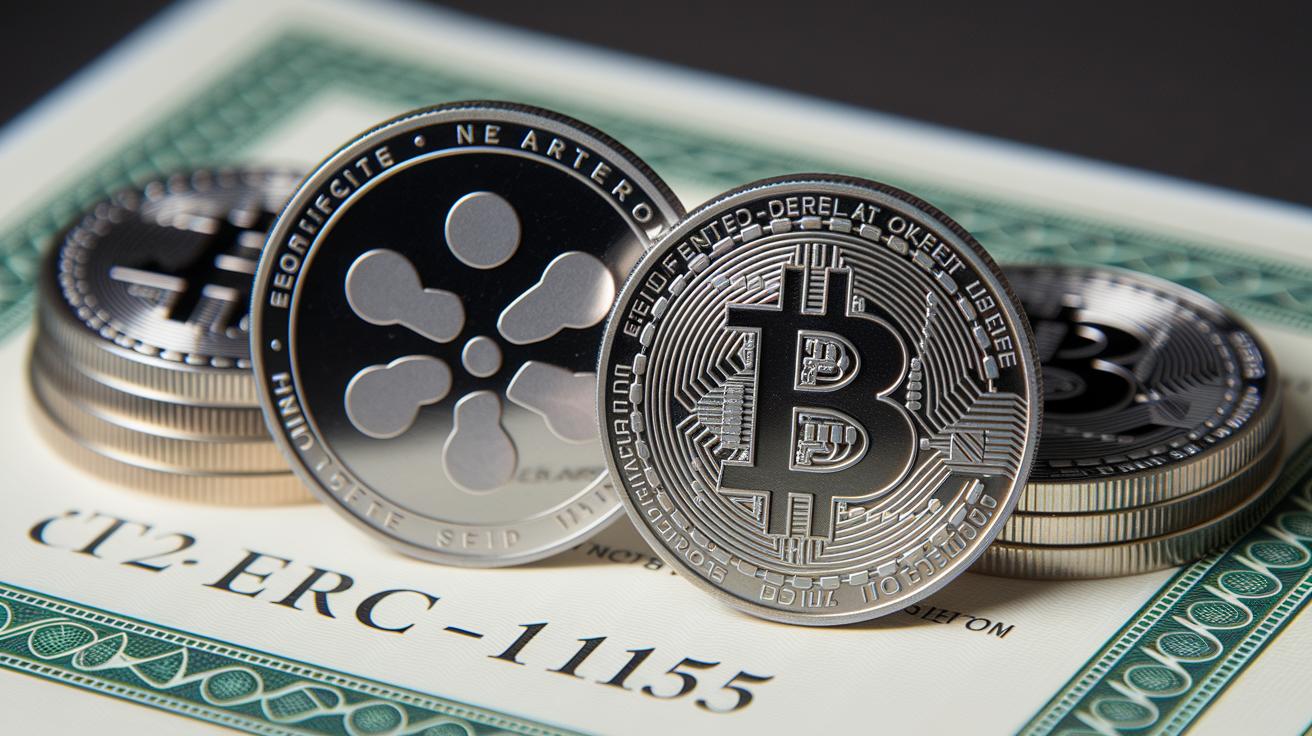
NFT coins mix the idea of unique digital items with cryptocurrency functions in a cool, approachable way. Each token is like a digital certificate that shows you truly own something unique, be it digital art, music, virtual land, or a collectible. Imagine holding a digital art piece that comes with solid proof of authenticity stored on a secure record system. It’s like having a special signature that confirms you own it.
These tokens run on smart contract guidelines, such as ERC-721 and ERC-1155, which basically means they follow strict rules to keep your ownership info safe. Every time you make a transaction, it’s permanently recorded on an unchangeable digital ledger called a blockchain. Think about it like owning a baseball card that has a unique serial number, setting it apart from all the others.
Unlike everyday cryptocurrencies like Bitcoin that you can swap one-for-one, NFT coins aren’t interchangeable. Each one carries its own unique details and value, so you can’t simply trade one without appreciating its distinct qualities. This one-of-a-kind nature is what excites many collectors and digital asset enthusiasts in today’s growing market.
NFT coins have captured the attention of those looking for secure and verifiable digital ownership. They bring together the best of both worlds: the thrill of crypto investing and the appeal of owning exclusive digital treasures. Just like a rare baseball card, every NFT coin tells its own story and holds its own value, which makes them truly stand out in the digital marketplace.
NFT Coin Tokenomics and Transaction Records
NFT coins use digital contracts on a shared ledger to track who owns each token and important details about it. Every time a token is bought or sold, the record is permanently saved, much like a logbook that anyone can check.
How tokens are made and released really affects the market. Some projects create a fixed number of tokens to make them rare, which can drive up their value. Others add new tokens as needed, keeping prices more even. Limited supply often boosts demand, think of how limited-edition sneakers sell out in minutes!
Looking at each trade gives clues about how active the market is and which tokens are more collectible. Each transaction shows how often tokens change hands and whether a platform offers smooth trades or tighter liquidity. By comparing these records, you can decide which platform has the best trading conditions.
If you want to learn more about these systems, check out this trusted guide on the nft blockchain for insights into how these trends might shape future token values.
NFT Coin Use Cases and Platform Comparisons

NFT coins let you buy one-of-a-kind digital art and collectible tokens on sites like OpenSea, Rarible, Zora, NBA Top Shot, and Decentraland. Think of it like looking for rare sports cards online, even a simple purchase can turn into a prized asset, just like the story of a collector who snapped up the only digital poster ever made.
In the gaming world and virtual spaces such as Axie Infinity and The Sandbox, NFT coins work as your ticket to special in-game items and plots of virtual land. You can use them to unlock cool characters, gain access to extra features, or even claim your own spot in a virtual world. Imagine getting a token that feels like a backstage pass at your favorite concert. It’s a fun twist on traditional gaming that makes digital ownership feel exciting.
When you’re comparing different NFT platforms, think about a few key points:
- Fee structures: How much do you pay each time you make a trade?
- Ease of use: Is the site simple to navigate with a friendly design?
- Royalty settings: How are ongoing payments handled for creators?
- Community size: Does a large, active group help boost demand and resale value?
These details can really shape your buying experience and the long-term value of your tokens. So, if you’re diving into the world of NFT coins, check these factors out to make a smart choice.
NFT Coin Historical Pricing Trends and Market Forecast
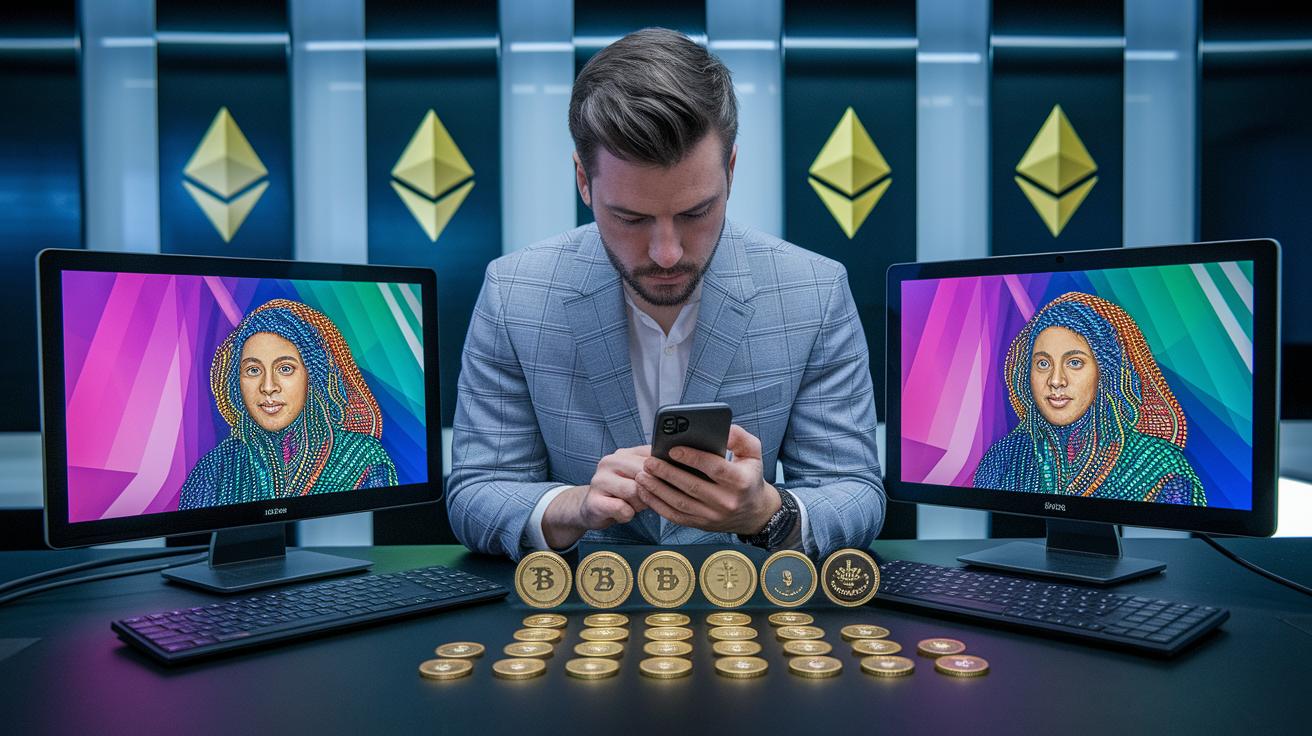
NFT coins have seen wild ups and downs that catch the eye of collectors and digital asset fans alike. A perfect example is Beeple’s artwork, which sold for $6.9 million in 2021 after starting at less than $70,000. This shows just how quickly values can shift in this space.
Since Ethereum started out in 2015, the market for NFT coins has grown a lot. Gaming and virtual worlds have helped push this growth by giving these coins more uses. Prices react to how collectors see rarity and future demand, making past price trends really useful when thinking about the future.
When you look at NFT pricing, it helps to mix old data with what’s going on right now, like gas fee changes and broader adoption. Experts keep an eye on price jumps when a new metaverse project pops up or there’s a big NFT drop, and they also watch for sudden drops. These past trends help build forecasts that capture both the excitement during booms and the caution needed in slow times.
Checking transaction records and comparing different platforms gives a peek into how liquid the market is and how investors behave. This careful review is key for spotting shifts and finding opportunities in a market that keeps changing. All this history helps shape smart investment choices in the fast-moving world of digital assets.
NFT Coin Investment Strategies and Risk Assessment
NFT coins are exciting but can be unpredictable. They often come with low liquidity and big price jumps, so you really need to plan your moves. Look at how popular each project is, check if the tokens are rare, and see if the team behind them has a good reputation. It’s a bit like finding a rare piece of art that goes up in value because only a few copies exist.
Many investors spread their money among different NFT coins to reduce risk. If you’re after steady growth, you might lean toward blue-chip NFT coins for long-term holds. But if you’re in the mood for some quick market action, you can try flipping newer projects. Mixing these strategies can act like a safety net when market trends change suddenly.
Here are some tactics to manage risk:
- Research the project’s community vibe and past performance.
- Watch the scarcity metrics to see how token value might grow.
- Use risk management tools (like the ones available at our trusted partner site: risk management tools – https://dealerserve.com?p=1376) to track token price movements.
Review your portfolio like you’d put together a balanced meal, each part adds strength to the whole dish. Keep an eye on market trends and be ready to adjust if a token starts showing signs of a sharp drop or liquidity problems.
Remember, a smart investment approach weighs potential rewards against the natural ups and downs of NFT coins. Even a small market change might mean it’s time to rethink your strategy, so stay alert and flexible as the market shifts.
NFT Coin Regulatory Environment and Security Protocols
NFT coin safety and rules have become a big deal as these digital tokens catch on. Big banks and government groups now trust onchain systems, which has led to tougher rules and better security. Smart-contract audits help by checking the token code for errors or weak spots, while hardware wallets and multi-sig custody solutions work like a super-secure safe to keep your assets safe from unwanted access.
Regulators are now looking closely at how tokens are classified, how taxes are reported, and how consumers are protected. They want clear guidelines that keep all investors secure and markets fair. Because of this, NFT projects must stick to strict rules, ensuring that every token’s history and details stay on record. Many platforms are now making every transaction clear and verifiable. Enhanced systems, like those explained in this article on blockchain technology advantages (https://gotocryptos.com?p=1464), add extra clarity to digital trades.
New technology has also led to updates in the rules across the board. Crypto asset managers now use tools like automatic alerts and secure storage to protect your investments. These changes show that the digital asset market is getting safer and more trustworthy with every new upgrade.
How to Buy, Trade, and Store NFT Coins
Start by opening an account with a trusted exchange or broker. It’s a lot like setting up a digital bank account, but instead of cash, you’ll be dealing with collectible digital coins. Many beginners take this first step so they can later convert their money into NFT coins. Imagine signing up on a well-known exchange and stepping straight into the lively world of digital assets!
After you open your account, deposit some funds and take a look at the trading options available. You can either buy the NFT coins and hold on to them, or you might try trading them with contracts for difference (CFDs) if you’re curious about short-term price changes. Always keep an eye on the fees. Some platforms reward you with lower costs, which means you get to keep more of your gains, while others might charge extra with every trade.
When you’re set to trade, a digital wallet can be really handy. These wallets help you buy, exchange, send, stake, and even mint NFT coins, all from one spot. They’re designed to manage your digital assets smoothly and may help lower gas fees, especially if you use options that cut down on traditional blockchain costs.
Here are some key tips to remember:
- Pick a wallet that can do several things at once.
- Check gas fee trends before placing big trades.
- Consider using staking options to potentially earn extra rewards while you hold your coins.
Take your time to go through each step since transaction speeds and fees can vary between blockchains. Always look at the gas fees when you're ready to trade, and try to make your moves when fees are lower. This simple trick can help you save money and make your digital asset journey even smoother.
Final Words
In the action, this post explored what an nft coin is and how it works on the blockchain. The discussion covered the token’s unique features, economic structure, and real use in digital markets, while also shedding light on investment strategies and risk measurements. Each section offered clear insights on buying, trading, and storing these tokens. The focus was on practical steps, market trends, and smart moves for digital asset investors. Moving forward, keep learning about nft coin and enjoy the positive upswing in the digital investment space.
FAQ
What is the NFT coin?
The NFT coin is a unique blockchain token that acts as a digital certificate proving ownership of assets like digital art, collectibles, and virtual real estate.
What is the current NFT coin price and what does price prediction mean?
The NFT coin price reflects current market trends, while price prediction uses data like transaction records and rarity to estimate future values, helping investors gauge potential returns.
What are the APENFT coin and Ape NFT coin?
The APENFT coin, also known as Ape NFT coin, represents a specific digital collectible token that provides proof of ownership for exclusive art or digital assets on blockchain platforms.
How can I find NFT coins on Binance and what does an NFT coins list include?
The NFT coin Binance listings and NFT coins list showcase various unique tokens available on the exchange, detailing key names and attributes for digital assets like art and collectibles.
Is the NFT coin a good investment and are NFTs still valuable?
The NFT coin can be a promising investment due to its unique attributes and market interest, although its value can be volatile; many NFTs remain valuable based on demand and rarity.