Ever wonder how digital art stays real? Think of the NFT blockchain as a digital post-it note that never fades. It logs every unique token so you can see its history. Smart contracts, automated record keepers, capture all the key details to prove that each piece is genuine.
This setup builds trust, much like keeping clear, honest records for each collectible, and it’s helping to shape a new era in digital art. Have you noticed how technology is making online transactions safer and more transparent?
How NFT Blockchain Operates
NFTs are special digital items, think of them as one-of-a-kind collectibles stored on a digital record called a blockchain. Imagine owning an original piece of art rather than a replica; that's the idea behind an NFT.
Blockchain works as a shared digital ledger that makes sure each NFT is genuine. It keeps a record of every sale or transfer, like a super durable post-it note that never fades, showing when and how each NFT was created and traded.
When an NFT is minted, a smart contract automatically logs the details with a time stamp. It records important info like the token ID, metadata, and current owner. This record is locked in, so it can't be changed or copied. Every time the NFT is traded, the blockchain updates this history, letting buyers check its authenticity at any time. This clear trail builds trust in the digital art world and supports online trading in new areas like Web3 and the metaverse.
Key Components of NFT Blockchain Technology
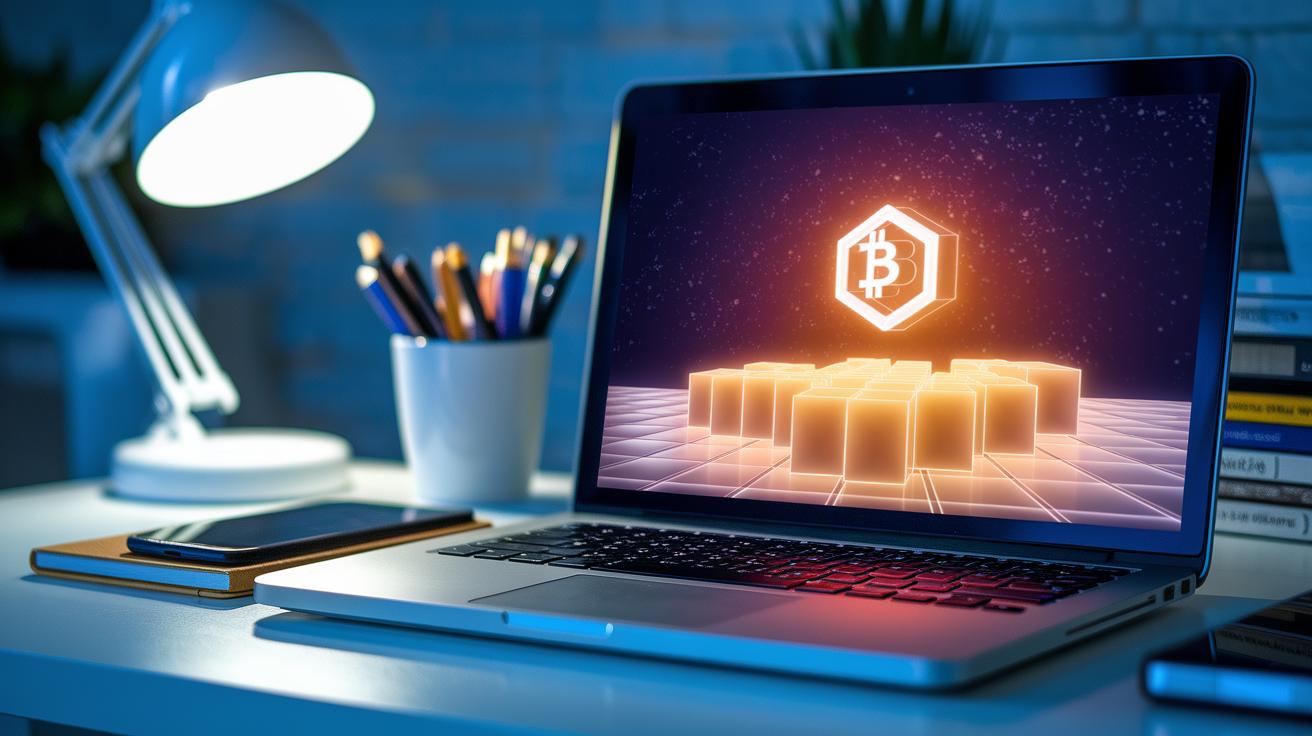
Smart contracts make it simple to automatically create secure digital tokens. They include preset rules that add details like ownership and metadata right when the token is made. Each token gets a unique code from strong computer algorithms that stop duplicates and guarantee its special status. This secure, one-of-a-kind creation builds a trustworthy system where every token is clear and tamper-proof. Plus, these smart contracts cut down on errors and speed up transactions, making them a core part of the NFT world.
Asset authentication protocols are just as important. They record a token’s history by keeping a detailed timeline of who owned it through on-chain checks. This lets buyers easily verify that a token is genuine without needing a middleman. With clear records, low transaction fees, and strong consensus methods, these steps keep digital collectibles authentic and reliable throughout their life. It’s all about building trust and transparency in an ever-growing market.
Comparing Top NFT Blockchains
NFT blockchains exist side by side, and each one brings something different to the table. Some focus on being truly decentralized with a solid smart contract system, while others emphasize super-fast processing and low fees. This range lets digital artists and collectors pick a block that fits exactly what they need, whether they want to build detailed token rules or just swap digital art quickly.
Ethereum
Ethereum kick-started the NFT movement with standards like ERC-721 and ERC-1155. These standards set up the playbook for most NFT art today. Its smart contract system is tried and true, which means developers can create detailed token rules using the Solidity language. But note that Ethereum only handles about 15 transactions per second. And during busy moments, minting an NFT can cost up to $50. Even so, its extensive support for digital collectibles keeps plenty of users coming back.
Polygon
Polygon builds on Ethereum to offer a faster and cheaper way to create and trade NFTs. In practice, it moves about 65 transactions each second, and minting an NFT often costs less than $1. Being an Ethereum layer 2 solution means it still benefits from Ethereum’s robust features, while giving users a smoother experience. This blend of speed and reliability makes Polygon a popular choice for creators who want efficiency without sacrificing security.
Solana
Solana is known for its blazing-fast speeds. It uses a mix of Proof of History and Proof of Stake, which simply means that it processes transactions very quickly and securely. Solana can handle up to 2,000 transactions per second, and the average cost to mint an NFT is around $0.01. This low fee and high speed make it a favorite for large digital art projects that need to scale impressively.
| Blockchain | Transaction Speed | Average Mint Cost | Unique Feature |
|---|---|---|---|
| Ethereum | ~15 TPS | Up to $50 | Robust smart contract ecosystem |
| Polygon | ~65 TPS | Under $1 | Ethereum layer 2 scaling |
| Solana | Up to 2,000 TPS | ~$0.01 | Proof of History innovation |
NFT Minting and Smart Contract Tokenization Processes

Minting is how a digital asset becomes a unique token by recording it forever on a blockchain, which is basically a digital ledger that keeps track of things. Think of it like turning your artwork into a special, tradable collectible.
Here’s how it works:
- Choose or design your digital asset.
- Write down its details, like the title and history, so it stands out.
- Connect your digital wallet and pick the blockchain you want to use.
- Use a smart contract (a piece of automatic software that runs when conditions are met) to start the minting.
- Send the transaction and confirm the fee, often called a gas payment.
Following these steps makes sure every NFT can be traced from its start to its future owners. The process relies on smart contracts to handle important tasks automatically. They assign the right details, set up rules for creator royalties, and put in place conditions for later transfers. Every time the token changes hands, those original rules stick, offering extra security and trust for both buyers and creators.
It helps to double-check all the details like titles, descriptions, and token IDs before minting. It’s also wise to watch the network conditions so you can make gas fee payments more efficiently. With a bit of care, you can keep costs down and keep the process smooth, turning great ideas into verified digital assets ready for trading.
NFT Marketplace Integration and Trading on Blockchain
Platforms like OpenSea pull information straight from digital record books (blockchain ledgers) to show you clear NFT details. They check on-chain metadata to display who owns a token and its history, almost like reading a digital fingerprint. By connecting directly to your wallet, these sites let collectors and creators check real-time data and place bids with ease. It’s a neat system that verifies an NFT’s background before letting you jump into a transaction. If you’re curious to see it in action, check out the link provided.
Trading works in a similarly smooth way. Whether you’re dealing with auctions, fixed-price sales, or even quick flips, smart contracts, automated digital agreements, handle the heavy lifting. They secure your funds in escrow until the trade is fully confirmed, ensuring that money and tokens only move with your go-ahead. Every transaction needs a wallet signature to prove ownership, which means your digital assets are safe and sound. In short, clear records and built-in digital protections help build trust among buyers and sellers, making digital asset trading as simple as chatting with a friend about a cool new art piece.
Regulatory and Future Trends in NFT Blockchain

Rules for NFTs vary a lot depending on where you are. This mix of different rules leaves both creators and buyers feeling uncertain. It can even lead to fraud and financial loss. Since there aren’t many strong consumer protection standards, investors often see big swings in NFT values, usually driven by online chatter rather than solid legal guidelines. Some experts even point to lively debates in discussions of global crypto regulation as a sign of what’s to come. Without one clear set of rules, everyone in the digital asset world has to be extra careful while the legal framework keeps changing.
New tech is coming in to change the NFT world and help fix these rule gaps. Cross-chain bridges, for example, make it easier for NFTs to move between blockchains. Plus, improved layer 2 solutions are lowering fees and speeding up transactions, making the whole process smoother. There are also new systems in the works to enforce royalties, which should help protect creators over time. All these improvements work together to build a safer, more efficient space for digital ownership while pushing the NFT market to grow even more.
Final Words
In the action of breaking down digital art and smart contracts, we explored how an nft blockchain shapes secure transactions and ownership records. We saw how token creation, authentication, and quick transfers support true digital asset trading. The comparison of different platforms gave a clear view of options, while the minting process and legal trends rounded out a full picture. This clear guide makes it easier to see smart strategies in a lively, ever-changing market. Stay positive and keep moving forward with smart choices.
FAQ
What is NFT blockchain?
The NFT blockchain refers to a digital ledger system that records transactions for unique digital assets. It uses decentralization to verify token authenticity, ensuring each asset’s record is secure and immutable.
How do NFT blockchain login and free access work?
The NFT blockchain login process lets users access digital platforms by connecting a crypto wallet and verifying their identity securely. Some platforms offer free sign-up options, allowing trial or basic access without fees.
What does NFT Treasure mean?
The NFT Treasure signifies a unique digital collectible with special traits or rarity. It represents a digital asset on the blockchain that collectors value for its distinct design and potential market demand.
What is an NFT blockchain wallet?
The NFT blockchain wallet is a digital tool used to securely store and manage NFTs and cryptocurrencies. It connects with blockchain networks to let users trade, view, and safeguard their digital assets.
What is the NFT blockchain app?
The NFT blockchain app is a mobile or web platform that simplifies managing and trading NFTs. It offers features like wallet access, marketplace browsing, and real-time updates on your digital collectibles.
What is NFT blockchain mining?
The NFT blockchain mining involves validating transactions and creating new blocks on the network. This process helps secure the blockchain and may provide rewards or tokens for participating miners.
How do you sign up for an NFT blockchain platform?
The NFT blockchain sign up process involves registering an account on an NFT platform, linking a crypto wallet, and verifying your identity. This setup enables participation in buying, selling, or minting digital assets.
Does the NFT blockchain pay real money?
The NFT blockchain pays real money through sales or trades when NFTs are exchanged on supported platforms. Profits convert into fiat currency via approved crypto exchanges or payment gateways.
How much does one NFT cost?
The cost of one NFT varies widely based on rarity, creator reputation, and market interest. Prices can range from a few dollars to thousands of dollars for highly sought-after digital assets.
Are NFTs a good investment?
NFTs can offer strong returns for some investors due to their unique nature and market trends. However, risks exist, so it’s smart to research thoroughly and consider them as part of a diversified portfolio.