
Ever thought about whether digital collectibles follow real trends? Experts are exploring this with simulation analysis in the NFT market. They mix broad industry numbers with details from each trade to show how even tiny transactions can make a big splash.
In this discussion, we look at two ways to understand the data, one from a top-down view and one from a bottom-up angle. Even little shifts might hint at bigger changes in a market that moves faster than most people expect. It’s pretty exciting how these rising trends can give you a fresh look at the hidden rhythms of the market.
Simulation Approaches for NFT Market Dynamics
Top-down simulation pulls its numbers from overall industry trends. Experts start by looking at major figures, like the jump from $100 million in 2020 to $25 billion in 2021, then a drop to about $4.8 billion a year by 2024. They use these big-picture stats to forecast trends, checking their work with other solid data sources. Fun fact: in one year, market values jumped 250 times before a big correction hit, showing just how wild digital assets can be.
Bottom-up methods dig into individual transactions. Analysts collect key details like floor prices, trade volumes, and liquidity stats across various parts of the market. Every digital asset, whether it’s an art piece on an NFT marketplace or a collectible in a gaming world, plays a part in the overall simulation. By piecing together these small interactions, experts can see how different players impact overall liquidity and price swings.
Agent-based models add an extra twist by mimicking independent players with their own strategies. These models take into account investor feelings and market psychology, offering a dynamic view of how things move in the NFT space. They mirror real-life decision-making and can capture the ripple effects of strategic trades. Isn’t it interesting how one smart move can send waves through the entire market?
Tools like crypto analysis platforms provide live data feeds and performance metrics to power these simulations. By blending top-down, bottom-up, and agent-based models, investors get a fuller picture of market behavior. In short, these methods help you gauge both risks and rewards in an NFT market that’s as energetic as it is unpredictable.
Key Data Variables in NFT Market Simulation Analysis
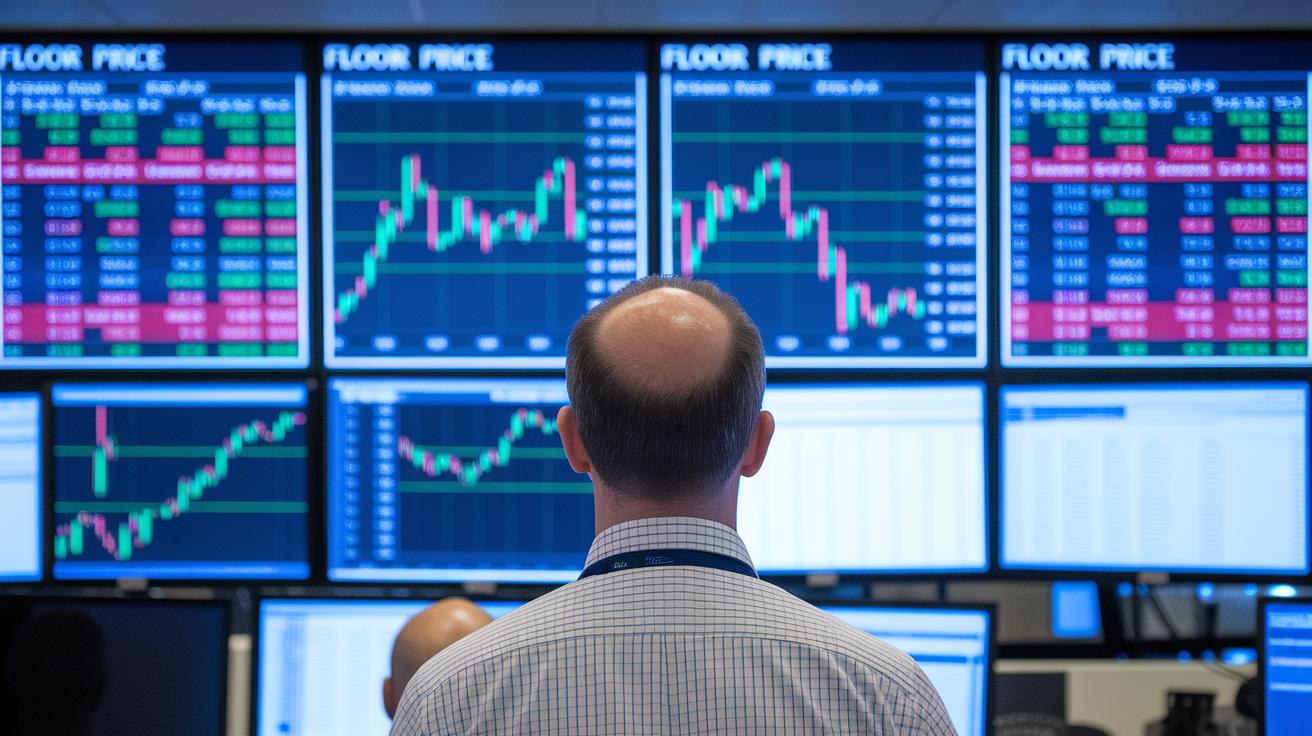
Accurate NFT market simulations depend on picking the right data. Experts watch many factors to figure out how NFTs might move. One big factor is transaction volume. For example, tracking the number of trades for digital art or in-game items helps predict how easy it is to buy or sell these assets and how their prices might change.
Floor prices are another key piece of the puzzle. They set a baseline that shows the market’s mood. Picture a rare digital artwork sold at a fixed price, while other, less well-known pieces trade for less. This simple number helps gauge overall market sentiment.
Trading activity also matters a lot. Simulations look at how often and how much trading happens. Quick bursts in primary sales can spark sudden demand, while trades in secondary markets tend to follow longer trends. Details like the difference between bid and ask prices and the average sale price help fine-tune these predictions.
It’s also important to break the market into segments. Primary market activities, like initial NFT mints, are different from later secondary market trades that keep the market alive. Plus, geographical differences add another layer. Regions such as North America, Europe, and Asia-Pacific each have their own cultural and economic vibes, which can lead to different trading and pricing patterns.
| Data Input | Impact |
|---|---|
| Transaction Volume | Liquidity |
| Floor Price | Market Sentiment |
Modeling Price Dynamics and Volatility in NFT Simulations
When we talk about NFT market simulations, the goal is to mimic the fast price swings and moments when prices seem to cluster together. For example, in 2021, the market cap hit around $25 billion, but by 2024, it dropped to $4.8 billion. This shows just how wild and unpredictable the market can be. These simulations borrow ideas from past trends, trading volumes, and the speed of transactions to help us guess what might happen next.
Smart contracts add an extra layer of interest. They let NFTs automatically pay a bit of royalty fee back to the creator every time they’re sold. This built-in feature can work like a cushion during dips or sometimes even push price changes further if sellers and buyers change their behavior because of these fees. Imagine this: before a fee hike, an NFT traded steadily, but then it shot up by 40% after the fee was programmed.
The simulation of volatility in digital assets blends basic statistical methods with the behavior of simulated investors who act like real people. It really comes down to looking at everyday trade details to capture the overall market vibe and sudden price jumps. In short, examining things like floor prices and bursts in trading activity gives us clues about where risks are and what might spike next in the NFT world.
Case Studies in NFT Market Dynamics Simulation

In digital asset markets, simulations tap into real-world data to mirror the true fluidity of trading. For example, one scenario recreates events on platforms like OpenSea, known for handling billions of dollars in trades every year and capturing about 60-70% of the market. These models also pay close attention to key collections like CryptoPunks and Bored Ape Yacht Club, which can drive up to 85% of peak activity. This method gives us a clear peek into how transactions shape overall liquidity and trigger price changes.
Another experiment dives into token market scenarios by using historical trade data to predict future trends. Analysts check how shifts in floor prices might inject energy into the market. Imagine a sudden drop in a floor price, these simulations help forecast how quickly buyers might seize the chance to pick up undervalued collectibles. By mixing past trends with simulated investor moves, these tests capture a realistic picture of digital market shifts.
Digital art funds offer another practical angle for simulation. With more than $2.8 billion managed and portfolio slices between 2% and 8%, these models help guide investor strategies to create well-rounded holdings. In one test, different fund tactics are tried out, from bold buying to a cautious, conservation-focused approach, to see how each performs when market liquidity changes. For instance, a fund that ups its exposure during quieter times might find that its asset values rebound later on.
By recreating these varied real-world scenarios for digital collectibles, experts gain valuable insights into how portfolios perform and how liquidity flows. These insights pave the way for more informed NFT investing strategies.
Tools and Platforms for NFT Market Dynamics Simulation
Simulation systems for blockchain trading are changing the game for NFT investors. These tools mix live market data with easy-to-read dashboards so you can see price movements as they happen. For example, live feeds from platforms like OpenSea and Foundation let you test your strategies on real trading info, making it much easier to fine-tune your approach to predicting prices.
Layer-2 scaling solutions like Polygon, Arbitrum, and Optimism help cut down on transaction fees. They update almost in real time, which means your simulations can keep up with the action as traders make their moves. Imagine a tool that factors in lower fees to capture a surge in buyers during busy times, it really shines a light on sudden market changes.
New analysis software is also stepping up its game by pulling together different data points such as trading volumes and floor prices. You might see a chart tracking floor prices minute-by-minute, giving you a clear picture of the market’s pulse. This mix of data helps you try out different scenarios and really understand how the digital asset market reacts.
Running these test simulations on real-time data helps you build a more dynamic and trustworthy system for predicting price trends. Enjoy exploring these insights as you navigate the fast-moving NFT world!
Interpreting and Visualizing NFT Simulation Insights

Advanced visual tools give us new ways to see simulation data that go well past regular charts and heatmaps. Instead of just rehashing floor price trends or trading volume numbers, try showing simulation results with fresh, interactive displays. Imagine a real-time dashboard that updates as new data rolls in, complete with clustering charts that group similar digital asset moves, kind of like a live map that shifts tokens when buyer feelings change.
Next, think about adding predictive overlays that mix current investor moods with simulation numbers. Simple color codes can tell you how much trust to put in the simulation results. For example, using color gradients might show the chances of different market outcomes so that you get a clear picture of potential risks in one glance.
Also, it might be useful to bring in machine learning outputs that hint at future market actions based on past trends. Picture a handy widget that warns you of possible market turnarounds as new data streams in. This extra layer of insight goes beyond what standard dashboards offer, giving you stronger clues to improve your digital asset strategy.
Future Advances in NFT Market Dynamics Simulation Analysis
AI-powered pattern recognition is opening up exciting new ways to simulate market trends. Imagine a tool that keeps an eye on blockchain activity and gives you real-time alerts, much like a weather app warning you about an approaching storm. By combining loads of transaction data with smart machine learning, this tool can catch trends that older models might miss.
VR-powered metaverse environments are another cool development. With these, you can step into a digital space where data comes alive. Picture a virtual room where you watch NFT values change on a live, interactive 3D dashboard. It’s a much more engaging experience than staring at static charts and graphs.
Improved on-chain analytics are set to make blockchain data even clearer. By tapping directly into live transactions, these tools offer detailed insights on trading volumes, prices, and liquidity trends. This kind of precise info is key for building better predictions and refining our simulation methods.
And with more big investors coming in and rules evolving, next-generation simulation systems are getting even smarter. As the market gets tougher, these tools will mix in regulatory details with advanced market data, offering a more complete picture of market movements. This means investors can forecast scenarios with greater confidence.
Final Words
In the action, we broke down simulation methods that explain NFT market behavior, from top-down and bottom-up models to agent-based approaches. We touched on key data inputs like trading volume and regional segmentation, and we looked at how smart contracts can shift pricing trends.
We also shared case studies and recommended tools that provide clear market insights. This discussion centers on nft market dynamics simulation analysis, giving investors a solid foundation to build on as they refine their digital asset strategies.
FAQ
Q: What simulation approaches are used for NFT market dynamics?
A: The simulation approaches for NFT market dynamics include top-down, bottom-up, and agent-based models that combine market data and simulation-driven insights to forecast trends, much like those seen on the nft marketplace (https://nftworthit.com?p=127).
Q: What key variables drive NFT simulation analysis?
A: The key variables in NFT simulation analysis are transaction volumes, floor prices, trading activity, and regional segmentation, which together help predict liquidity and price outcomes in digital asset markets.
Q: How do simulations model NFT price dynamics and volatility?
A: The simulations model NFT price dynamics by evaluating historical pricing trends, smart contract effects on royalties, and volatility clustering, offering clear insights into how market activity influences price fluctuations.
Q: What case studies illustrate NFT market dynamics simulation?
A: The case studies show simulation applications on platforms like OpenSea and popular collections like CryptoPunks and Bored Ape Yacht Club, helping investors see how predicted liquidity and trends align with real market behavior as seen in nft investing (https://nftworthit.com?p=119).
Q: What tools and platforms are best for running NFT market simulations?
A: The tools and platforms for NFT simulations include crypto analysis tools (https://gotocryptos.com?p=1341) and technical analysis software (https://nftcellar.net?p=1477), along with Layer-2 solutions that offer real-time market data via APIs.
Q: How can simulation insights for NFT market dynamics be interpreted and visualized?
A: Simulation insights are interpreted using time-series charts, trading-volume heatmaps, and scenario probability distributions, which together present a clear visual dashboard of key market trends and dynamics.
Q: What advancements are expected in NFT market dynamics simulation analysis?
A: Future advancements in NFT simulation analysis involve AI-driven pattern recognition, VR-enabled market scenarios, and enhanced on-chain analytics that will improve accuracy and help forecast evolving digital asset trends.