
Did you ever notice how digital art trading can change so fast? NFT transaction volumes, that is, the trade of unique digital items, can drop by over 80% in just a few years. It might sound wild, but the numbers show us a real story of shifting trends.
Big names like major companies and museums are stepping in to support digital art. They’re moving away from a time when things were all about wild speculation. Instead, they're backing ideas that have real value.
In this piece, we break down what’s happening in the NFT space. We’ll look at important numbers and trends that show how spending habits and market moves are changing. It’s pretty cool to see how fresh ideas in digital art are reshaping the market.
NFT Innovation Impact Analysis: Market Overview & Key Metrics
Transaction volumes shot up to $25 billion in 2021, but by 2024 they dropped to about $4.8 billion per year, an 80% decline that shows the market is shifting away from pure speculation. The market cap had a similar roller coaster ride, climbing from $100 million in 2020 to $25 billion in 2021 before sliding down to $4.8 billion by 2024. Crazy, right? It’s wild to see such a jump before things settled.
Institutional money has really boosted trust in digital assets. Museums like MoMA are now proudly showing off digital collections, including CryptoPunks, and Fortune 500 companies have boosted their digital art budgets to $380 million in 2024. Their art budgets climbed from just 2% to 15% in just a few years. Plus, art funds are managing more than $2.8 billion, showing that this is more than just a flash in the pan.
Market trends reveal some cool insights too. During stable times, digital art tends to move about 35% in line with traditional art. But when crypto markets get volatile, that correlation jumps to around 85%! Big platforms like OpenSea, which hold 60–70% of the marketplace share, are key players in this digital shift. Curious to dig deeper into market cap trends? You might want to check out the analysis on NFTWorthIt's website.
The table below offers a clear look at the key metrics from 2021 and 2024, covering transaction volume, market cap, institutional spending, and market correlation:
| Metric | 2021 | 2024 |
|---|---|---|
| Transaction Volume | $25 Billion | $4.8 Billion |
| Market Cap | $25 Billion | $4.8 Billion |
| Institutional Spend | Low% of budgets | $380 Million |
| Market Correlation | ~35% | ~85% |
NFT Innovation Impact: Industry Case Studies
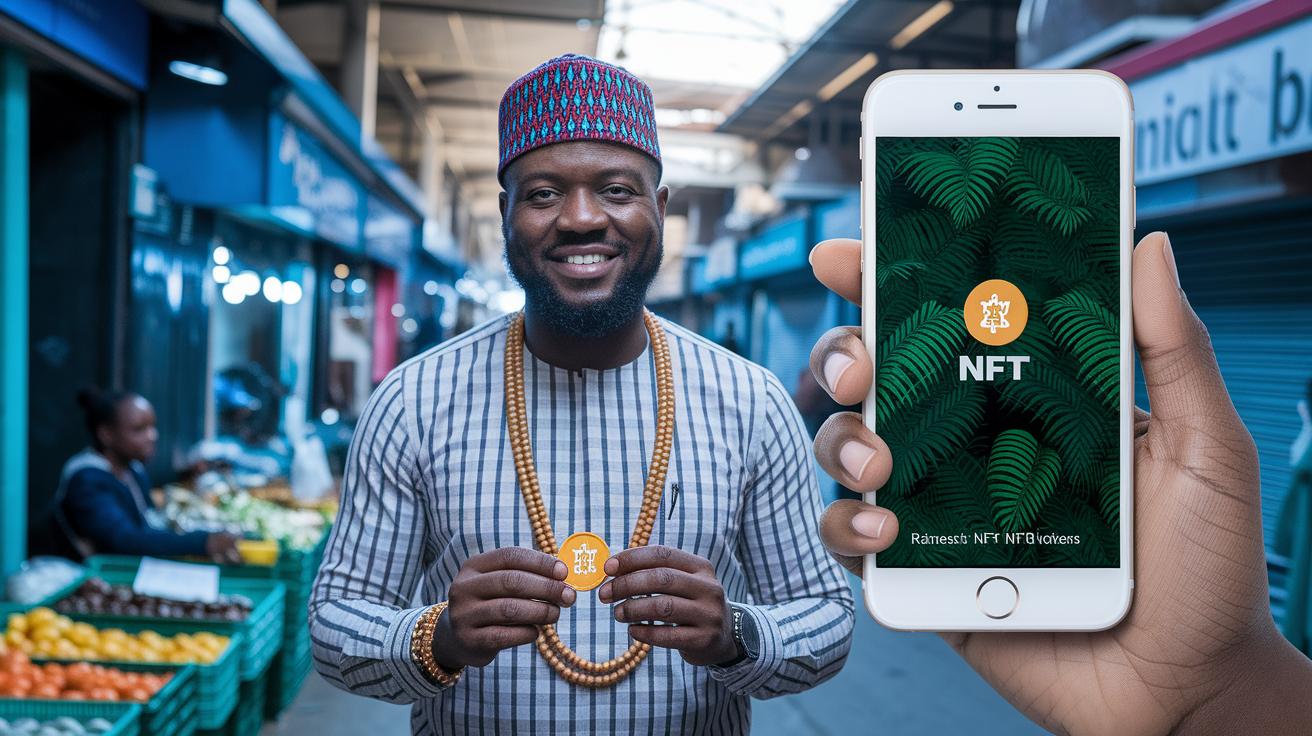
Nigeria’s Krowd Power NFTs show how digital collectibles can help fund community projects. These tokens give local businesses a real boost by supporting entrepreneurs. One local business owner said, "Investing in Krowd Power opened up new opportunities for me, showing that art and commerce can create real change."
In Brazil, the Moss Amazon NFT gives investors a simple way to help protect the rainforest. With token-backed carbon credits, collectors can support nature while owning a digital asset. One collector shared, "I never imagined my digital asset could help save the Amazon, it's a rewarding mix of profit and purpose."
Blazed Cats mixes art with charity by donating 10% of every NFT sale to Mental Health America. This idea proves that art can change lives, not just inspire excitement. One collector remarked, "Owning a Blazed Cat feels like being part of something bigger than just art, it’s about giving back."
The Gents Club offers a cool twist with its exclusive collection of gentleman-themed NFTs. Operating like a membership club, it creates a subscription-based model that supports good causes. One member noted, "Being part of The Gents Club links me to a network that supports meaningful causes every day."
- Nigeria’s Krowd Power NFTs
- Moss Amazon NFT (Brazil)
- Blazed Cats philanthropic model
- The Gents Club membership network
These case studies remind us that tokenization can make a real impact. They drive social, environmental, and charitable change while building steady revenue. Isn’t it amazing how digital assets can lead to a better world?
NFT Innovation Impact Analysis: Technology Drivers
Automated Royalties & Programmable Ownership
Smart contracts change the game for creators by automatically ensuring they get paid every time their work is sold again. Imagine a vending machine that always delivers change; whenever a digital token is traded, the contract instantly sends the artist their share. This clear system cuts out confusion and fraud, giving creators a steady revenue stream. One collector even remarked that every token sale feels like supporting a local artisan, it’s fair and transparent, building trust among both artists and investors.
Layer 2 Scaling & Environmental Efficiency
Layer 2 solutions like Polygon, Arbitrum, and Optimism help relieve network jams and speed up transactions. They can lower fees by up to 90%, making it easier for more people to join in without worrying about steep costs. Think of it like paying just a little extra for a smoother ride in digital trading. Plus, these solutions use less energy, which is kind to the planet. One user summed it up nicely, saying that these tools make trading smart for both your wallet and the Earth, pushing the market toward greener practices.
AI & Generative Art Platforms
Platforms using AI to create art, such as Art Blocks, have generated over $1.2 billion in sales. This blend of technology and creativity speeds up how art is made, ensuring collectors always have a fresh mix of unique pieces to choose from. It’s almost like watching art come alive with a digital twist. The steady growth of these platforms shows that when art and algorithms team up, it sparks new revenue streams and builds a thriving community around digital collectibles.
NFT Innovation Impact Analysis: Economic & Regulatory Implications

Evolving Securities & Tax Frameworks
The world of digital assets is shifting fast as tax rules and securities definitions change. New guidelines, like those explaining crypto capital gains tax, offer different views that make following rules across countries trickier. Everyone involved now has to adjust to new legal takes and unique tax requirements. Fun fact: Before these changes came in, many investors didn’t realize that even a small tweak in tax rules could shake up huge NFT trades.
Institutional Investment & Governance Models
Big institutions are now paying closer attention to how things are run and the steps taken to manage risk. Smart internal controls and secure custody solutions are key to protecting investments and keeping trust high. It’s like fine-tuning an engine, every part, from risk checks to compliance, needs to work together smoothly to keep funds safe. Now, the focus is on sharpening these processes instead of just relying on old spending habits.
Sustainability & Platform Regulation
Our environment is also in the spotlight as tougher eco rules reshape market moves. New regulations are pushing platforms to adopt energy-saving methods, which is leading to more use of proof-of-stake systems and carbon-neutral blockchain setups. For example, some big players have shifted to greener blockchains because of these stricter standards, clearly moving toward a more sustainable way to handle digital assets.
NFT Innovation Impact Analysis: Future Trends & Forecast
Imagine walking into a digital art gallery where augmented reality blends seamlessly with NFT collections, a sneak peek into how future trends are changing our art experience. With just one swipe on your smartphone, you can explore a digital exhibition that mixes tech and art in a way we've never seen before.
Advanced analytics and simple AI tools are now guiding investors. They help adjust digital art investments between 2% and 8% to handle market ups and downs. It’s like having a smart buddy watching the market shifts so your portfolio stays balanced even when crypto trends fluctuate a lot.
Layer 2 solutions are really stepping into the spotlight by slashing transaction fees by over 70% and reducing energy use. This smoother trading process makes digital art more accessible and might help digital art funds grow past $3.5 billion by 2026 as rules clear up and the market matures.
Looking ahead, token innovation is set to bring together creative tech and steady growth. With clearer regulations and better tech integration, digital asset trends show real promise for building more sustainable and rewarding investment models in digital art.
Final Words
In the action, we explored key shifts in digital asset markets, tracking changes in transaction volumes and market caps. We broke down how smart contracts, Layer 2 scaling, and real-world case studies are influencing investment choices. We looked at economic and regulatory moves that are shaping portfolios and risk control. Our nft innovation impact analysis highlights emerging tools that support savvy digital strategies, leaving room for continued growth and practical decision-making. Stay ready to build a brighter path in digital investments.
FAQ
Q: What does NFT innovation impact analysis 2022 show?
A: The NFT innovation impact analysis 2022 shows shifts in transaction volumes, market capitalization, and institutional adoption, highlighting a peak in 2021 with a significant decline and stabilization pattern as the market matured.
Q: How can I access a free NFT innovation impact analysis PDF?
A: The free NFT innovation impact analysis PDF compiles key market metrics, case studies, and technology drivers in a ready-to-use format, helping both newcomers and experts quickly reference essential data for informed decisions.