
Ever wonder if getting into crypto is just like gambling? It’s not about luck. Instead, it’s all about making smart moves to keep your investments stable even when the market takes a dip.
Think of it like spreading your eggs out in different baskets. By having a mix of trusted coins and fresh opportunities, you protect yourself from sudden drops. In this blog, we chat about how bold choices paired with careful strategies can turn risk into reward. So, if you’ve ever thought that crypto was just a game of chance, stick with us to see how a solid plan can lead to lasting success.
Crypto Investing Strategies: Bold moves for success

Spreading your money out is a top tip in the crypto world. Instead of putting every dollar into one coin, try investing in a mix of digital assets. This way, if one coin dips, the others might help keep your portfolio on track. It’s a bit like not putting all your eggs in one basket. One practical idea is to invest $50 every week, no matter what the market's doing, and slowly build a balanced fund.
Investors usually fall into one of three groups.
- Some play it safe by sticking with well-known coins like Bitcoin and stablecoins, focusing on protecting their money.
- Others mix it up by combining trusted coins with newer projects, aiming for steady growth while still catching some good opportunities.
- And then there are the bold ones who dive into speculative altcoins, hoping to catch quick market moves even though it comes with more risk.
Simple strategies like Dollar-Cost Averaging and HODLing are key to riding the crypto waves. Dollar-Cost Averaging means you put in the same amount of money at regular times, which helps smooth out the highs and lows of the market. HODLing is about holding on tight through the ups and downs, with the hope that your investments will pay off in the long run. By using these methods, you can stay flexible and be ready no matter which way the market swings. Plus, regular check-ins and rebalancing your portfolio are smart moves to make sure your investments keep in line with your goals.
Long-Term Crypto Investment Methods for Steady Growth

DCA stands for dollar-cost averaging, which is a simple way to invest a set amount regularly, like putting in $50 for Bitcoin and $30 for Ethereum every week. This method helps smooth out the market's ups and downs, so you don't have to worry about timing your investments perfectly. Just set a reminder every Monday and check your strategy every few months to see how things are going.
HODLing, on the other hand, means you stick with your crypto through all the market's twists and turns. Imagine holding onto Bitcoin until it reaches a big milestone, like $1 million per coin. It's a bit like keeping a good stock for a long time, where the focus is on steady growth rather than quick wins.
Try this simple routine:
- Invest a fixed sum every week
- Mark your calendar to remind yourself
- Review and adjust your plan now and then based on the market
Using these approaches with a little planning and regular check-ins can help build a solid crypto portfolio over time while reducing the stress of short-term market swings.
Short-Term Currency Trading Strategies in Crypto Markets

Quick trades let you seize fast opportunities. Active swapping means buying when a token's price drops for a short time and selling when it rises, whether that’s in hours, days, or even weeks. Imagine spotting a sudden drop, snapping up a token, and then watching its value shoot up. It’s a bit like catching a bus right before it speeds away.
Day trading digital assets means you need to watch the market closely, act quickly, and use stop-loss orders to manage risks. It’s like being in a busy marketplace where you have to snap up the best deal. One trader might say, "I watch my screen non-stop, ready to buy at a slight dip and sell as soon as I see a gain." You can check out more crypto trading ideas here: https://nftworthit.com?p=101
Scalping in crypto is all about grabbing many small wins fast. It usually involves tons of trades, taking advantage of tiny price gaps and active markets to nab little gains over and over. When done right, these small wins add up. But remember, scalping needs great timing and a sharp eye for market activity.
Risk control is a must in these fast trades. Here are some simple steps to help:
| Step | Action |
|---|---|
| 1 | Set clear stop-loss orders |
| 2 | Watch the market volume and price gaps |
| 3 | Stick to your plan for entering and exiting trades |
| 4 | Use leverage carefully to manage risks |
Using leverage can boost profits, but it also ups the risk. That’s why strict controls are essential. Balancing these trades with regular market checks helps you see the difference between short-term trading and long-term investing. Staying focused on risk control makes fast trading both exciting and manageable, even in a wild crypto market. For more on this, visit: https://gotocryptos.com?p=995
Crypto Diversified Asset Techniques to Manage Digital Risk
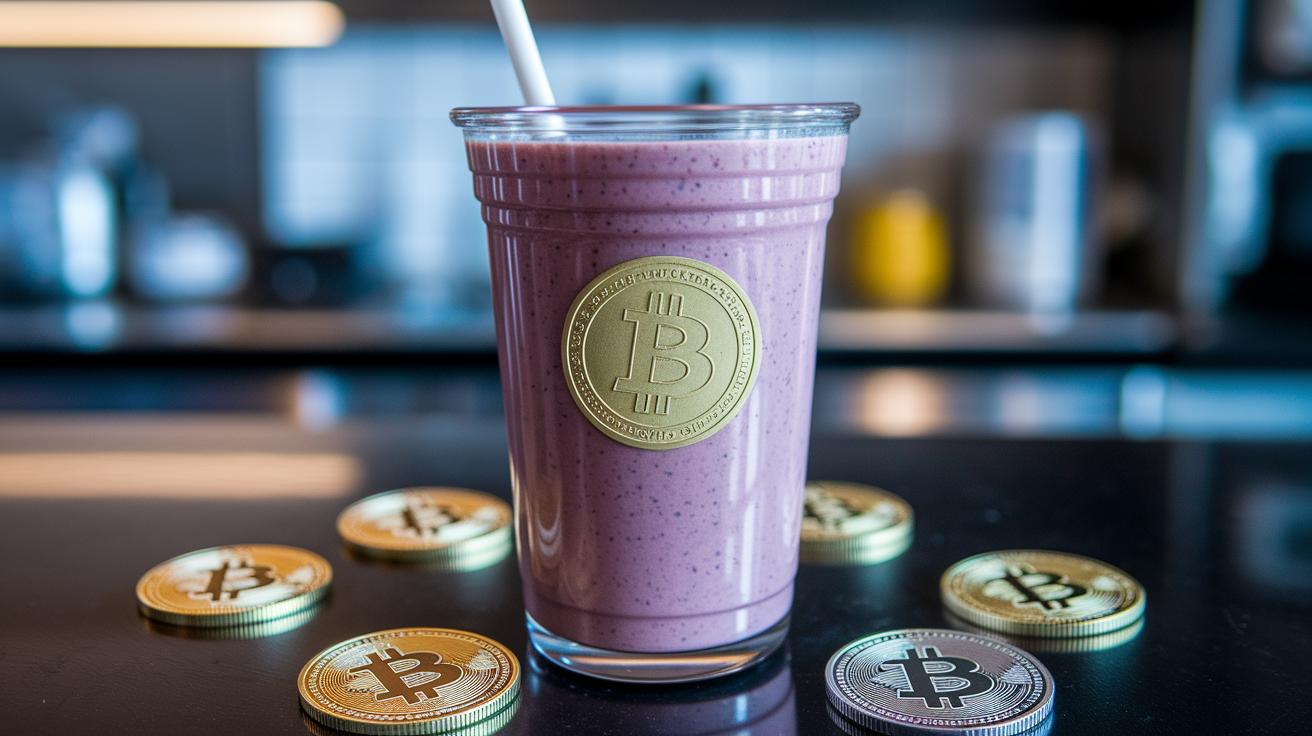
Diversifying your crypto investments is like putting together a healthy smoothie. You mix top coins such as Bitcoin and Ethereum with DeFi tokens, stablecoins, and even NFTs. Each part helps lower your risk and boosts growth over time. Imagine a balanced meal, too much sugar can throw off the meal just like too much of one asset can upset your portfolio. Stable options work like lean proteins, keeping everything steady.
Investors often fall into three groups based on their risk comfort. Cautious investors usually play it safe by putting about 80% in Bitcoin or stablecoins and devoting 20% to solid blue-chip altcoins. Those with a moderate approach tend to split their investments roughly into 50% BTC/ETH, 30% in newer projects, and 20% in stablecoins. Then there are the daring ones, who might only allocate 15% to BTC/ETH, invest 70% in speculative altcoins, DeFi, or NFTs, and keep 15% in stablecoins to protect against surprises.
| Risk Profile | BTC/ETH (%) | Emerging/Special Assets (%) | Stablecoins (%) |
|---|---|---|---|
| Cautious | 80 | 20 (blue-chip altcoins) | 20 |
| Moderate | 50 | 30 | 20 |
| Daring | 15 | 70 (speculative assets) | 15 |
Cautious investors stick to safe bets with heavy BTC and stablecoin leanings. Moderate investors enjoy a mix of tried-and-true coins and fresh projects. And daring investors are all about chasing that big upside with more speculative choices.
Market Analysis and Timing Strategies for Crypto Entries

Here's how you can dive into crypto market timing with a steady and friendly approach.
Start your research by checking out a token’s white paper to understand what it does, how useful it is, and which blockchain technology backs it up. Take a moment to look at the founders’ backgrounds and see if they have a solid track record. I usually say, "I always check if the team has delivered on their promises before I put my money in." This simple homework lays a strong groundwork for your choices.
Next, turn to technical tools that help decide when to jump in or pull out. Tools like moving averages, RSI (which roughly shows how fast prices change), or candlestick charts can really help you see what the market is up to. Many charting websites provide live data that makes it easier to spot the best times to buy when prices are low, or sell when they seem too high. These insights let you ride the market’s natural rhythm.
It’s also key to feel out the market’s mood. Look at past price cycles, check trends in trading volume, and see how much activity there is on the blockchain for coins like BTC, ETH, or SOL. Even tracking the number of active blockchain addresses can reveal shifts in investor interest. For example, the Fear & Greed Index gives a score from 0 to 100, showing whether the market is cautious or a bit overly excited.
| Step | Description |
|---|---|
| 1 | Read the white paper to understand the token’s purpose and utility. |
| 2 | Check the founders’ past performance and reliability. |
| 3 | Look into on-chain liquidity and trading volume trends. |
| 4 | Monitor growth in active blockchain addresses. |
| 5 | Examine historical price cycles for trend clues. |
| 6 | Use the Fear & Greed Index to gauge overall market sentiment. |
Using these six steps can help you plan your crypto moves with more confidence in this ever-changing market.
Advanced Cryptocurrency Tactics: Leverage, Derivatives, and Automation

Margin trading lets you make bigger moves by borrowing funds to boost your trade size. But remember, using leverage can increase both your gains and your risks. For example, someone might say, "I used 2x leverage to double my gains and set strict loss limits to protect myself."
Futures and options are handy tools whether you’re hedging against price swings or taking a speculative bet. Futures let you agree on a price today for a trade in the future, which can help protect you from sudden market shifts. Options, on the other hand, give you the choice to buy or sell without a full commitment, limiting your potential losses while still keeping you in the game. It’s a bit like locking in a price for something big so you’re safe if prices suddenly change.
Automated trading bots jump in to capture opportunities when you’re not watching the market. These bots can nab small profits or take advantage of price differences between exchanges by following preset risk rules like stop-loss and take-profit points. One trader shared, "I set my bot to exit a trade if the loss hit 3%, and it really helped keep my balance steady."
Some best practices for these tactics include setting clear stop-loss and take-profit levels, regularly reviewing your risk settings, and testing bots in controlled environments before making large trades.
In short, combining leverage, derivatives, and automation offers bold ways to grow your crypto strategy, as long as you manage your risks carefully.
Bear and Bull Market Crypto Approaches for Resilience and Profit

When the crypto market drops, shifting your investment to stablecoins or big-name coins like Bitcoin can help keep your money safe. For instance, many investors move their funds to Bitcoin or well-known altcoins during these downtrends because these assets usually don’t jump around too much. Using stop-loss orders, which automatically sell your asset at a set price, can also help prevent a small loss from turning into a big one.
When the market is doing well, you might want to put more money into up-and-coming altcoins to try and earn higher returns. Many investors even take some profits along the way to lock in gains and lower their risk. Keeping some safe-haven assets like Bitcoin or stablecoins tied to gold can also work as a shield against rising prices, giving you a nice balance between the excitement of new tokens and the reliability of proven ones.
- Move funds into stablecoins and major coins during downtrends
- Use stop-loss orders to guard against steep drops
- Add emerging altcoins when the market is rising
- Take profits regularly to secure your gains
- Hold safe assets as a hedge against inflation
Final Words
In the action, we've broken down key crypto investing strategies to guide your portfolio. The post covers long-term methods like DCA and HODLing, alongside short-term trading tactics such as day trading and scalping. It explains smart asset allocation to handle digital risk and introduces market timing techniques supported by solid analysis. Advanced tactics and methods for both bear and bull markets round out this clear approach. Stay confident as you build your strategy and let smart moves pave the way for positive gains.
FAQ
What effective crypto investing strategies are discussed on Reddit and elsewhere?
The guidance on crypto strategies includes using dollar-cost averaging, building a diversified portfolio, and managing risk carefully. These methods suit both beginners and experienced investors by smoothing market ups and downs.
How much should I invest in crypto per month?
The advice on investing monthly suggests only putting in funds you can afford to lose. Gradually increasing exposure while regularly assessing your financial comfort and risk helps build experience and confidence.
What are the top reasons to invest in cryptocurrency?
The reasons often include potential growth, the chance for portfolio diversification, and a hedge against traditional markets. These points highlight why many investors look to crypto as a way to balance their assets.
How can I invest in Bitcoin and make money?
Investing in Bitcoin profitably involves methods like dollar-cost averaging and long-term holding. These approaches can help smooth price volatility and give your investment time to grow over market cycles.
How do I invest in Bitcoin through Schwab?
Investing in Bitcoin via Schwab typically means using investment vehicles like ETFs that track Bitcoin rather than buying it directly. This provides regulated access while managing exposure in your traditional investment account.
Which is the best cryptocurrency to invest in today?
Many discussions point to leading coins like Bitcoin and Ethereum as solid choices, though the best option depends on your risk profile and market trends. Look at your goals and do thorough research.
What is considered the best crypto investing strategy?
The best strategy often combines long-term holding with periodic rebalancing. This mix helps manage risk while taking advantage of market cycles, fitting varying levels of risk tolerance.
Can crypto trading earn me $1,000 a month?
Earning $1,000 monthly with crypto trading depends on your expertise, strategy, and market conditions. Success may require active trading, strict risk controls, and the willingness to face high volatility.
What is the 30-day rule in crypto?
The mention of a 30-day rule usually refers to holding periods that affect tax calculations or help investors assess market trends over a month. It sets a basic timeframe for evaluating trading performance.
What if I invested $1,000 in Bitcoin 10 years ago?
Investing $1,000 in Bitcoin a decade ago would likely have brought high returns thanks to major price increases over time. This scenario highlights how early, long-term positions can benefit from crypto’s growth.
What do platforms like Coinbase, Binance, eToro, Blockchain.com, Bybit, and Crypto.com offer?
Each platform offers different tools for buying, trading, and managing cryptocurrencies. They cater to various investor needs with different fee structures, supported assets, and levels of security, providing users with options that suit their trading style.