Have you ever wondered what happens when digital tokens run up against real laws? It’s like owning a rare collectible card and then finding out there’s a dispute about who really holds the rights. Issues with smart contracts, those are computer-based agreements, and divided ownership are making experts question old rules. These legal challenges might seem tough, but they’re also opening doors to a fairer digital world. Let’s take a closer look at how this could shape the future of digital assets.
Addressing Key NFT Market Legal Challenges
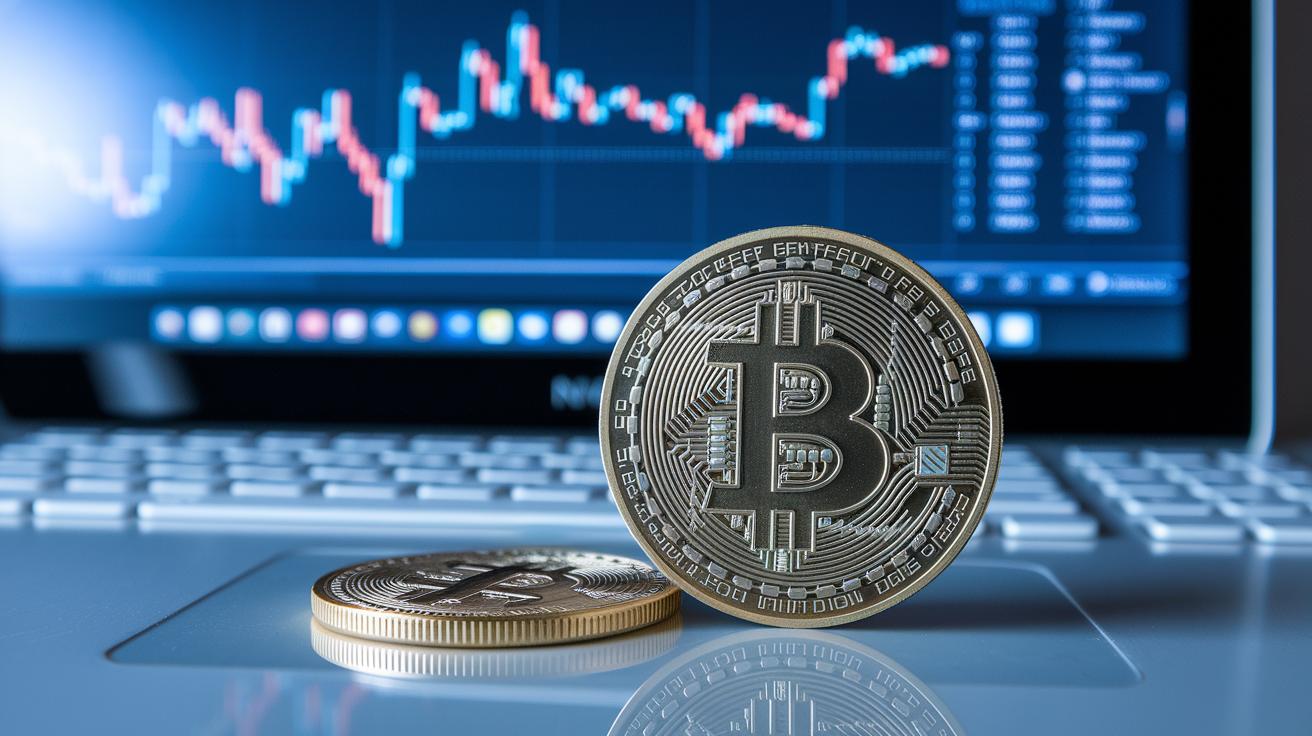
NFTs are special digital tokens stored on a blockchain, a digital ledger that keeps a permanent record. They follow standards like ERC-721 and ERC-1155, which help show who owns each digital asset. But here’s the twist: owning an NFT means you have a confirmed record of ownership, while the copyright of the original piece still belongs to the creator. Imagine it like having a digital trading card; you own the card, but the artist still holds the rights to the art. This difference sparks many legal debates around digital assets.
Smart contracts work like built-in digital agreements that log every creation and resale. They make sure there’s a clear trail of ownership and even set up rules for creator royalties. Courts are still figuring out how legally binding these code-based agreements really are, as interpretations can differ by region.
Then there’s fractionalized NFTs, a practice where a single NFT is divided into several parts. Think of it like sharing a pizza; each slice might be treated like a mini investment. This raises questions about whether these parts should be viewed like traditional securities, which adds another layer of complexity.
On top of that, risks of fraud and uneven verification standards (like KYC and AML checks) keep regulators and investors on their toes. Sellers might sometimes exaggerate what rights come with a token, leaving buyers vulnerable to issues later on. With rules varying widely by region, it’s a challenging legal landscape that demands careful review and adherence to new guidance as the market evolves.
NFT Regulatory Landscape Across Jurisdictions
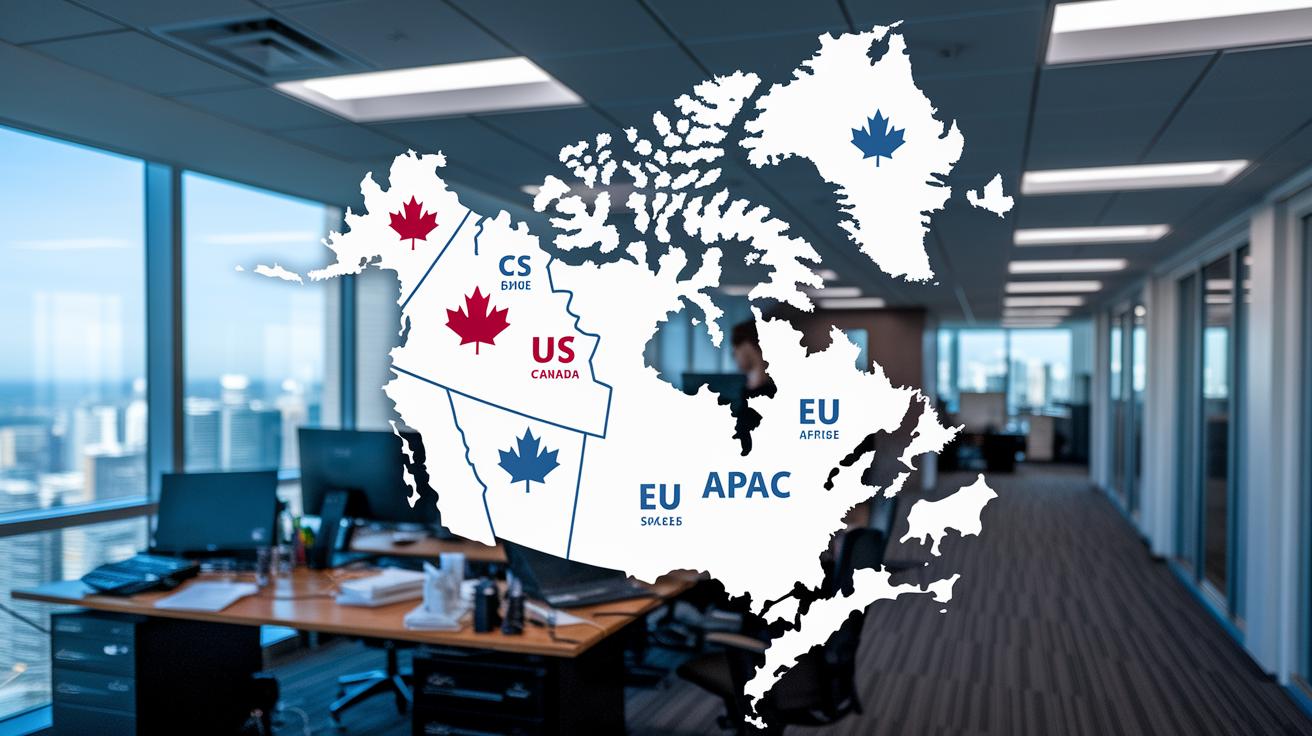
Rules for NFTs really change depending on where you live. In Canada, for example, some NFT offerings are treated like securities under a notice from the Canadian Securities Administrators. In the United States, it's still unclear if NFTs should be judged by the Howey Test, so many platforms follow guidelines from FINRA on their own. Over in the EU and Asia-Pacific, new rules are in the works, like the EU pilot regime under MiCAR and emerging token frameworks in Asia-Pacific. This mix of rules means both investors and creators have to stay updated on local laws.
| Jurisdiction | Regulatory Approach | Key Provisions |
|---|---|---|
| Canada | Securities Notice | Prospectus filings or exemptions needed for some NFT offerings |
| USA | Unsettled under securities laws | Assessed under the Howey Test with some self-regulation |
| EU | Pilot regime under MiCAR | Rules are being developed for clearer token regulation |
| Asia-Pacific | Evolving framework | Different regions are introducing new token rules |
Because of these differences, NFT creators and buyers need to keep a close watch on the rules in their area to avoid any surprises. In places where NFTs are like securities, you might face extra filing needs and more oversight. In other regions, the rules might be more relaxed, letting innovation flow more freely. All these patchwork rules can really change how you invest or manage risk based on where you are. It's a good idea to regularly check how new policies might affect your NFT transactions.
NFT Market Intellectual Property and Copyright Challenges
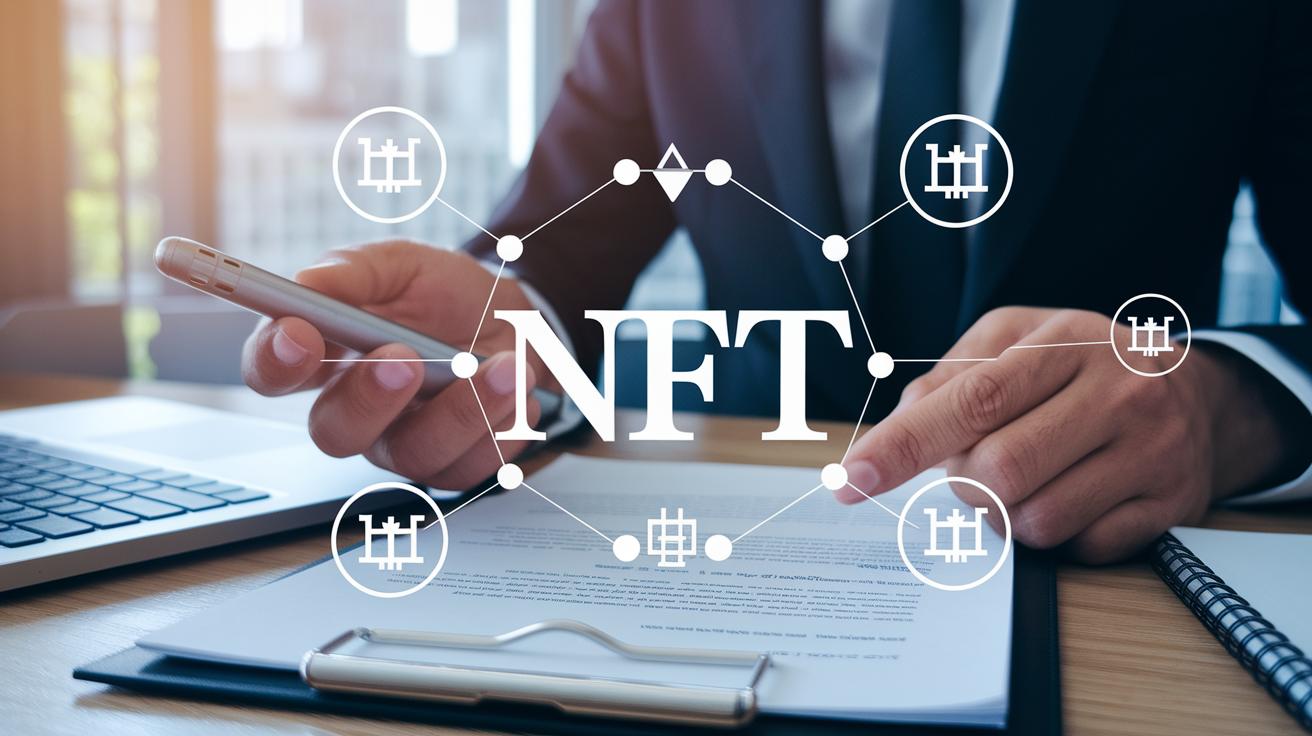
NFTs are great for showing who owns a digital item because all transactions are recorded on a blockchain. However, owning an NFT doesn't automatically give you all the rights to the digital work. In other words, buying an NFT doesn't mean you own the artwork completely, the creator still holds the legal rights unless they specifically hand them over to you. Plus, when someone mints an NFT without proper permission, it can lead to legal claims of copyright infringement. This mix-up between digital ownership and intellectual property rights often sparks disputes that affect both creators and collectors.
The unclear language in smart contracts about IP rights adds to these issues. Buyers might be surprised when the NFT doesn't come with the full rights they expected. Since the artist still controls the underlying artwork, disagreements about how the work can be used, reproduced, or resold keep popping up. This ongoing confusion pushes market players to work on clearer guidelines so that transactions go smoother and legal fights become less common.
- Copyright infringement by unauthorized minting
- Disputes over moral and personality rights
- Trademark and logo misuse within NFT metadata
- Conflicts when secondary market royalties bypass IP owners
- Licensing ambiguity in smart contract terms
- Challenges verifying provenance and authenticity
Smart Contract Liability in the NFT Market
Smart contracts are computer programs that automatically execute deals on the blockchain (a digital ledger). They lock in agreements without the need for middlemen. But sometimes a small mistake in the code or unclear rules can put creators, buyers, and platforms at risk. Think of it like a glitch in a vending machine that gives you the wrong snack. Even tiny errors can lead to lost money or hard-to-fix disagreements.
Whether these contracts hold up in court depends on if judges accept them as real deals. Right now, U.S. and EU courts haven’t set many rules, so cases about failed token launches or botched royalty splits are just getting started. With few clear guidelines, everyone from developers to users is in a bit of a gray area. As these disputes grow, many in the market are working to make the language clearer and push for rules that protect everyone involved.
Regulatory Compliance and Fraud Risks in the NFT Market

Fraud in the NFT world often happens when sellers don’t give you the full truth about what you’re buying. Sometimes they exaggerate how authentic a token is or hide important details about its intellectual property. When buyers later find out the token isn’t what was promised, they might face legal trouble. Plus, loose rules on things like AML (Anti-Money Laundering) and KYC (Know Your Customer) can open the door to shady money moves.
To tackle these problems, many are now using stricter checks and clearer ID verifications. Businesses are putting money into better systems that dig deep into token details to catch any misleading info. For instance, one platform now asks for extra paperwork for high-price tokens. They advise, “Before buying a high-value digital token, check if the intellectual property rights are clearly explained.” This balanced method helps clear up legal questions while keeping up with new rules, making it safer for everyone in the NFT market.
Cross-Border NFT Market Jurisdictional Challenges
NFT sales often involve buyers and creators from different countries, which can make it tricky to figure out which country's rules apply. Since there isn’t a single set of international guidelines, enforcing rights related to intellectual property and contracts becomes a real puzzle when parties are spread across the globe. It’s not uncommon for buyers and sellers to face conflicting standards that leave them wondering where to turn when disputes arise. This lack of clear direction can make investors uncertain about who is responsible if legal issues pop up.
On top of that, the mix of various local laws creates extra hurdles for settling disputes across borders. Consumers might find themselves caught between systems that offer uneven protection and oversight, often leading to delays and higher legal expenses. These complications can shake confidence in international NFT transactions. Clearly, there’s a strong need for global cooperation to set up clearer rules and better safeguard digital asset rights. Keeping an eye on new legal trends could be key to smoother cross-border dealings in this fast-evolving market.
Emerging Legal Precedents and Reforms in the NFT Market
Recently, courts in the US and Europe have set new rules for NFT disputes. They are taking a close look at cases where smart contracts had coding errors and where there were mix-ups over intellectual property. For example, one case involved a platform with faulty code that led to wrong royalty payments, prompting a closer look at how clear these contracts should be. This is helping to clear up confusion around digital agreements. Judges are slowly building a guide that could shape how future disputes in digital assets are resolved.
Lawmakers are also stepping in, suggesting changes to securities laws and how we define digital assets to explicitly include NFTs. Meanwhile, industry groups are working on fair rules that cover marketplace responsibility, consumer rights, and proper royalty practices. One new idea is testing whether clearer guidelines could mean fewer arguments between creators and buyers. All these efforts show that we could soon see stronger and more consistent rules in the NFT market, creating a safer space for digital investments.
Final Words
In the action, we explored the core areas shaping legal views on NFTs, from the way digital ownership works to smart contract and intellectual property complexities. This post looked at how varying jurisdictions handle regulation, compliance, and emerging legal reforms.
The discussion tied together risks like fraud and cross-border challenges with risk management practices amid nft market legal challenges. It all paints a picture of a dynamic space ripe with opportunity and evolving legal insight.
FAQ
Q: NFT market legal challenges 2022
A: The NFT market legal challenges 2022 involved evolving regulatory standards, issues with ownership versus intellectual property rights, smart contract risks, and fraud concerns that pushed market players to consider better compliance and risk management.
Q: NFT market legal challenges 2021
A: The NFT market legal challenges 2021 raised questions about smart contract reliability, ambiguous IP rights, and inconsistent compliance practices, leaving creators and buyers to navigate a mostly unregulated digital asset environment.
Q: What is the biggest problem with NFTs?
A: The biggest problem with NFTs lies in unclear intellectual property rights and smart contract enforceability, which can lead to ownership disputes and expose buyers and creators to legal and compliance risks.
Q: Is NFT legal or illegal?
A: NFTs are legal digital assets, but their use exists in an area with unsettled regulations. Legal issues typically stem from misrepresented rights or fraud rather than the tokens themselves being unlawful.
Q: What has happened to the NFT market?
A: The NFT market has experienced rapid growth alongside a mix of legal challenges such as IP disputes and smart contract flaws. This has pushed industry stakeholders to adopt evolving practices for risk mitigation and clearer compliance.
Q: What happened to NFTs in 2025?
A: The developments in NFTs in 2025 suggested that regulatory frameworks became more refined, addressing previous ambiguities. This progress aimed to improve transparency, consumer protection, and market stability.