
Have you ever wondered if falling crypto prices could really shake up the NFT world? In September 2025, global NFT sales fell to $102 million, a drop of nearly 20%, while big names like Bitcoin and Ethereum also took a hit. This shows how digital money and digital assets often follow similar trends. We’ll explain how a change in one market can quickly ripple into NFT values, creating both new chances and unexpected risks.
NFT Market Globalization Effects: Bright Market Surge

In September 2025, global NFT sales hit $102 million, but they also dropped by 19.88% from the previous week, closely following the fall in cryptocurrency values. Bitcoin, for example, slid from $124K to $111K, and Ethereum dipped from $4,900 to $4,300. This shows us that when crypto prices drop, NFT prices tend to follow.
This close link between crypto and NFTs highlights just how connected the digital market world has become. Investors everywhere now see NFTs as part of a global trend, where a price change in one corner of the world can quickly affect trading elsewhere, much like what happens in traditional markets. New cross-border transactions and different local rules all add to this global dance.
Regional economic shifts and varying regulations also play a big role in how digital assets move. When one area faces a setback, it ripples through the NFT market, sparking swift reactions. This level of interconnection means that opportunities and risks are always around the corner, making the market both exciting and unpredictable.
Cross-Border NFT Adoption Trends
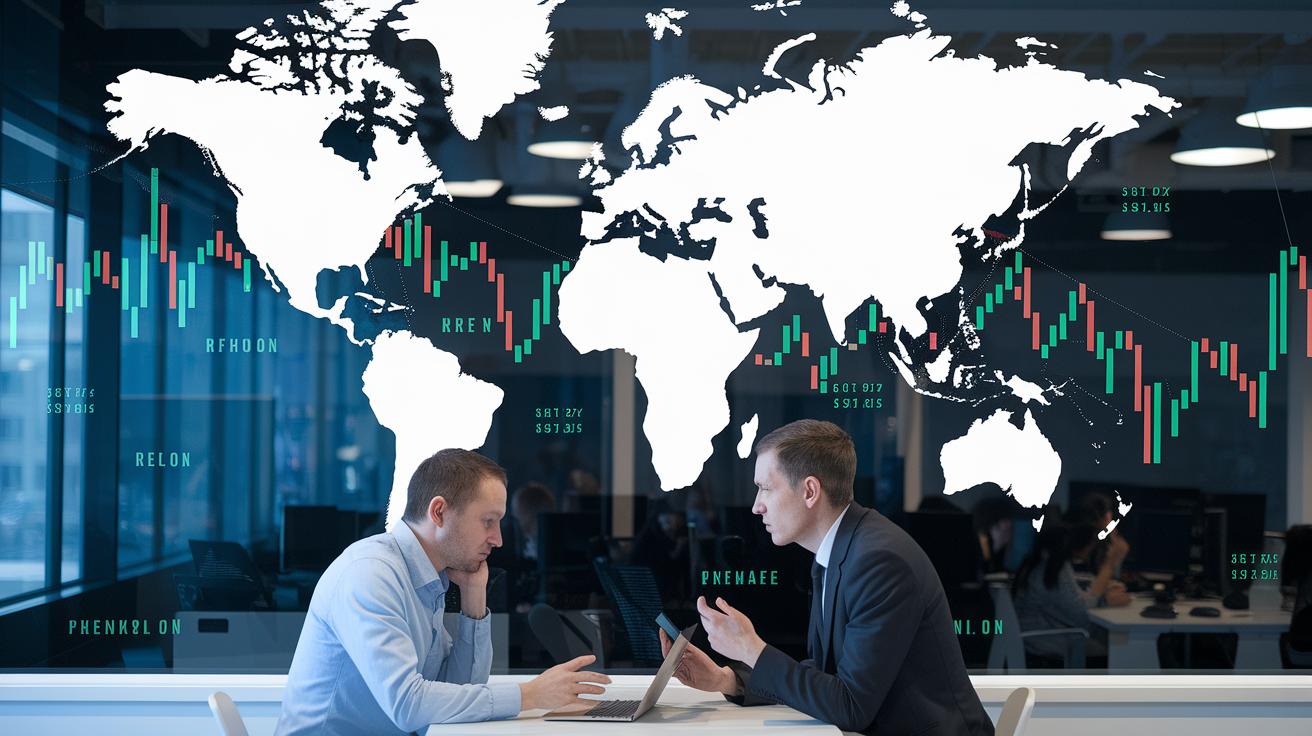
Across the globe, people are using NFTs in very different ways. In some regions, digital assets are catching on fast, while in other places, the excitement for cross-border token trade is just starting to grow. It’s like each market is dancing to its own tune, reacting to local needs and special conditions.
In areas with long-established digital markets, things are moving steadily. But in other, less-known regions, fresh players are joining the scene at an exciting clip. It’s fun to see how local differences shape the big picture of digital asset exchanges. Have you ever noticed how one small spark can light up an entire market?
| Region | NFT Market Growth Rate | Unique Buyers |
|---|---|---|
| North America | +12% | 1.2 M |
| Europe | +8% | 950 K |
| Asia-Pacific | +15% | 1.5 M |
| Latin America | +10% | 600 K |
North America and Europe are showing steady climbs. Meanwhile, Asia-Pacific’s strong 15% growth points to a big burst of enthusiasm. Even Latin America, with a 10% rate, hints at bright new opportunities. In short, global NFT trends are not one-size-fits-all, they change as each region finds its own way to shine.
Regulatory Frameworks and Challenges in Global NFT Markets
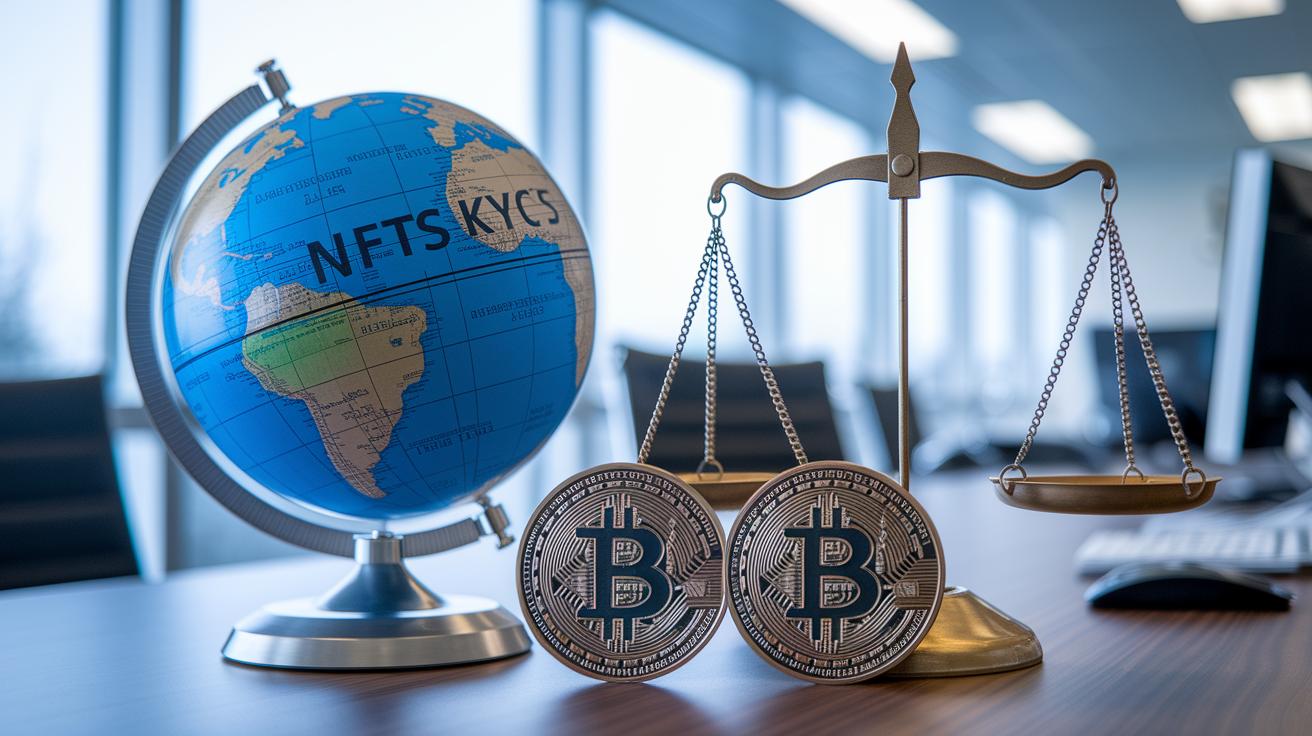
Token rules differ a lot around the world, making it tough for anyone involved in cross-border NFT trades. In some countries, the rules are clear and strict, while in others they’re more vague and loosely enforced. This mix of laws creates an uneven playfield and means businesses have to stay flexible when entering new markets. Did you know that in Japan even a small change in digital asset guidelines has led to big shifts in trading behavior?
Then there’s the added challenge of KYC (Know Your Customer), AML (Anti-Money Laundering), and data-protection rules. Many places now require businesses to verify user identities and use solid systems to stop money laundering. This forces companies to invest in strict in-house controls even while they’re trying to grow. Imagine a market where just one check on customer information can be the difference between a safe trade and a costly fine.
Companies are also rethinking their strategies to meet these hurdles. Many are trying out new ways that blend smart contracts (self-executing digital agreements) with layers of built-in compliance to help smooth over differences in laws. This fresh approach is key as global digital markets deal with rising security concerns and tighter rules. Every shift in the rules makes everyone rethink the best way to balance risk while keeping transactions running smoothly.
Cultural Influences on the Global NFT Art Scene
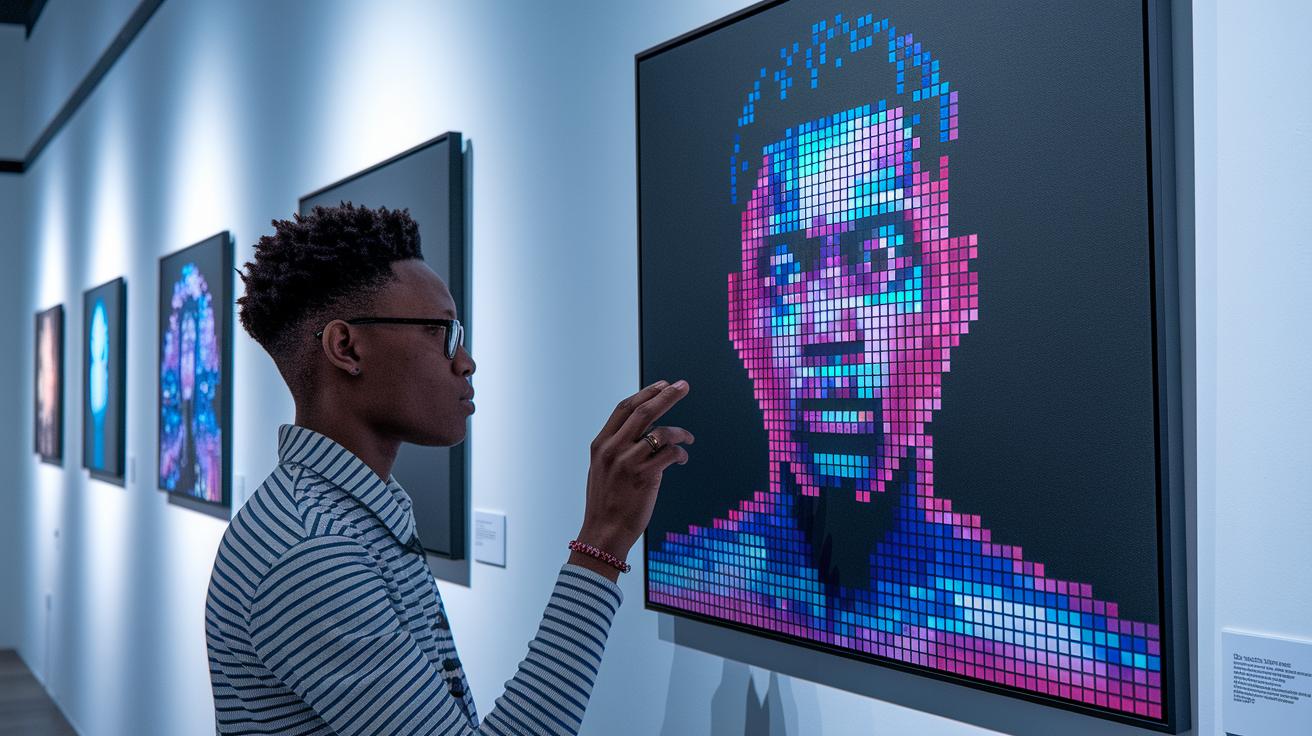
Global trends have opened up a whole new world for digital artists. Today, an artist in Africa can share their work with people in Asia, Europe, and beyond in an instant. This mix of different art styles and cultural voices makes NFT art a rich blend of stories that speak to a global audience.
Digital art exhibits, powered by blockchain (a secure digital record system), are boosting this creative mix even more. These online shows offer a safe space where artists and collectors can chat, swap ideas, and celebrate a range of artistic expressions in real time. Have you ever noticed how a digital event can connect a Japanese calligrapher with a Latin American muralist? It’s these kinds of connections that make the NFT art scene so exciting.
| Key Trend |
|---|
| Cross-border artist collaborations on major NFT platforms |
| Regional themes driving collector interest |
| Blockchain galleries hosting global virtual events |
| Cultural festivals integrating NFT showcases |
| Multilingual smart contracts reaching diverse audiences |
Blockchain Network Integration Driving NFT Globalization

Ethereum leads the NFT world with an impressive weekly trade volume of $35 million. This strong performance shows why it remains the go-to platform for digital token deals. At the same time, newer networks like Polygon and BNB Chain are quickly gaining traction, which builds trust among investors and pushes the market toward smoother, cross-chain transactions. For a closer look at these trends, visit NFT Blockchain Platforms. In short, evolving token dynamics are resetting market expectations and sparking the embrace of innovative blockchain solutions.
Digital art platforms have jumped on this momentum to draw in creators from every corner of the globe. Decentralized art sites let artists bypass traditional middlemen, making it easier to share their work with international audiences. This fresh approach to art transactions not only streamlines the process but also builds supportive, collaborative communities. It’s a promising step toward a more inclusive digital asset market where artists and collectors can meet without borders.
Yet, some roadblocks remain. Making different blockchain systems work together is still a challenge. Experts are hard at work testing and refining cross-chain methods that keep things secure and efficient while linking diverse networks. These breakthrough solutions are set to bring the digital market even closer together. Thanks to this ongoing effort, global access to NFTs is expanding, promising smoother and more connected digital asset exchanges.
Economic Impacts of Globalized NFT Markets

Global forces have clearly affected NFT trading volumes and liquidity trends. When crypto values dip, trading tokens becomes trickier, pushing platforms to adjust their tools. This change urges investors to keep an eye on sudden market shifts, like noticing when a steady stream of transactions suddenly slows down.
Even when the market gets rough, some collections still stand strong. For instance, the Courtyard NFT clocked $14.9 million in trading even after a 15% fall in one week. Well-known series like CryptoPunks and DKTNFT have held their ground despite the broader downturn. It goes to show that while many tokens struggle amid market pressure, a few manage to keep investor trust. Curious about why these collections remain resilient? A closer look at NFT Investing trends might clear things up.
Trading platforms are also evolving to keep up with today's fast-changing crypto world. They are introducing new features to make trading safer and simpler while meeting fresh regulatory and liquidity needs. These improvements help smooth out market swings and offer a more balanced, confident approach for NFT investors.
Strategic Outlook: Future Projections for the Global NFT Market

NFTs have grown far beyond just digital art. Now, they're powering gaming tools that let players experience new game features, digital identity systems that quickly verify who you are, and even ways to own pieces of real-world items. This change shows that NFTs are becoming useful tools rather than just cool pictures you collect. Imagine unlocking special in-game features instantly with an NFT as your key!
Big financial institutions and companies are now seeing that NFTs offer more than a quick profit. As these established players add NFTs to their portfolios, they also bring along tighter security and better data protection. This shift takes the market away from fast flips and risky bets toward strategies that support steady, long-term growth.
Market predictions hint at a global scene where style meets function. New opportunities are emerging as rules get stricter and platforms improve their security and connections across borders. Projects that offer solid economic value are on the rise. For more insights into these trends, check out "NFT Investment Strategies" at https://nftcellar.net?p=983.
Final Words
In the action, we saw global sales, regional trends, and the unique impact of regulatory shifts on digital assets. The discussion brought to light how cross-border digital trade and blockchain network integration shape investment choices. Data and insights collectively underscore nft market globalization effects while revealing emerging opportunities and prudent risk management strategies. The market's evolution paints a promising picture for investors ready to embrace these changes. Enjoy the ride as digital asset landscapes continue to transform with measurable growth and inspiring trends.
FAQ
How has NFT market globalization affected the environment and evolved by 2022?
The NFT market globalization effects have impacted environmental resource use and energy demand. In 2022, changes in digital asset trading and broader crypto integration spurred discussions on sustainable practices.
What are the current NFT market trends and future projections for 2025?
The current NFT market trend points to steady digital asset growth, while 2025 projections lean toward utility-focused uses and increased institutional interest, shifting the focus from mere art to real-world applications.
What defines an NFT marketplace?
An NFT marketplace is an online platform where users buy, sell, and trade unique digital assets. These sites promote secure transactions and act as community hubs for collectors and creators.
What is OpenSea in the NFT space?
OpenSea is a leading digital platform for NFTs, offering a broad range of unique assets. It provides a user-friendly space where collectors and artists engage in secure and transparent digital trades.
What is the most expensive NFT known so far?
The most expensive NFT is a rare digital artwork that has fetched record prices due to its scarcity and the fame of its creator. Its high value underscores strong collector demand.
In which industry are NFTs having the biggest impact?
NFTs are having a notable impact within the art and digital collectibles industry. They also influence music, gaming, and virtual experiences, reshaping how creative content is owned and exchanged.
Why did the NFT market collapse?
The NFT market collapse stemmed from falling cryptocurrency values, market saturation, and regulatory uncertainties. These factors combined to lower investor confidence and reduce trading volumes.
Are NFTs deemed beneficial for the economy?
NFTs benefit the economy by creating new digital markets and investment opportunities, while also driving technological innovation. Nevertheless, issues like environmental impact and market instability continue to spark debate.
What is identified as the biggest problem with NFTs?
The biggest problem with NFTs is market volatility. Additional challenges include environmental concerns and regulatory issues, which together complicate long-term stability in digital asset trading.