Ever wondered if NFT marketplaces are really worth checking out? Think of them like a digital treasure chest, where each artwork has its own unique charm much like a rare comic book treasured by fans.
These platforms connect buyers and sellers for safe, one-of-a-kind trades that change how we shop online. In this post, we’ll explore some of the top NFT sites, dive into what sets them apart, and show you how they work like virtual galleries, each pieces telling its own story.
Stick around to find out which marketplaces offer the smoothest ride for your digital trading adventures.
Understanding NFT Marketplaces: Key Platforms and Features
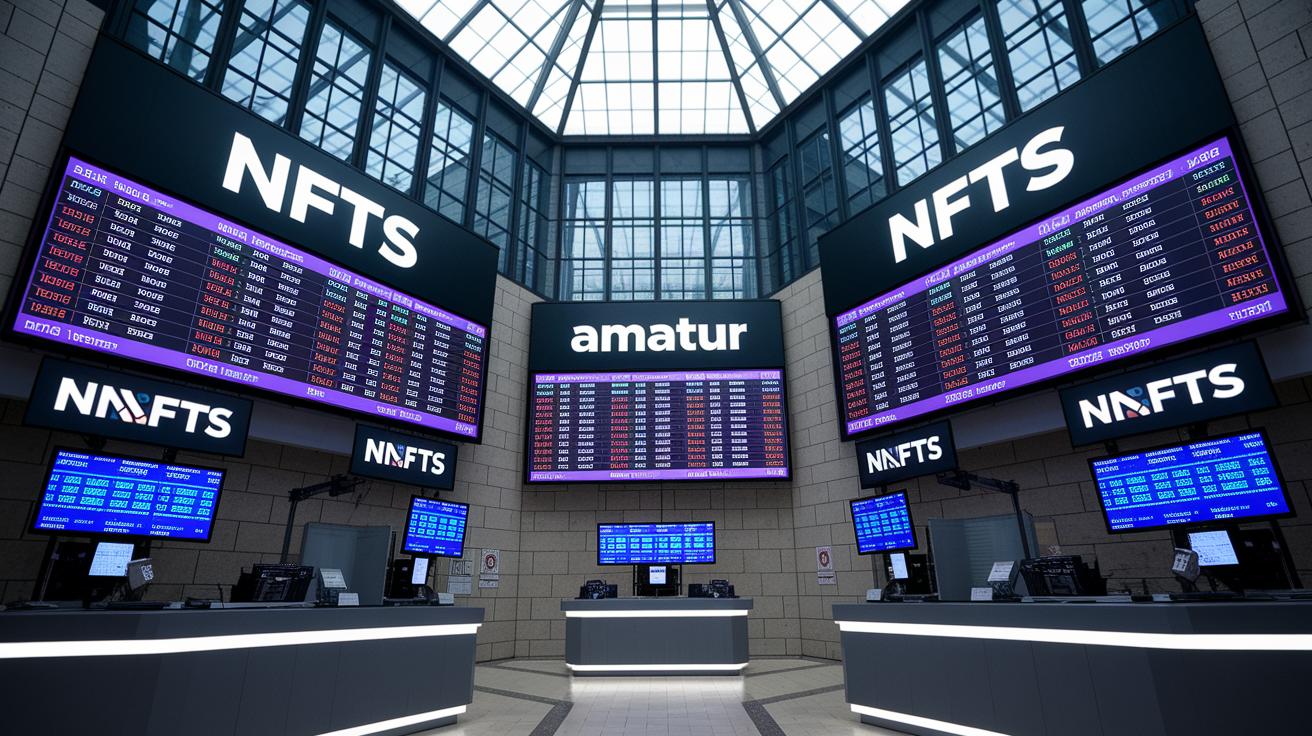
NFT marketplaces are online hubs where you can buy, sell, and trade one-of-a-kind digital items like artwork, tunes, or even virtual land. They’re not like your usual sites that offer mass-produced goods, they deal with unique tokens that give each item its own special value. Just picture owning a digital art piece that no one else can copy, kind of like having the only original sketch from your favorite cartoonist.
There are two main types of NFT platforms. Centralized marketplaces work like a well-organized store with quick transactions and a polished look, making it simple for anyone new to the scene. On the other hand, decentralized platforms let buyers and sellers trade directly on a blockchain, which is a tech tool that records transactions securely. These platforms often have lower fees and are a big part of the market’s evolution.
Many of these sites also provide handy tools for minting, which means you can create your own NFTs. With these interfaces, you just upload your digital file and set up royalty fees through smart contracts, which are automatic digital agreements. This makes trading more secure because every asset’s history is clearly recorded, giving both buyers and creators peace of mind.
All in all, NFT marketplaces offer a complete service by not only helping you trade but also by authenticating and securing digital assets, paving the way for a fresh and exciting kind of online commerce.
Comparing Top NFT Marketplaces: Platform Reviews and Comparisons

OpenSea is a top choice for many because it is easy to use and even lets you mint without gas fees. It offers a broad range of items, from digital art to virtual collectibles, so there’s plenty to pick from. Rarible, on the other hand, supports transactions on multiple blockchains and even has a special token that lets users help govern the platform. But, its interface might seem a bit tricky sometimes.
Magic Eden is another strong option. It works with Solana and Polygon, has low fees, and boasts a friendly group of users who value its careful selection of items. Meanwhile, SuperRare and Foundation focus on high-end art, and you often need an invite to buy pieces from well-known artists. Blur and LooksRare draw users with low or no fees and rewards for those who stake their tokens.
Each of these platforms has its own style, fee systems, and supported blockchains. For example, if you’re looking up details on OpenSea or checking out Magic Eden reviews, comparing them side by side can really help you decide which one fits your trading style.
| Platform | Blockchain(s) Supported | Fee Structure | Unique Features |
|---|---|---|---|
| OpenSea | Ethereum | 2.5% per sale | Gas-free minting, wide asset variety |
| Rarible | Ethereum & Cross-chain | Varies by sale | User-governance token, innovative but complex UI |
| Magic Eden | Solana, Polygon | Low fees | Strong community curation |
| SuperRare & Foundation | Ethereum | Premium pricing model | Invite-only, highly curated art collections |
| Blur & LooksRare | Ethereum | Zero or reduced platform fees | Staker rewards, performance incentives |
This guide is here to help you sort through your options. By looking closely at how each marketplace works, like what blockchain it uses and the fees it charges, you can pick the best spot for your NFT trades. Isn’t it neat how comparing a few key details can make your trading strategy a lot clearer?
NFT Marketplace Fee Structures and Commission Policies

NFT marketplaces usually sort fees into three main groups. First up, there’s the creator signup fee, a small cost you might pay to get started selling your digital art. Then, there are transaction or listing fees, typically between 1% and 3% per sale. And lastly, you have blockchain gas fees, which are like paying for the fuel needed to process your transaction on the digital ledger. It’s kind of like how adding extra toppings to your pizza can bump up the price!
Some platforms make it easier for new artists by offering gas-free or deferred-fee minting. This means you might not see any fees when you first list your NFT, helping you manage your budget while you try your hand at selling digital goods.
Smart contracts, automated agreements that run on the digital ledger, handle secondary-sale royalties. Every time your digital asset is resold, you automatically earn a set percentage. This system is designed to keep giving back to you as your work changes hands.
Then, there are marketplaces with premium services or membership tiers. These may require a monthly or annual fee in exchange for perks like exclusive drops and other benefits. By getting to know these fee structures, you can fine-tune your listing strategy to boost your returns while keeping costs in check.
Security and Smart Contract Measures in NFT Marketplaces

NFT marketplaces use smart contracts that work like digital agreements, automatically handling royalty payments and enforcing transfer rules without any manual work. These contracts get a thorough check-up to catch any coding issues, a bit like making sure every piece in a puzzle fits just right. Imagine each time an NFT is sold, part of the resale fee is sent back to the creator automatically, it’s that simple and reliable.
To make sure an NFT is genuine, blockchain records and contract details are used to verify every little step along the way. Fraud detection systems are always on the lookout for anything odd, like fake listings or wash trading, ensuring that the trading space stays clean and trustworthy. Seller safety steps, like KYC and AML checks, help keep everyone accountable while also building trust among users.
For buyers, extra safety measures like data encryption and two-factor authentication add another layer of security, protecting personal information even when transaction details are publicly recorded. This combination of strict rules and smart technology means both buyers and sellers can trade NFTs with real confidence, knowing that smart contract checks and constant monitoring are hard at work to protect their interests.
In short, blending automated security with careful manual checks creates a secure foundation in every NFT marketplace.
NFT Marketplace User Guide: How to Buy, Sell, and Mint NFTs

This guide is made for anyone curious about NFTs, whether you're just starting out or already know your way around. We'll walk you through setting up your account, connecting your crypto wallet, and using the marketplace on both mobile and desktop.
-
Create and fund your crypto wallet
Pick a wallet that fits your needs, and then add funds to get started. For example, you might go with MetaMask and transfer some crypto from your bank. It’s like filling up your digital purse so you can start trading. -
Choose and connect to your NFT marketplace
Find a marketplace that matches your trading style and goals. Once you decide, hook your funded wallet to it. Imagine your wallet linking up smoothly with the site, whether you're checking it out on your phone or computer. -
Explore and purchase an NFT
Have fun browsing what’s available by filtering by category or price. You can either buy at a set price or jump into an auction. Picture yourself clicking “Buy Now” to get that cool, limited-edition digital collectible. -
Complete the purchase
If you choose a fixed-price NFT, review the details and confirm your payment. It's like finalizing a deal where your crypto wallet takes care of the rest, making the purchase simple and swift. -
Mint your own NFT
Want to create something unique? Upload your digital file, add a catchy title and description, set a royalty fee, and pick a token standard (like ERC-721 or ERC-1155, which are just common types). Then, confirm your gas or payment details, and your digital file becomes a tradable asset backed by blockchain technology. -
Optimize your listing for sale
Planning to sell? Make sure your listing has clear details and a competitive starting price. Whether you're selling at a fixed price or through an auction, a well-prepared listing can help draw in more buyers.
In short, this step-by-step guide is here to make your journey in the NFT marketplace clear and approachable. Follow these simple steps, and you'll soon be exploring the exciting world of digital assets with confidence.
Future Trends and Growth Strategies in NFT Marketplaces

NFT marketplaces are gearing up for a lively future. Lots of platforms are now switching to cross-chain systems that let you trade without fees – think of scanning your mobile app and instantly snagging token rewards, much like Blur’s rewards. Plus, using Layer-2 solutions and networks like Polygon and Solana lowers fees and speeds up transactions, making trading smoother and easier to scale.
We’re also seeing fractional ownership and community-run DAOs change the way art and collectibles are shared. Niche marketplaces for things like digital art are growing, as collectors look for trusted spaces. Imagine a new digital art marketplace where several people can share a high-value piece – it’s an exciting way to bring more folks into the art scene.
And don’t forget about social media integration and mobile-first designs. Platforms are blending trading with your social feeds so you can share, engage, and discover NFTs more easily. At the same time, evolving token reward systems and onchain governance let users help shape the future. All these moves are paving the way for a more interactive and scalable world of NFT trading and digital asset exchanges.
Final Words
In the action, we covered how the nft marketplace works, from understanding key platforms and fee structures to exploring user guides and crucial security measures. We also reviewed top platform features and highlighted emerging trends that could shape your future investments. Each section offered practical tips to help you dive into digital asset trading with confidence. The insights shared here aim to steer you toward smart decisions and a more balanced portfolio. Keep your eyes open for new opportunities, and enjoy the thrill of the evolving market.
FAQ
Q: What is an NFT marketplace?
A: The NFT marketplace is a digital platform where you can buy, sell, or trade unique digital tokens representing art, collectibles, and more. Blockchain technology helps verify each transaction’s authenticity.
Q: Which NFT marketplaces are popular and highly ranked?
A: The term “popular NFT marketplaces” often includes platforms like OpenSea, Rarible, Coinbase, Binance’s NFT section, Blockchain.com, and Nifty Gateway Studio, offering various features and fee structures.
Q: Is there a consolidated list or ranking of the best NFT marketplaces?
A: A consolidated list often ranks platforms such as OpenSea, Polygon-based platforms, and others, helping users quickly spot marketplaces with user-friendly interfaces and secure transactions.
Q: Which NFT marketplace is best for beginners?
A: The best NFT marketplace for beginners usually features an intuitive design, clear guidance, and low fees. Many newcomers start with options like OpenSea or Select Polygon marketplaces for a smoother experience.
Q: How much is 1 NFT to a dollar?
A: An NFT’s dollar value can vary widely depending on its creator, rarity, demand, and current market trends. Prices change rapidly, so each NFT might fetch a very different amount.
Q: Are NFTs still worth anything today?
A: NFTs remain valuable for many collectors and investors. Their worth depends on factors such as uniqueness, creator reputation, and community interest, with some tokens appreciating dramatically over time.
Q: Is it legal to buy and sell NFTs?
A: Buying and selling NFTs are legal in most areas, but they must follow local regulations and guidelines. Users should verify the rules in their region before engaging in NFT transactions.