Have you ever noticed that some NFT buyers seem to hit the jackpot while others get left behind? It might sound confusing, but once you learn how to check out an NFT collection properly, things become clearer. Look for simple signals like how rare the NFT is, the quality of its art, and the strength of its community. These clues help you build a solid plan that protects your investments.
Step by step, this approach turns wild guesses into a smart strategy. It’s like trading random shots for a well-thought-out game plan. And really, isn’t it better to feel confident about where you put your money?
how to assess nft collections spark smart decisions
When you're checking out NFT collections, having a clear plan can really make a difference. Whether you’re new to collecting or have been in the game a while, breaking down the process helps you make smarter choices without getting swept up in the buzz.
A step-by-step review cuts out the guesswork. It lets you focus on key elements like rarity and community support. This careful look means you won’t jump in because of market hype, and it keeps your portfolio safer when things get bumpy.
Here’s a simple way to get started:
- Set your goals and know your limits – Decide if you’re after long-term growth or quick gains, and be clear on how much risk you can handle.
- Check for uniqueness and quality – Look for NFTs with special traits and standout art. Think of it like picking ingredients for your favorite recipe.
- Dive into market data – Use tools to track trends like floor prices and trading volumes. This gives you a snapshot of how the market is moving.
- See how active the community is – A strong, engaged community and a creator with a solid track record can mean lasting interest and value.
- Make sure it’s authentic – Verify that the smart contracts (basically digital agreements) are secure, and look into the NFT’s history.
- Use smart tools and AI models – Let digital appraisal tools help you get a balanced view, mixing high-tech insight with common sense.
Following these steps balances your personal goals with real market data. It’s like putting together a well-rounded meal, you get all the flavors and nutrients, which makes your investing strategy both smart and sustainable.
Evaluating Rarity and Art Quality in NFT Collections
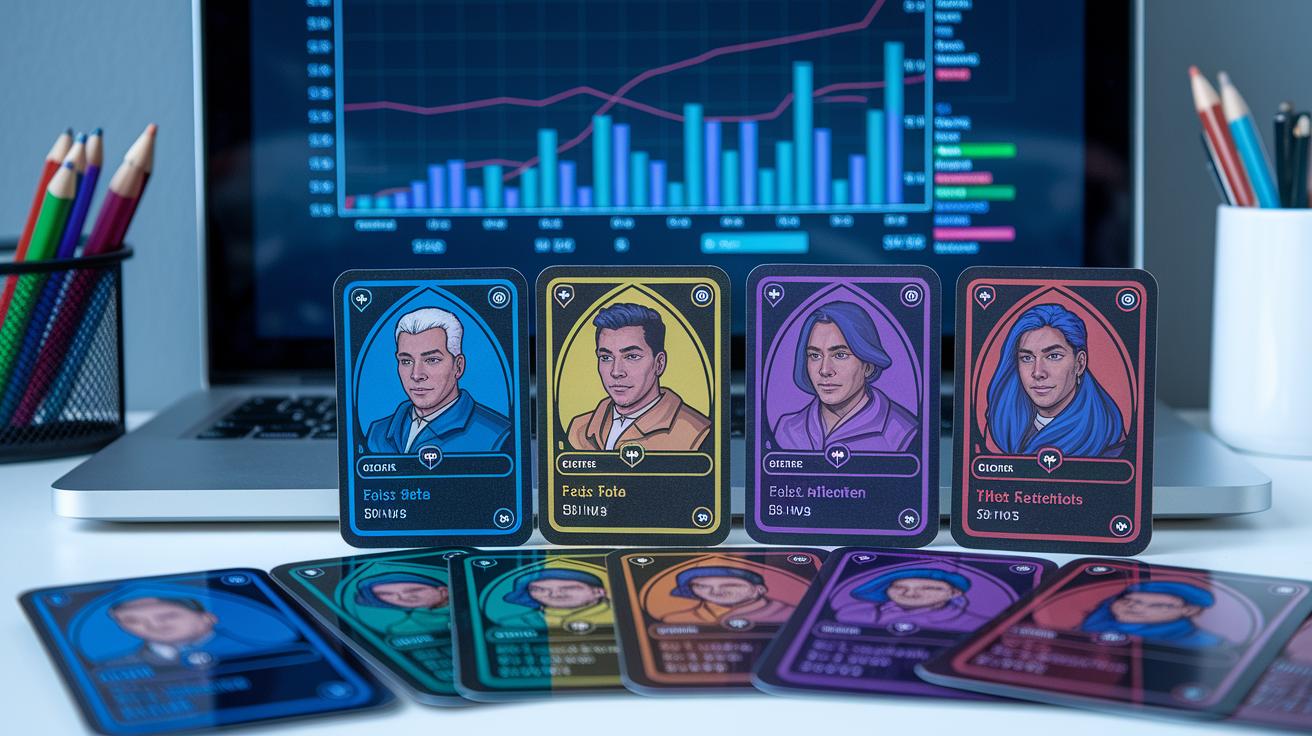
Rarity scores let you see how special each NFT is by looking at the total number available and any unique features it has. Art quality, on the other hand, is all about the design, beauty, and creative flair of the piece. Often, the rarer an NFT is, the more value it might have, and artwork that really stands out can draw in more collectors.
| Quality Aspect | Evaluation Criteria |
|---|---|
| Scarcity score based on total supply and unique traits | Looks at limited editions and rare features |
| Artist track record and previous sales | Checks the creator’s past success and reputation |
| Visual uniqueness and creative technique | Focuses on original design elements and methods that stand out |
| Provenance record (chain of ownership) | Verifies the NFT’s history and authenticity |
| Metadata completeness and integrity | Examines how well the details about the NFT are documented and verified |
When you compare different collections, it’s important to balance rarity with art quality. A high rarity score might not mean much if the design isn’t appealing or if the artist isn’t well known. Think about your own investment goals, and watch the trends in the community. This careful approach, from checking out the creative work to confirming the NFT’s verified history, helps you choose digital collectibles with the best potential for the future.
Measuring Community Engagement and Creator Reputation
When a project shows a lively community and a reputable creator, it naturally draws more buyers. Seeing a group of passionate collectors and responsive creators makes people feel safer investing because they trust the project. A strong community not only stokes more trading but also hints that the project will be around for the long haul, leading to steadier price moves and better chances for resale.
Simple numbers like active Discord members, the buzz on Twitter, and participation in community votes really tell you how strong the group is. For example, when you notice plenty of daily chats on Discord or a lot of tweets about the project, it means collectors are actively discussing, supporting, and even sharing ideas about it. These signals help you see if the group is energetic and truly involved in shaping the project.
It's just as important to check on the creator's background. Look into their past projects, successes, and how open the team is about sharing details. If the team has a solid history with successful NFT projects and clear online profiles, that's a good sign. But be cautious if you notice a sudden drop in community activity or if the developers keep their identities hidden. These clues can help you decide if the collection is worth your time and investment.
Analyzing Market Data and Historical Sales Trends
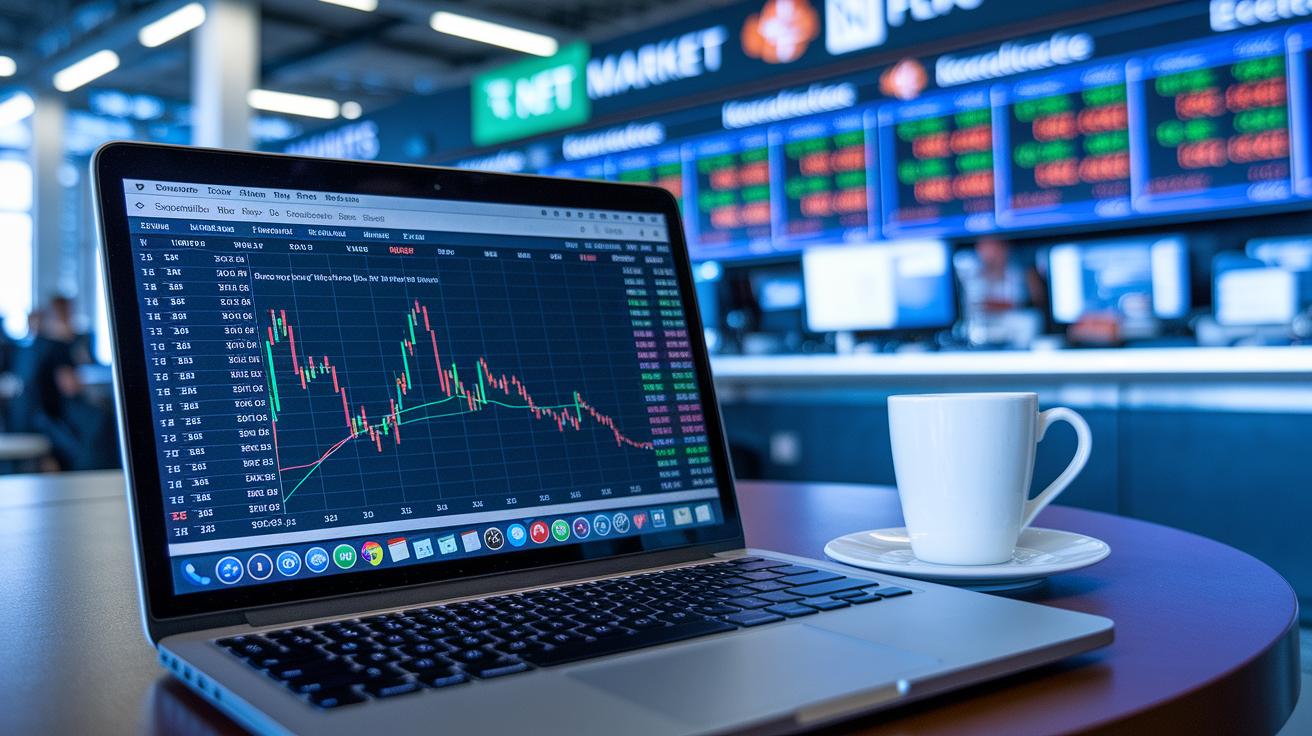
Keeping an eye on the floor price and trading volume over time is crucial for figuring out how an NFT collection is doing. These numbers show whether a digital asset is picking up momentum or if it's starting to slide.
There are handy tools out there that plot price floors, average sale prices, and liquidity ratios. These give you a clear, visual picture of market trends. In fact, many analytics platforms offer charts that track daily floor prices and calculate moving averages for every sale made in a collection. They even show liquidity ratios, which help you see if there's enough trading action to keep prices steady. By looking at these charts alongside historical sales data, you can spot trends and make informed guesses about where the market might be heading.
When you notice that trading volume is steady or growing while the floor price holds steady, it usually means more people are getting interested in that collection. This can be a good sign that the collection has long-term appeal.
On the flip side, be cautious if you spot sudden drops in floor price or quick surges in trading volume that don't match the overall market pattern. These could be warning signs of price manipulation or a temporary flurry of activity that might leave you with losses later. Keeping a close watch on these details can help you tweak your strategies and focus on collections that show consistent growth.
Tools and AI Models for NFT Collection Valuation
Automated estimators are super-helpful. They quickly change messy market data into clear, digestible insights. This saves you time and cuts down on guesswork by mixing up-to-date price feeds with past trends to show you what’s happening today, even if old methods might miss some details.
A lot of in-house valuation tools use machine learning models built on huge amounts of past sales data. These models look at a collection’s performance history, sales numbers, and price changes to spot even the small market patterns. By going through all that data, they give you a fuller picture of an NFT collection’s potential value. This helps both newbies and more experienced collectors decide when it’s smart to buy or hold their digital assets.
Some providers also mix in computer vision analysis and on-chain methods. This means they check out unique visual details and transaction records to offer a deeper view than just the usual floor price metrics.
Choosing tools that work across multiple blockchains and top collections means you get reliable, cross-network valuations. That strong, well-rounded view can help you make smarter decisions in a market that never stops moving.
Managing Risk and Conducting Due Diligence in NFT Investments

When you dive into NFT investments, doing your homework is a must. Think of it as your first line of protection against fraud and scams that could hurt your wallet. By taking a close look at important documents and a project's background, you can steer clear of hidden troubles that might cost you later.
Here are some steps to follow:
- Check audit reports for smart contracts and review the on-chain code.
- Look into the blockchain's history and ensure that the metadata is solid.
- Make sure you understand how royalties and licensing work.
- Read through the legal documents and terms of service on the platform.
- Stay alert for fraud patterns and phishing scams that are common in this space.
It's also smart to set clear rules for managing risk. For instance, decide on your exit points, those moments when you’ll pull out if the market takes an unexpected turn. Spreading your investments across different collections not only helps manage risk but also gives you a range of learning experiences in the digital market. Regular reviews of your portfolio let you track how your pieces are doing, so you can tweak your strategy when needed. Keeping an eye on market shifts and using solid risk management techniques ensures you can act quickly if things start to look shaky in the NFT world.
Final Words
In the action, this post broke down clear steps for smart digital investments. We covered setting your goals and risk limits, checking rarity and art quality, reviewing market data and community strength, and using digital tools for accurate values.
Following these insights on how to assess nft collections gives you a simple framework to make measured decisions. Keep an eye on trends, stay flexible, and let your informed strategies lead you to positive outcomes.
FAQ
How to assess NFT collections on Reddit?
Assessing NFT collections on Reddit means checking community discussions, shared price trends, and rarity insights. This approach helps gauge investor sentiment and overall collection quality.
What does NFT price history reflect?
NFT price history shows past trading data that highlights trends and market shifts over time. It helps investors understand volatility and demand for specific digital assets.
How is NFT chart analysis useful?
NFT chart analysis breaks down trading volume, price floors, and market fluctuations. This detailed look helps investors decide when to buy or sell based on visible trends.
What is OpenSea in the NFT ecosystem?
OpenSea is a widely used marketplace for digital assets. It allows collectors to buy, sell, and explore NFT collections with real-time market data.
How does an NFT price chart help investors?
An NFT price chart visually maps price movements over time. This tool aids investors in spotting key trends and making timely buying or selling decisions.
What happens during an NFT price crash?
An NFT price crash shows a rapid fall in floor prices. This steep drop indicates shifts in demand and can signal caution for potential buyers.
How does an NFT value estimator work?
An NFT value estimator calculates current worth using historical sales, rarity scores, and market trends. It offers a quick snapshot of a digital asset’s potential value.
How is the Bored Ape NFT price determined?
The Bored Ape NFT price is set by real-time market data, collector demand, and trading history. This price often reflects the asset’s popularity and exclusivity.
How many NFTs should be in a collection?
NFT collections vary in size; many hold thousands of items, while some are limited to a few hundred. The number influences rarity and can shape collector interest.
How can one see all NFTs in a collection?
Viewing all NFTs in a collection is possible by using marketplace filters or exploration tools on sites like OpenSea. These tools display complete listings for easier evaluation.
How does an NFT collection work?
An NFT collection groups digital assets by shared traits or themes, making them easier to compare and trade. This system adds structure to the market and aids investment decisions.
How much is the 69 million NFT worth now?
The current worth of a 69-million-dollar NFT is re-assessed using market trends, recent sales data, and valuation tools. This process updates its value based on the latest market figures.