
Ever thought a clear plan might be your ticket to better crypto profits? Picture having a simple guide that tells you when to make a move, kind of like a trusted recipe for success in a fast-moving game.
Crypto trading strategies help you cut through all the noise. They make it easier to decide when to trade and help you avoid letting emotions take over. In this post, we explore different trading approaches and explain how a solid game plan can raise your gains, even when things get wild in the market.
Strategic Framework for Crypto Trading Strategies

A trading strategy is like your personal game plan, helping you make smarter calls while keeping those wild market swings and impulsive moves in check. Think of it as a roadmap that lays out clear buy and sell rules for your digital assets. For example, you might decide to buy when the price dips 5% below the daily average and sell once it climbs 5% above. This clear plan helps keep your emotions under control so you can stay focused.
There are active strategies, like day trading, swing trading, trend trading, and scalping, that demand constant attention and quick responses to tiny price shifts. These methods are perfect if you’re comfortable watching charts and adjusting your moves on the fly. On the flip side, passive strategies such as buy-and-hold or index investing are more about sticking with your assets for the long haul. Here, you aren’t bothered by every little fluctuation; you’re guided by overall market trends. Picking between these styles really depends on how often you want to trade, how much risk you're willing to take, and the time you can invest.
If you’re a day trader, you’ll be tracking price changes throughout the day to snag fast profits. Meanwhile, a swing trader might hold onto a position for several days to ride a medium-term trend. Trend traders could keep an asset for weeks or even months, basing their decisions on clear signals. And then there are the passive investors who simply hold onto assets, counting on steady growth over time. Imagine having a plan that tells you exactly what to do, almost like following a trusted recipe for success in a fast-paced market. This kind of structure can really help you avoid snap decisions in a volatile crypto world.
Chart Patterns & Technical Analysis in Crypto Trading Strategies

In the world of crypto trading, technical analysis means studying charts to spot patterns that could hint at where prices go next. Traders use these methods with tools like chart patterns, technical indicators, and trading signals to decide when to buy or sell. Imagine seeing a moving average crossover and thinking, "Maybe it's time to jump in before the trend really picks up."
| Indicator Type | Purpose | Example |
|---|---|---|
| Trend Indicators | Show the overall market direction | Moving Averages |
| Momentum Indicators | Track how fast prices are moving | Relative Strength Index (RSI) |
| Volume Indicators | Check the trading volume for confirmation | On-Balance Volume |
| Volatility Indicators | Measure how much prices are changing | Bollinger Bands |
When you're using these indicators during live trading, start with a clear plan that fits your risk comfort and view of the market. For instance, if you see the RSI spiking while the price nears a resistance level, it might be a hint to think about selling. Mixing signals from different tools, like a trend confirmation from moving averages paired with strong volume indicators, can give you a solid cue. This helps you set alerts, choose your entry and exit points, and adjust your positions as market trends shift. One trader even said, "I rely on my moving averages and Bollinger Bands like a friend whispering, 'Now is your time,' when the market looks overextended."
Managing Risk in Crypto Trading Strategies
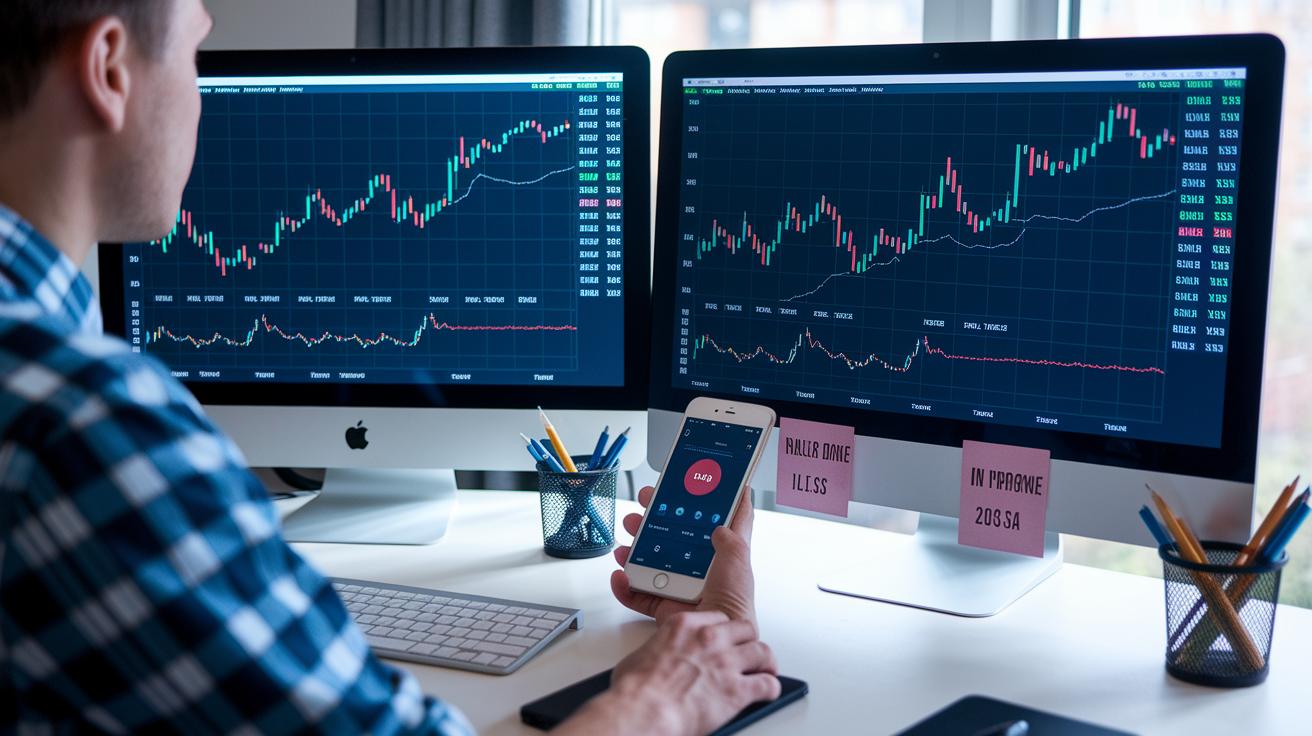
Risk management in crypto trading means setting rules to help keep your money safe while you trade these lively digital assets. Think of it like having a safety net that holds you up before a big fall.
One common trick is using stop-loss orders and managing your position size. Many traders only risk about 1-2% of their total funds on any one trade. With a stop-loss order, you automatically exit a trade if the price drops too far, which helps keep losses small and your overall portfolio steady.
By weaving these strategies into your trading routine, you set them up before you even start a trade, keep an eye on the market, and adjust as needed. This plan not only protects your account during rough patches but also helps you make clearer decisions without letting emotions take over.
Algorithmic Trading & Bot Strategies in Crypto Markets

Automated trading bots rely on computer programs that follow a set of rules for buying and selling. This method can help you aim for better profits while avoiding snap decisions. Some traders use quick trades, like scalping or arbitrage, which means taking advantage of small price differences across markets. For example, you could test an arbitrage plan similar to one shown here (https://nftworthit.com?p=81). Many start with paper trading apps (https://ontheblockchains.com?p=1442) to practice and adjust their strategy safely before risking real money.
Designing Algorithmic Models
When picking a trading model, think about how it has performed in the past and how fast the market moves. Choose a plan that matches your risk comfort and trading style. You might check old charts for trends or look for clear signals that your program can follow. Testing your model with paper trading apps (https://ontheblockchains.com?p=1442) lets you see how it would work in real market conditions without any risk.
Backtesting is a must to prove your model is reliable. Try different market scenarios to ensure your strategy holds up well, whether things are calm or volatile. After running these tests, tweak your settings based on any losses or sudden shifts. A solid backtesting process gives you the confidence that your bot can handle any market mood.
Deploying Crypto Trading Bots
Getting your trading bot connected means securely setting up API keys so it can talk to your chosen exchange without any hiccups. Start with low-risk trades before gradually increasing your exposure as you watch its performance. A smooth connection with your exchange can help avoid trading delays and downtime.
Keeping a close eye on live trades is key. Regularly check performance numbers to catch any odd behavior quickly. Fine-tuning and updating the bot often will keep it ready for market ups and downs.
In short, the best practices for bot trading include choosing a strong model, doing thorough backtesting, ensuring secure connections, and keeping an eye on performance as the market changes.
crypto trading strategies Boost Your Profits
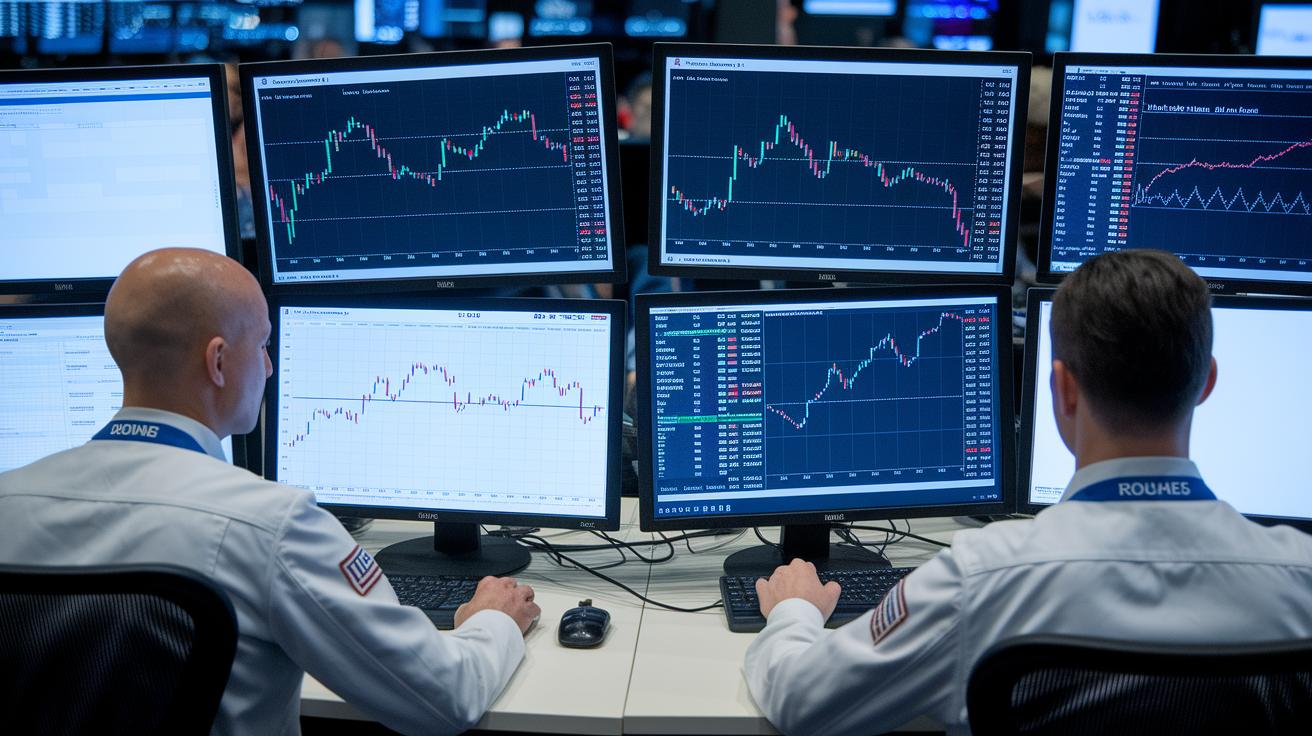
Day trading and swing trading might sound alike at first, but they work very differently when it comes to digital assets. Day trading means buying and selling within a single day to catch small price changes. It’s best suited for someone who can keep an eye on the market and act fast. Swing trading, on the other hand, means holding onto assets for days or even weeks to take advantage of larger, medium-term moves. It doesn’t require nonstop market watching, but both methods need a solid plan and strict rules to decide when to enter or exit a trade.
In day trading, timing really makes all the difference. Traders set up charts to look for clear signals like support and resistance levels and use stop-loss orders to keep losses in check. Quick decisions are key here, spotting a bullish flag or a crossover in moving averages might be the cue to buy low and sell high, or short-sell and cover. It’s like catching the perfect wave: you need to act swiftly and smartly to ride it without wiping out.
Swing trading takes a broader view, aiming for gains over several days or weeks. Here, traders watch for sustained trends and use signals like breakout patterns or shifts in momentum to decide when to make a move. This method is more about planning and less about rapid-fire decisions. By making carefully timed trades, swing traders try to balance risk while waiting for the market to move in their favor.
Learning from Real-World Crypto Trading Strategies

A recent look into Bitcoin trading shows how following market trends can really pay off. One trader rode a long bull run by buying during small dips and selling when the upward push reached its peak. With a solid plan and quick reactions to straightforward signals, he scored triple-digit gains. It just goes to show that keeping a close eye on those market moves can turn trends into steady profits.
Then there's the Ethereum story. When a big protocol upgrade was on the horizon, one trader made a smart move. As talks of lower fees and faster transactions built up excitement, he jumped in just before the big announcement. When positive vibes sent the price soaring, he cashed out with impressive returns. This example reminds us that timing and keeping an ear to the ground on digital asset changes can create great swing trade opportunities.
Another smart strategy came from working across different exchanges. A trader spotted a tiny price gap between two markets, buying low on one and selling higher on the other. While each individual trade didn't make a huge profit, the small wins added up over time. This shows that even minor market differences can be an opportunity when you have a fine-tuned strategy.
Final Words
In the action, we explored a solid framework for managing risks and seizing potential gains in crypto trading strategies. We broke down how active and passive methods help structure decisions in volatile markets. We also walked through technical analysis, chart patterns, and even bot-assisted trading to boost confidence and reduce guesswork.
This discussion reminds us that a clear strategy can make a big difference. Keep refining your approach and remain positive about your digital asset ventures.
FAQ
What are crypto trading strategies PDFs?
The crypto trading strategies PDF refers to downloadable documents outlining frameworks and tips, offering traders a compact guide to understanding market analysis and risk management in digital asset trading.
What is the most profitable crypto trading strategy?
The most profitable crypto trading strategy balances technical analysis with strict risk controls, guiding traders to enter and exit positions methodically to optimize gains while protecting against losses.
How are crypto trading strategies discussed on Reddit?
The crypto trading strategies on Reddit are shared by community members who exchange real-life experiences, practical tips, and alternative methods to help others explore various trading techniques.
What are the best crypto trading strategies?
The best crypto trading strategies combine clear technical indicators with disciplined risk management, providing a structured approach to trading that helps reduce emotional decisions in volatile markets.
What does scalping mean in crypto trading strategies?
The crypto trading strategy known as scalping involves executing fast, small trades that capitalize on brief price changes, using technical signals to target quick profits over short time frames.
What resources exist like crypto trading strategies books or PDFs?
The crypto trading strategies books and PDFs offer educational materials that explain various trading methods, along with detailed frameworks and examples, making them valuable for both new and experienced traders.
What crypto trading strategies are best for beginners?
The crypto trading strategies for beginners focus on simplified techniques, including basic technical analysis and disciplined risk rules, which help new traders build confidence without overexposure to market volatility.
What is the best trading strategy in crypto?
The best trading strategy in crypto depends on individual goals and risk tolerance, often combining technical analysis with clear entry/exit rules to navigate the market effectively.
Can you make $100 a day in crypto trading?
The crypto trading approach that aims for $100 a day can work with disciplined strategy execution and proper risk management, though actual results depend on market trends and individual experience.
What do the 30 day rule and 1% rule in crypto refer to?
The crypto trading 30 day rule often relates to evaluating position durations or tax implications, while the 1% rule advises risking only one percent of your total capital per trade to manage losses.
How do platforms like TradingView, Binance, Webull, eToro, NinjaTrader, and Thinkorswim support crypto trading strategies?
Platforms such as TradingView, Binance, Webull, eToro, NinjaTrader, and Thinkorswim provide robust charting tools, automated features, and trade management options that enhance the implementation and monitoring of various crypto trading strategies.